Getting around Istanbul without a car is relatively easy when you understand how the city’s metro, trams, ferries, buses and walking routes work together. Istanbul has an extensive public transportation network connecting its historic European neighborhoods with modern districts and the Asian side. For most visitors, an Istanbulkart combined with the T1 tram, metro and public ferries provides an affordable and practical way to explore.
However, Istanbul’s geography, steep streets, busy roads and two major airports can make choosing the right transportation confusing. This guide explains nine practical ways to travel around the city, how to pay for journeys, which transport options suit different neighborhoods, and how to avoid unnecessary travel expenses.

Understanding Istanbul Transportation Before Your Trip
Istanbul is best explored through a combination of rail transportation, ferries and walking rather than relying on taxis for every journey. The city stretches across the Bosphorus, with important attractions distributed across different districts on both the European and Asian sides.
Understanding the city’s geography makes transportation decisions much easier.
- Historic Peninsula: Sultanahmet, Hagia Sophia, the Blue Mosque, Grand Bazaar and nearby historic attractions.
- Beyoğlu: Taksim Square, Istiklal Avenue, Galata and Karaköy.
- European waterfront: Eminönü, Beşiktaş and other Bosphorus neighborhoods.
- Asian side: Kadıköy, Üsküdar and surrounding residential and commercial districts.
These areas are connected by metro lines, tramways, buses, commuter trains and ferry services. However, a short distance on a map does not always mean a short journey because bridges, traffic and steep streets can affect travel time.
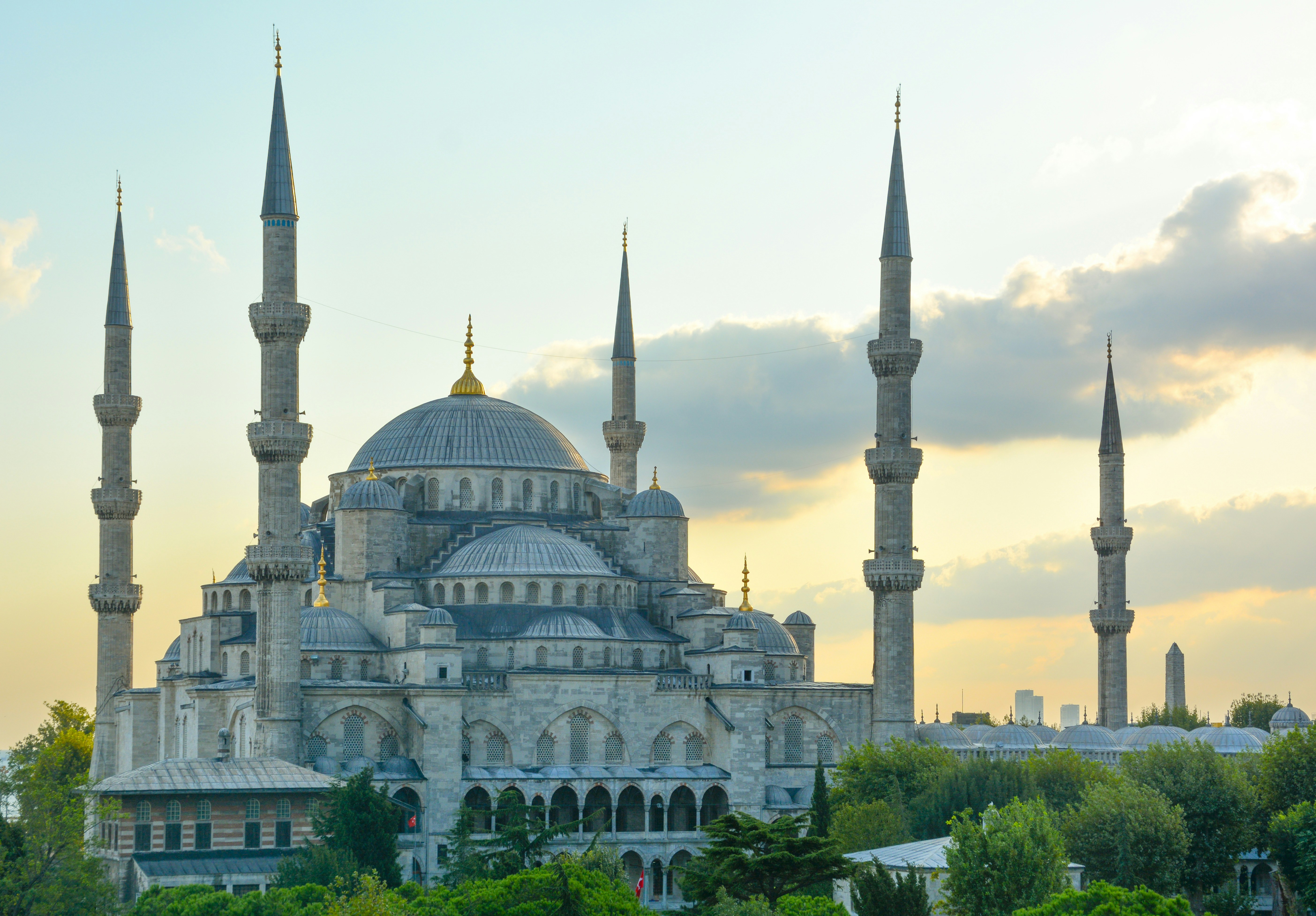
Which transportation option should tourists choose?
The metro and tram are usually the most convenient options for reaching major sightseeing areas, while ferries are particularly useful for crossing between European and Asian neighborhoods.
| Transportation | Best use | Main advantage | Potential drawback |
|---|---|---|---|
| Metro | Longer city journeys | Avoids road traffic | Stations may be far from attractions |
| Tram | Historic sightseeing | Convenient central stops | Can become crowded |
| Ferry | Crossing the Bosphorus | Scenic and practical | Schedules vary by route |
| Marmaray | Europe–Asia connections | Underwater rail connection | Some journeys use distance-based fares |
| Bus | Areas without convenient rail access | Extensive coverage | Traffic delays |
| Funicular | Steep hills | Quick connections | Limited routes |
| Taxi | Door-to-door journeys | Convenience | Traffic and variable fares |
| Walking | Nearby attractions | No transport fare | Hills and uneven streets |
1. Use Istanbulkart for Affordable Public Transportation
Istanbulkart is the most practical payment option for visitors who plan to use public transportation regularly during their stay. This rechargeable contactless card works across much of Istanbul’s public transportation network, including metro, tram, buses, ferries, Marmaray and funicular services.
Instead of purchasing individual tickets for every journey, visitors can load Turkish lira onto the card and tap it at the appropriate readers.

Where can you purchase Istanbulkart?
You can purchase and recharge Istanbulkart through official BELBİM ticket vending machines and authorized sales points around the city. Machines are available at many metro stations, transport hubs and other convenient locations.
Follow these steps:
- Find an official Istanbulkart vending machine.
- Select the card purchase option.
- Follow the on-screen instructions.
- Pay the displayed card fee.
- Load an appropriate amount of travel credit.
- Tap the card at the transport reader when boarding.
How much does Istanbulkart cost?
The official Istanbulkart price list currently displays a standard card purchase price of ₺165. Metro Istanbul lists the standard full-fare journey at ₺46.20 and a single-use electronic ticket at ₺65 on its published fare page. These prices should be checked again before travel because transportation tariffs can change.
| Transport payment | Published price |
|---|---|
| Standard Istanbulkart purchase | ₺165 |
| Standard full-fare journey | ₺46.20 |
| One-use electronic ticket | ₺65 |
These are published reference prices, not a guarantee that every transport journey costs the same. Marmaray, Metrobüs and certain other services use different fare arrangements.
Check the official Istanbulkart prices and limits and Metro Istanbul’s current ticket fares before loading your card.
Pro tip: Do not load more credit than you expect to use. The official visitor information notes that remaining Istanbulkart balance is not refunded when your visit ends.
Visitors may also be able to use supported contactless debit and credit cards, but check your bank’s foreign transaction charges before relying on this option.
2. Travel Across the City Using Istanbul Metro
The Istanbul metro is one of the best transportation choices for covering longer distances without getting caught in road traffic. It connects residential districts, commercial neighborhoods, transport hubs and important visitor areas.

Which metro lines are useful for tourists?
Some of the important Metro Istanbul routes to understand include:
- M2: Useful for connections involving Yenikapı, Şişhane and Taksim.
- M4: Connects Kadıköy with Sabiha Gökçen Airport.
- M1: Serves several important transport connections on the European side.
- M5: Connects Üsküdar with districts further inland on the Asian side.
- M7: Provides connections across several European-side districts.
Metro routes and interchange stations are particularly helpful when you are staying outside the immediate historic center.
When should tourists choose the metro?
Use the metro when you need to:
- Travel between distant neighborhoods.
- Reach a transport interchange.
- Avoid congested city roads.
- Connect with airport transportation.
- Reach destinations that are inconvenient to access by tram.
Check operating hours, station closures and service changes before departing. Late-night services may have different operating arrangements.
For route information, consult the official Metro Istanbul network and service information.
3. Take the T1 Tram for Istanbul’s Historic Attractions
The T1 Kabataş–Bağcılar tram is one of the most useful routes for visitors exploring Istanbul’s historic European-side attractions. Its central stops connect several major sightseeing areas without requiring multiple taxi journeys.

Important T1 tram stops for visitors
The central section of the T1 line is particularly useful for sightseeing.
- Karaköy: Convenient for waterfront connections and Galata access.
- Eminönü: Useful for the Spice Bazaar and ferry terminals.
- Sirkeci: Convenient for the historic waterfront and nearby attractions.
- Gülhane: Useful for Gülhane Park and the Topkapı Palace area.
- Sultanahmet: Close to Hagia Sophia and the Blue Mosque.
- Çemberlitaş: Useful for exploring the historic center.
- Beyazıt–Kapalıçarşı: Convenient for the Grand Bazaar.
How to use the tram efficiently
Plan your sightseeing around nearby stops instead of repeatedly traveling back and forth.
For example, you can start at Sultanahmet, explore its historic landmarks, continue towards the Grand Bazaar, and finish near Eminönü. This creates a more logical route than returning to your hotel between every attraction.
Note: The T1 tram can become very crowded during busy sightseeing periods. Keep your belongings secure, allow extra boarding time and avoid unnecessarily carrying large luggage.
4. Take Public Ferries Across the Bosphorus
Public ferries are one of the most enjoyable and practical ways to travel between Istanbul’s European and Asian sides. They connect major waterfront neighborhoods while offering views of the Bosphorus, historic buildings and the city’s waterfront skyline.

Useful public ferry connections
Some popular ferry connections include:
- Eminönü to Kadıköy.
- Eminönü to Üsküdar.
- Karaköy to Kadıköy.
- Beşiktaş to Üsküdar.
- Beşiktaş to Kadıköy.
Exact routes and departure times depend on the service and timetable. Check the relevant sailing before planning a connection.
Why are ferries useful for tourists?
Ferries can save time when crossing the Bosphorus, particularly when road traffic is heavy. They also allow visitors to explore neighborhoods such as Kadıköy and Üsküdar without making a long road journey.
A practical example is spending the morning around Sultanahmet, traveling towards Eminönü and then taking a ferry to Kadıköy for an afternoon neighborhood visit.
Pro tip: Check the weather and sailing schedule before relying on a ferry for a tight connection. Allow additional time if you have a flight or another reservation.
Use the official Şehir Hatları ferry service to research routes and departure times.
5. Use Marmaray for Convenient Europe–Asia Rail Connections
Marmaray is a commuter railway that connects Istanbul’s European and Asian sides through an undersea rail tunnel beneath the Bosphorus. It is particularly useful when you want to travel between major districts without depending on ferry departures or road traffic.

Which Marmaray stations are useful for visitors?
Important stations for tourist travel include:
- Sirkeci: Useful for the historic European-side center.
- Yenikapı: Important for connections with other transport services.
- Üsküdar: A convenient starting point for exploring the Asian waterfront.
- Ayrılık Çeşmesi: Useful for connecting with the Kadıköy metro network.
- Kazlıçeşme: Useful for some journeys towards the western side of the European network.
When is Marmaray better than a ferry?
Marmaray is useful when you need a predictable rail connection between stations and do not particularly need a waterfront sightseeing experience.
For example, someone traveling from Sirkeci to Üsküdar can compare Marmaray with a public ferry. The best option depends on the station location, departure time, weather and onward journey.
Remember that Marmaray fares can depend on the distance traveled. Check the fare rules and ensure you follow the required exit validation procedure.
6. Use Public Buses to Reach Less-Connected Neighborhoods
Istanbul’s public buses are useful when metro and tram stations do not provide convenient access to your destination. The bus network covers many residential neighborhoods, shopping districts and areas beyond the main tourist center.
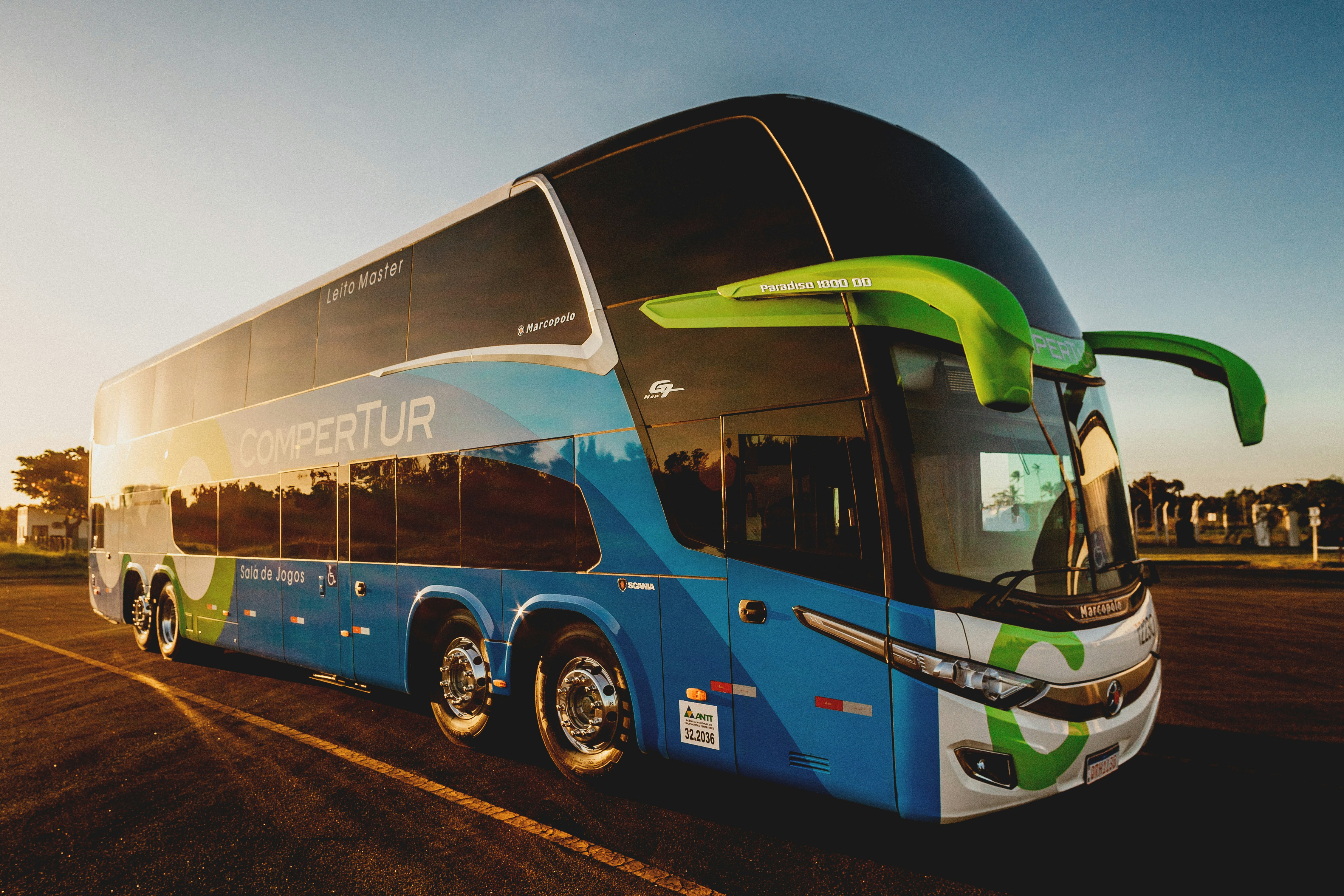
When should visitors use Istanbul buses?
Buses can be useful for:
- Reaching districts away from metro stations.
- Connecting neighborhoods with transport hubs.
- Traveling shorter distances where a direct bus is available.
- Reaching certain attractions and residential areas.
How can you avoid unnecessary bus delays?
Road congestion is an important consideration in Istanbul. A journey that looks short on a map can take considerably longer during busy traffic periods.
Before boarding, check your route, direction and destination stop using a reliable navigation application. Avoid choosing a bus simply because the first available service appears convenient.
For broader public transportation planning, see The Offers Guy’s trains and buses travel resources.
7. Use Funiculars and Cable Cars to Navigate Steep Streets
Funiculars are especially useful in Istanbul because several popular neighborhoods have steep streets and elevation changes. These short rail connections reduce the effort required to move between waterfront areas and higher districts.
Which funicular services should visitors know?
- F1 Kabataş–Taksim: Connects Kabataş with Taksim Square.
- Tünel: Connects Karaköy with the higher Beyoğlu area.
- F4: Connects the Boğaziçi University area with Aşiyan.
Istanbul also has cable car services such as the Eyüp–Pierre Loti connection, which is useful for visitors exploring that part of the city.
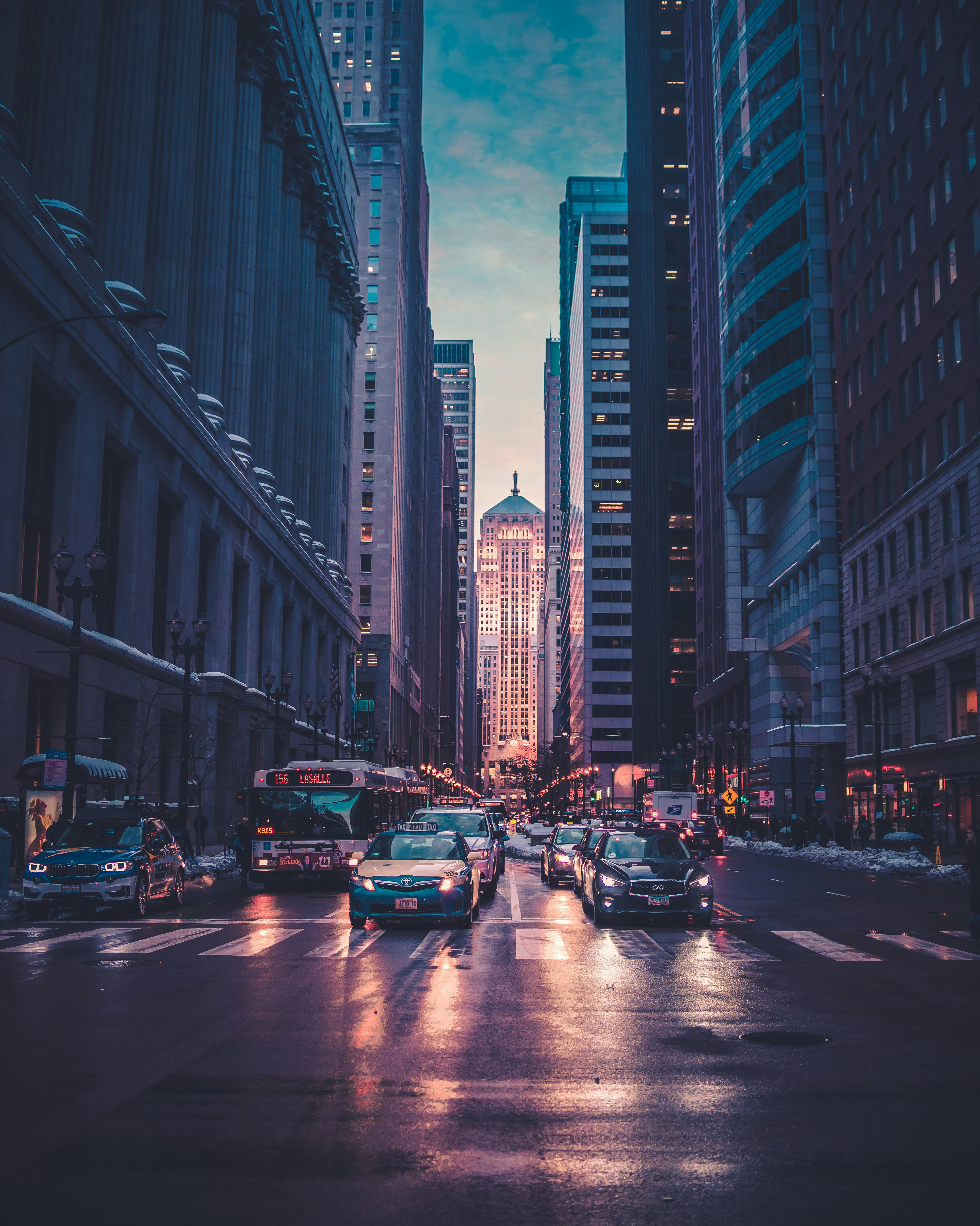
When are funiculars worth using?
Consider the F1 connection when traveling between Kabataş and Taksim. Walking the same steep route can take more effort, particularly with luggage or during hot weather.
Tünel is useful when connecting the waterfront around Karaköy with the higher streets of Beyoğlu.
Check the Metro Istanbul official network for operating services and any temporary interruptions.
8. Use Taxis and Ride-Hailing for Convenient Door-to-Door Travel
Taxis and ride-hailing services are useful when public transportation requires several changes, when traveling with luggage, or when reaching destinations away from convenient stations. They are not always the fastest option because Istanbul experiences substantial road congestion.
When should tourists take a taxi?
Consider a taxi when:
- You are traveling with several bags.
- Your accommodation is far from public transport.
- You are traveling with children or older family members.
- You need to travel during inconvenient transport hours.
- You are traveling in a small group and can divide the fare.
How to avoid common taxi problems
Follow these practical precautions:
- Use a licensed taxi.
- Confirm that the meter is operating or use a clearly priced booking option.
- Check the destination address before departure.
- Keep an eye on the route using a navigation application.
- Ask for a receipt if necessary.
- Confirm the payment method before starting the journey.
Do not assume that a taxi will be cheaper than public transport simply because several people are sharing the vehicle. Traffic, waiting time and the final fare all matter.
Example: A couple traveling from a central hotel to a nearby attraction may find the tram much cheaper. A family of four traveling with large suitcases to accommodation without a nearby station may find a private transfer more convenient.
For more detailed comparisons, read The Offers Guy’s guide to saving money on airport transfers and explore the airport transfers and services section.
9. Walk Around Istanbul’s Historic Neighborhoods
Walking is one of the best ways to explore Istanbul’s compact historic areas because many important landmarks are relatively close together. It also allows you to discover streets, local shops, architecture and neighborhood details that are easy to miss when traveling by vehicle.
Where should visitors explore on foot?
These areas are particularly suitable for walking-based sightseeing:
- Sultanahmet: Hagia Sophia, the Blue Mosque and nearby historic attractions.
- Grand Bazaar surroundings: Historic shopping streets and traditional commercial areas.
- Galata: Architecture, neighborhood streets and waterfront connections.
- Istiklal Avenue: Shopping, historic buildings and pedestrian sightseeing.
- Kadıköy: Markets, waterfront areas and neighborhood streets.
What should you know before walking in Istanbul?
Istanbul is not completely flat. Some neighborhoods have steep inclines, steps, cobbled streets and uneven pavement.
Wear comfortable shoes and avoid planning too many distant walking stops in one day. During hot weather, schedule outdoor sightseeing earlier or later and take breaks when needed.
Travelers with mobility requirements should check station accessibility, lifts and walking conditions before choosing a route.
Getting Around Istanbul from Its Two Major Airports
Istanbul Airport and Sabiha Gökçen Airport serve different parts of the metropolitan area, so the best transfer depends on your arrival airport and accommodation location. Check your airport carefully before booking a transfer because the two airports are not interchangeable.
Getting from Istanbul Airport (IST)
Istanbul Airport is on the European side. Visitors can compare metro services, airport buses, licensed taxis and private transfers depending on their destination.
The M11 metro connection is useful for travelers whose destination can be reached conveniently through its stations and connecting rail services. Airport buses may be more suitable for some hotel locations.
Before departure, check the latest airport transportation arrangements, operating hours, luggage requirements and service disruptions.
Getting from Sabiha Gökçen Airport (SAW)
Sabiha Gökçen Airport is on the Asian side. The M4 metro line provides a useful rail connection towards Kadıköy, while airport buses, taxis and private transfers offer alternatives.
Travelers staying on the European side should compare the complete journey, including any additional rail, ferry or road connections.
Which airport transfer should you choose?
| Option | Best for | Consideration |
|---|---|---|
| Metro | Budget-conscious independent travelers | Check connections to the hotel |
| Airport bus | Travelers with suitable direct routes | Check stops and luggage rules |
| Taxi | Travelers needing immediate transport | Traffic and metered fare |
| Private transfer | Families and groups | Compare the complete quoted price |
For a more comfortable arrival, compare the total transfer cost rather than looking only at the initial price. Consider luggage, waiting charges, airport pickup arrangements and the distance from your final stop to the hotel.
For more information, explore The Offers Guy’s airport transfer resources.
Best Transportation Routes for Popular Istanbul Attractions
The easiest way to explore Istanbul is to group attractions by neighborhood and select the transportation method that serves each area. This reduces unnecessary changes and gives you more time to enjoy the destination.
1. Sultanahmet to the Grand Bazaar
The T1 tram is a practical option for traveling between these historic sightseeing areas. You can also walk between nearby landmarks if you have sufficient time and are comfortable with the streets.
Suggested plan:
- Start at Hagia Sophia.
- Explore the Blue Mosque area.
- Continue towards the historic commercial district.
- Visit the Grand Bazaar.
2. Sultanahmet to Galata
Use the T1 tram towards Karaköy and continue on foot or use Tünel for the uphill connection towards Beyoğlu.
This route works well for visitors who want to combine historic landmarks with waterfront neighborhoods and Galata’s surrounding streets.
3. Eminönü to Kadıköy
A public ferry is a practical option for crossing to Kadıköy. It avoids the need for a road journey across the city and provides a scenic waterfront experience.
After arriving, explore the nearby market streets and neighborhood before returning by ferry or another suitable transport connection.
4. Taksim to Sultanahmet
Travelers can compare the F1 funicular from Taksim towards Kabataş with the T1 tram connection towards Sultanahmet. Another option involves using suitable metro and tram connections.
The best choice depends on your starting point and the nearest station.
5. Üsküdar to the European side
Use Marmaray or a public ferry depending on your destination. Marmaray is useful for reaching rail-connected areas, while ferries are convenient for waterfront destinations.
Pro tip: Do not plan every attraction as an independent journey. Group nearby places into morning and afternoon sightseeing blocks to reduce unnecessary transport costs.
How Much Should You Budget for Getting Around Istanbul?
Your Istanbul transportation budget depends on the number of journeys, transport types, airport transfers and how frequently you travel between neighborhoods. Visitors who mainly use public transport can generally plan more economically than travelers relying on taxis for every journey.
A simple public transportation budget example
Using the published standard full-fare reference of ₺46.20 per journey, here is an illustrative calculation for one adult:
| Daily journeys | Illustrative daily fare | Five-day fare |
|---|---|---|
| 2 | ₺92.40 | ₺462 |
| 3 | ₺138.60 | ₺693 |
| 4 | ₺184.80 | ₺924 |
| 5 | ₺231 | ₺1,155 |
These figures are simple planning examples, not guaranteed totals. Actual charges depend on the transport service, transfers, distance-based fares, applicable discounts and tariff changes. Card purchase costs are also excluded.
Five ways to reduce transportation expenses
- Stay near useful transport connections. Compare hotels by their distance from tram and metro stations, not just their nightly price.
- Use public ferries where practical. They can replace longer road journeys between waterfront districts.
- Group sightseeing locations. Avoid repeatedly crossing the city for individual attractions.
- Compare airport transfer options. A direct bus or metro connection may be cheaper than a private vehicle.
- Check fares before reloading your card. Avoid adding unnecessary credit or purchasing transport products you will not use.
For a complete trip budget, combine local transportation with accommodation, flights, attractions and meals. The Offers Guy’s travel planning guide explains how to organize these expenses before departure.
Common Mistakes to Avoid When Traveling Around Istanbul
Most transportation problems in Istanbul happen when visitors underestimate traffic, overlook the city’s geography or choose routes without checking connections. A few simple preparations can make daily sightseeing considerably easier.
1. Depending on taxis for every journey
Taxis can be convenient, but heavy traffic may make them slower and more expensive than metro or tram journeys.
2. Choosing accommodation without checking transport access
A hotel may appear close to attractions but still require difficult uphill walks or multiple transport connections. Check the nearest useful station and the actual walking route.
3. Ignoring ferry schedules
Ferries do not all operate on identical timetables. Check the specific route before planning a connection.
4. Underestimating walking distances
Hills, stairs and uneven pavements can make a short map distance physically demanding. Plan realistic walking time.
5. Traveling with large luggage on crowded transport
Large suitcases can make crowded trams and buses difficult to use. Consider a direct transfer when arriving with several bags.
6. Forgetting to check transport service changes
Construction, maintenance and temporary disruptions can affect routes. Review official transport updates before setting out.
7. Planning too many distant attractions in one day
Crossing between distant neighborhoods repeatedly wastes time. Build each sightseeing day around one main geographical area.
Frequently Asked Questions About Getting Around Istanbul
These answers cover the practical transportation questions visitors commonly need to resolve before exploring Istanbul.
What is the easiest way to get around Istanbul for tourists?
The easiest approach is to combine Istanbulkart, the metro, T1 tram, public ferries and walking. Use taxis or private transfers when luggage, mobility requirements or inconvenient connections make public transport less practical.
Can you explore Istanbul without renting a car?
Yes. Most major tourist districts are accessible through public transportation and walking. Metro, tram, ferry, Marmaray and bus services make renting a car unnecessary for many city-focused holidays.
Is Istanbulkart worth buying for a short visit?
Istanbulkart is usually a practical option if you expect to make several public transport journeys. Compare the card purchase cost and expected travel frequency with single-use ticket options before deciding.
Can tourists use contactless bank cards on Istanbul public transport?
Supported contactless credit and debit cards can be used on public transportation. However, foreign bank transaction fees and exchange rates may make Istanbulkart a more suitable option for some visitors.
Is the Istanbul metro suitable for reaching tourist attractions?
Yes. The metro connects important districts and transport hubs. Some historic attractions are closer to tram stops, so check the nearest station rather than assuming every landmark has a metro station nearby.
Is the T1 tram useful for first-time visitors?
Yes. The T1 line connects several popular historic sightseeing areas, including Sultanahmet, Eminönü, Sirkeci and the Grand Bazaar area. It is one of the most practical routes for first-time visitors.
Are Istanbul public ferries useful for tourists?
Yes. Public ferries connect important European and Asian waterfront districts. They are useful for journeys between places such as Eminönü, Kadıköy and Üsküdar while providing views of the Bosphorus.
Is it better to take Marmaray or a ferry between Europe and Asia?
Marmaray is useful for reaching rail-connected stations quickly and avoiding road congestion. Ferries are particularly convenient for waterfront destinations and offer a more scenic crossing. Choose based on your final destination and timetable.
Is public transportation in Istanbul expensive?
Public transportation is generally a cost-conscious way to explore the city compared with using taxis for every journey. Your actual spending depends on the number of trips, fare category and transport service.
How do you get from Istanbul Airport to the city center?
Depending on your destination, you can use metro connections, airport buses, licensed taxis or private transfers. Check the exact hotel location and current airport services before choosing.
How do you get from Sabiha Gökçen Airport to the European side?
You can compare the M4 metro, connections through Marmaray, airport buses and private transfers. The best choice depends on your hotel location, luggage and arrival time.
Can you walk between Hagia Sophia and the Grand Bazaar?
Yes. Both are within Istanbul’s historic center and can be included in the same walking-based sightseeing plan. Allow extra time for pedestrian streets, crowds and individual attraction visits.
Is Istanbul suitable for families using public transportation?
Yes, but families should plan around crowded services, stairs, station accessibility and luggage. Taxis or pre-booked transfers can be more convenient for airport arrivals and longer journeys with young children.
What is the best way to travel around Istanbul at night?
Check the operating hours of your intended metro, tram and ferry services before leaving. Depending on the time and destination, a licensed taxi or pre-arranged transfer may be more practical.
Should tourists rent a car in Istanbul?
Most visitors do not need a rental car for central Istanbul sightseeing. Public transportation avoids many parking and traffic difficulties. A rental car may be more useful for a wider road trip outside the city.
Final Takeaway: Explore Istanbul With the Right Transportation Plan
The best way to get around Istanbul is to use public transportation for longer journeys, walk through nearby historic neighborhoods and take ferries when crossing between waterfront districts. Istanbulkart makes paying for everyday journeys easier, while the metro, T1 tram, Marmaray and public buses connect much of the metropolitan area.
Before your trip, identify your accommodation’s nearest useful transport connections, check airport transfer options, understand the Istanbulkart system and group attractions by location. These decisions can reduce unnecessary costs and make sightseeing much more comfortable.
Istanbul is a city best explored at a manageable pace. Choose transportation according to your destination rather than automatically taking a taxi, and leave enough time to enjoy the neighborhoods along the way.
Official Istanbul Transportation Resources
Transportation fares, routes and operating schedules can change. Use these official resources to verify information before departure:
- Metro Istanbul – metro, tram, funicular routes and service updates.
- Istanbulkart official website – card prices and limits.
- Visit Istanbul – Istanbul Card – visitor payment options and transport information.
- Şehir Hatları – public ferry routes and schedules.
For more destination-specific advice, explore our travel destinations guide, free travel guides and first-time travel destinations guide.
Editorial note: Transportation prices in this article are published reference figures checked against the available official fare information on October 30, 2026. Actual fares, routes and service availability may change. Always confirm current information with the relevant transport operator before traveling.