Things to do in Istanbul range from exploring Byzantine landmarks and Ottoman palaces to crossing the Bosphorus, discovering historic markets, and enjoying waterfront neighborhoods. The challenge for first-time visitors is deciding which attractions deserve their limited time and how to visit them without spending hours in traffic.
This guide covers 21 memorable Istanbul attractions, organized by location, with practical sightseeing advice, recommended visit durations, transportation tips, and a realistic three-day itinerary. Whether you are visiting for history, architecture, shopping, photography, or family experiences, you can use this guide to plan a more rewarding trip.

1. Explore Historic Istanbul: 7 Essential Sultanahmet Attractions
Sultanahmet is the best starting point for exploring Istanbul’s Byzantine and Ottoman heritage because several major landmarks are within walking distance of one another. You can combine historic architecture, underground engineering, royal courtyards, and traditional public squares in one sightseeing day.

1. Visit Hagia Sophia (Ayasofya)
Hagia Sophia is one of Istanbul’s most important architectural landmarks, famous for its enormous dome, Byzantine mosaics, and layered religious history. Originally completed in 537 during the reign of Byzantine Emperor Justinian I, the building later served as a mosque, museum, and mosque again.
Its interior combines impressive columns, marble surfaces, historic decorations, and a remarkable central dome. The building offers a fascinating introduction to the architectural and cultural changes that shaped Istanbul.
- Location: Sultanahmet, Fatih.
- Suggested time: 60–90 minutes.
- Best experience: Observe the dome and architectural details while respecting the active place of worship.
- Practical tip: Check current visitor entrance arrangements, admission charges, prayer-time restrictions, and dress requirements before arriving.
Visit the official Istanbul tourism information about Hagia Sophia before planning your visit.
2. Discover the Blue Mosque (Sultan Ahmed Mosque)
The Blue Mosque is a spectacular Ottoman mosque known for its six minarets, cascading domes, and decorative blue İznik tiles. Built during the early 17th century, the mosque remains one of the defining landmarks of the Sultanahmet skyline.
Inside, visitors can admire intricate tilework, calligraphy, chandeliers, and the spacious prayer hall. Its exterior is equally impressive, particularly when viewed from the surrounding Sultanahmet Square.
- Location: Sultanahmet Square.
- Suggested time: 30–45 minutes.
- Best experience: Explore the courtyard and observe the mosque’s architecture.
- Practical tip: Visitors should dress modestly, remove their shoes, and avoid entering during restricted prayer periods.

3. Explore Topkapı Palace
Topkapı Palace is the best place to understand the administrative, residential, and ceremonial world of the Ottoman sultans. For centuries, the palace served as an important center of Ottoman government and royal life.
The complex includes courtyards, exhibition rooms, historic collections, gardens, and terraces overlooking the Bosphorus. The Imperial Harem is especially interesting for understanding the private residential arrangements of the royal household.
- Location: Sultanahmet, near Gülhane Park.
- Suggested time: 2–3 hours.
- Best experience: Explore the courtyards, Treasury collections, Harem, and palace terraces.
- Practical tip: The palace normally closes on Tuesdays. Check the official calendar and confirm which sections are included in your ticket.
Pro tip: Arrive near opening time and prioritize the Harem and major exhibition rooms before exploring the outdoor courtyards.
Check the National Palaces Directorate’s official Topkapı Palace information for current ticket arrangements.
4. Walk Beneath the City at Basilica Cistern
The Basilica Cistern is an extraordinary underground Byzantine water reservoir featuring rows of marble columns and atmospheric lighting. Built during the sixth century, the structure demonstrates how Constantinople developed sophisticated water-storage infrastructure.
The underground space feels completely different from the busy streets above. Its columns, reflections, and historic Medusa-head stone bases make it particularly interesting for architecture enthusiasts and photographers.
- Location: Yerebatan Street, Sultanahmet.
- Suggested time: 30–60 minutes.
- Best experience: Examine the columns and the two famous Medusa-head bases.
- Practical tip: Expect damp conditions, reflective flooring, and possible queues during busy periods.
Check the Basilica Cistern visitor information for current access arrangements and opening sessions.

5. Admire the Hippodrome of Constantinople
The ancient Hippodrome is an important historic square where Byzantine residents once gathered to watch chariot races and public ceremonies. Although the original racing structure no longer survives in its complete form, several historic monuments remain.
Look for the Egyptian Obelisk, Serpent Column, and Walled Obelisk. Their presence helps explain the political and ceremonial importance of the ancient city.
- Location: Sultanahmet Square.
- Suggested time: 20–30 minutes.
- Best experience: Walk between the surviving monuments and understand their historical background.
- Practical tip: Combine this stop with the Blue Mosque and Hagia Sophia rather than arranging a separate journey.
6. Visit the Istanbul Archaeological Museums
The Istanbul Archaeological Museums are an excellent choice for travelers interested in ancient civilizations, archaeological discoveries, and historical artifacts. Their collections provide context for the many cultures that influenced Anatolia and the wider Mediterranean world.
Allow enough time to explore the museum buildings and exhibitions instead of treating the visit as a quick stop between other attractions.
- Location: Near Gülhane Park and Topkapı Palace.
- Suggested time: 1–2 hours.
- Best experience: Explore ancient sculptures, sarcophagi, and archaeological collections.
- Practical tip: Check which buildings and galleries are open before visiting.
7. Relax in Gülhane Park
Gülhane Park is one of the most convenient green spaces in the historic center, offering a peaceful break between major sightseeing attractions. The former outer garden of Topkapı Palace features walking paths, trees, landscaped areas, and views toward the surrounding historic district.
It is particularly useful after spending several hours exploring museums and monuments. Families and travelers looking for a slower afternoon can enjoy the park without committing to another ticketed attraction.
- Location: Beside Topkapı Palace.
- Suggested time: 30–60 minutes.
- Best experience: Enjoy a relaxed walk and take photographs of the surrounding landscape.
2. Discover Istanbul’s Markets and Waterfront: 5 Memorable Experiences
Istanbul’s traditional markets and waterfront districts reveal the city’s commercial history and everyday atmosphere beyond its famous monuments. These experiences are particularly worthwhile if you want to explore local shopping, traditional architecture, and the relationship between the city and the Bosphorus.
8. Shop at the Grand Bazaar (Kapalıçarşı)
The Grand Bazaar is one of the world’s most famous historic covered markets, with a network of shopping streets selling traditional crafts, textiles, jewelry, and souvenirs. Its historic architecture and lively atmosphere make it an attraction even for visitors who do not intend to purchase anything.
Rather than rushing through the main corridors, explore the smaller lanes and compare similar products at several shops.
- Location: Beyazıt, Fatih.
- Suggested time: 1–2 hours.
- Best purchases: Ceramics, decorative lamps, textiles, and handcrafted souvenirs.
- Practical tip: Compare prices, check product quality, and confirm opening days before visiting.
Money-saving tip: Decide what you want to purchase before shopping. Comparing several sellers is more useful than buying the first item you see.
9. Explore the Spice Bazaar (Mısır Çarşısı)
The Spice Bazaar is a historic covered market known for its colorful displays of spices, dried fruits, nuts, sweets, and traditional food products. Located near Eminönü, the market provides an accessible introduction to Istanbul’s food-shopping culture.
Its compact layout makes it easier to explore than the Grand Bazaar, especially when you have limited sightseeing time.
- Location: Eminönü, near the New Mosque.
- Suggested time: 30–60 minutes.
- Best experience: Explore the food stalls and observe the market’s historic trading atmosphere.
- Practical tip: Check packaging, weights, prices, and product ingredients before purchasing food items.
10. Walk Across Galata Bridge
Galata Bridge is one of Istanbul’s most recognizable waterfront crossings, connecting the Eminönü area with Karaköy across the Golden Horn. The bridge offers views of historic mosques, passenger boats, waterfront buildings, and the movement of everyday city life.
The upper level is particularly interesting because of the people fishing along the railings. Below, restaurants and cafés provide places to stop and enjoy the waterfront atmosphere.
- Location: Between Eminönü and Karaköy.
- Suggested time: 20–40 minutes.
- Best experience: Walk across the bridge and photograph the surrounding skyline.
- Practical tip: Combine the bridge with the Spice Bazaar and Karaköy for an efficient walking route.
11. Experience the New Mosque (Yeni Cami)
The New Mosque is an impressive Ottoman-era religious landmark overlooking the busy Eminönü waterfront. Despite its English name, the mosque is centuries old and forms an important part of the historic square beside the Spice Bazaar.
Its domes, courtyard, interior decoration, and waterfront setting make it an excellent addition to a market-focused sightseeing day.
- Location: Eminönü Square.
- Suggested time: 20–30 minutes.
- Best experience: Admire the architecture and explore the surrounding square.
12. Enjoy an Istanbul Bosphorus Cruise
A Bosphorus cruise offers one of the best ways to appreciate Istanbul’s geography because it reveals both European and Asian waterfronts from the water. You can see historic waterfront mansions, bridges, palaces, mosques, and neighborhoods that are difficult to appreciate from the streets.
Different services offer short sightseeing trips, longer routes, and scheduled public ferry journeys. A standard sightseeing cruise is generally sufficient for first-time visitors who want to experience the strait without spending an entire day on the water.
- Departure areas: Eminönü, Karaköy, and other waterfront terminals depending on the operator.
- Suggested time: 1.5–2 hours for a short sightseeing cruise.
- Best experience: Choose a daytime departure for clear architectural views or an evening departure for changing city light.
- Practical tip: Compare route length, departure pier, cancellation policy, and inclusions before paying.
For an organized experience, compare options through tours and activities for your Istanbul trip.

3. Explore Beyoğlu and the Bosphorus: 5 Outstanding Attractions
Beyoğlu and the surrounding waterfront districts offer a different side of Istanbul, combining historic European-style architecture, cultural venues, shopping streets, and panoramic city views. These neighborhoods are best explored at a slower pace, with time for walking and photography.
13. See the City from Galata Tower
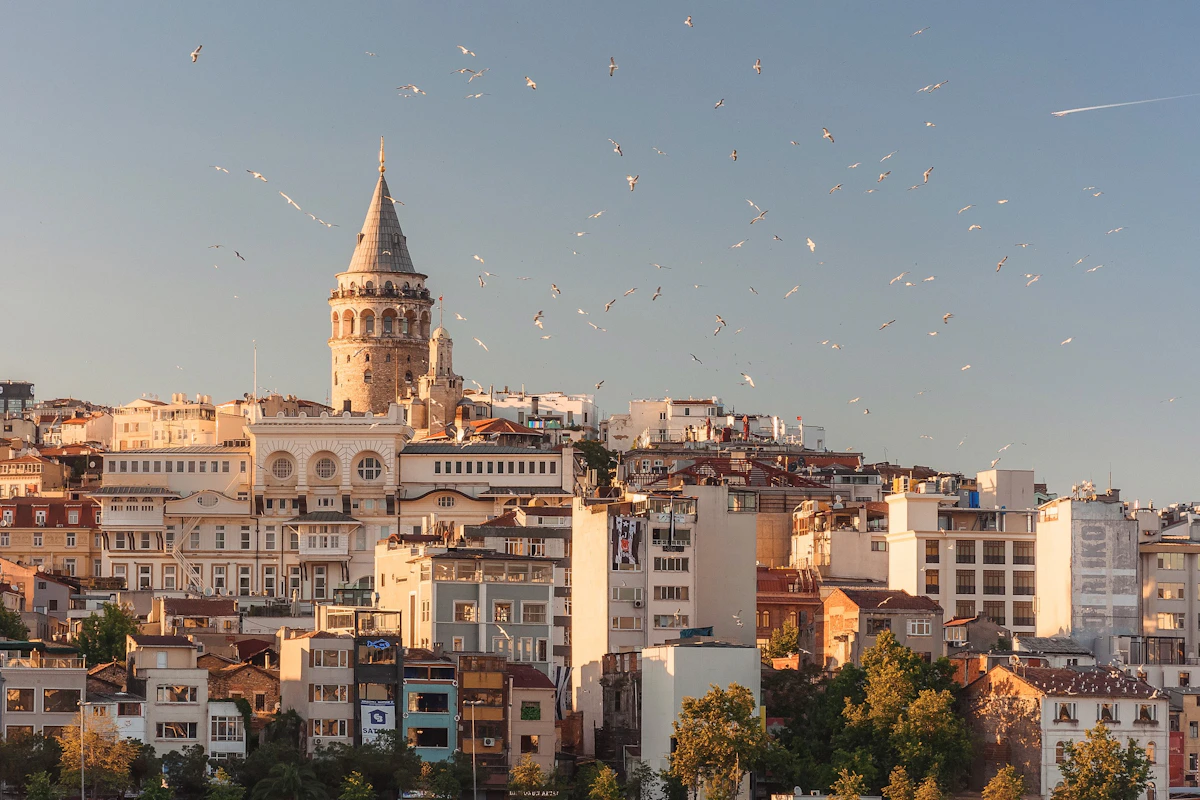
Galata Tower is a medieval stone landmark that offers panoramic views across Istanbul’s historic peninsula, Golden Horn, and Bosphorus. The tower was originally built during the Genoese period and remains one of the most recognizable features of the city’s skyline.
Its elevated position makes it an excellent viewpoint for understanding how Istanbul’s neighborhoods connect across the waterways.
- Location: Galata, Beyoğlu.
- Suggested time: 45–60 minutes, including possible queues.
- Best experience: Photograph the historic skyline from the observation area.
- Practical tip: Check current ticketing, operating arrangements, and access restrictions before arriving.
14. Walk Along Istiklal Avenue
Istiklal Avenue is one of Istanbul’s best-known pedestrian shopping and cultural streets, connecting Taksim Square with the historic Galata area. The avenue is lined with historic buildings, shops, cafés, cultural venues, and passages.
It is an ideal place to observe the city’s modern urban atmosphere while discovering architecture from different periods.
- Location: Beyoğlu.
- Suggested time: 1–2 hours.
- Best experience: Explore side streets, historic passages, and nearby cultural buildings.
- Practical tip: Wear comfortable shoes and expect substantial pedestrian traffic during busy periods.

15. Visit Dolmabahçe Palace
Dolmabahçe Palace is an impressive 19th-century waterfront palace that showcases the changing architectural and ceremonial tastes of the late Ottoman period. Its grand halls, decorative interiors, chandeliers, and gardens contrast with the more traditional design of Topkapı Palace.
The palace is particularly interesting for travelers who enjoy European-influenced architecture and Ottoman history.
- Location: Beşiktaş, along the Bosphorus.
- Suggested time: 1.5–2.5 hours.
- Best experience: Explore the ceremonial halls, residential areas, and palace grounds where accessible.
- Practical tip: Check the official palace schedule, admission inclusions, and photography restrictions.
16. Visit Taksim Square
Taksim Square is a central public gathering place and an important transportation hub in modern Istanbul. It connects visitors with Istiklal Avenue, nearby hotels, shopping areas, restaurants, and metro services.
The Republic Monument is a major landmark in the square, commemorating the establishment of the Turkish Republic.
- Location: Taksim, Beyoğlu.
- Suggested time: 20–30 minutes.
- Best experience: Explore the monument and use the square as a starting point for walking around Beyoğlu.
17. Explore Ortaköy Mosque and Waterfront
Ortaköy Mosque is a beautiful waterfront landmark known for its elegant architecture and position beside the Bosphorus Bridge. Its location creates one of the most recognizable photographic compositions in Istanbul.
The surrounding waterfront area has cafés, small shops, and open spaces where visitors can enjoy the atmosphere while observing boats moving through the strait.
- Location: Ortaköy, Beşiktaş.
- Suggested time: 45–60 minutes.
- Best experience: Photograph the mosque with the Bosphorus Bridge in the background.
- Practical tip: Allow additional travel time because road traffic can be heavy in this area.
4. Discover Istanbul’s Islands and Local Neighborhoods: 4 More Experiences
Istanbul’s quieter neighborhoods and nearby islands provide a welcome contrast to the crowded historic center. These destinations are especially worthwhile for visitors staying longer than two days or returning to the city for another trip.

18. Take a Day Trip to the Princes’ Islands
The Princes’ Islands are an excellent day-trip option for travelers seeking waterfront scenery, historic houses, and a slower pace away from central Istanbul. The archipelago is located in the Sea of Marmara and can be reached by scheduled ferry services.
Büyükada is the largest and most frequently visited island. Its historic buildings, coastal paths, and scenic streets make it a popular choice for a full-day excursion.
- Departure areas: Several ferry terminals, depending on the service and route.
- Suggested time: 5–7 hours including transportation.
- Best experience: Explore Büyükada’s historic streets and waterfront.
- Practical tip: Check return ferry times before leaving the mainland, particularly outside the busiest season.
19. Explore Balat and Fener
Balat and Fener are historic Golden Horn neighborhoods known for colorful buildings, traditional streets, religious heritage, and distinctive residential architecture. Their character differs significantly from the monumental buildings of Sultanahmet.
Walking through these neighborhoods provides opportunities to discover small cafés, local businesses, historic facades, and quieter streets.
- Location: Golden Horn, Fatih district.
- Suggested time: 1.5–2 hours.
- Best experience: Explore the side streets and observe the historic architecture.
- Practical tip: Remember that these are residential neighborhoods. Respect private property and avoid obstructing residents.
20. Discover Çamlıca Hill
Çamlıca Hill is one of the best elevated viewpoints for seeing Istanbul’s extensive urban landscape and the Bosphorus from the Asian side. Its position provides a wider perspective of the city’s bridges, waterfronts, and dense neighborhoods.
The area is suitable for travelers who enjoy panoramic photography and want to explore beyond the central tourist districts.
- Location: Üsküdar, Asian side.
- Suggested time: 45–90 minutes.
- Best experience: Enjoy the city panorama and explore the surrounding green spaces.
- Practical tip: Combine the visit with other Asian-side attractions to reduce unnecessary travel.
21. Explore Kadıköy and Moda
Kadıköy and Moda are excellent neighborhoods for experiencing Istanbul’s everyday life, waterfront atmosphere, independent shops, and local markets. Located on the Asian side, these districts offer a different perspective from the historic European-side attractions.
Kadıköy’s market streets are interesting for exploring local produce, food shops, and traditional businesses. Moda provides attractive waterfront walking routes and relaxed public spaces.
- Location: Asian side of Istanbul.
- Suggested time: 2–3 hours.
- Best experience: Explore the market, walk toward Moda, and enjoy the waterfront.
- Practical tip: Use a public ferry to reach Kadıköy when convenient; the journey itself provides attractive city views.
5. How to Visit Istanbul’s Main Attractions in 3 Days
A three-day Istanbul itinerary works best when attractions are grouped geographically, with one day for Sultanahmet, one for the Golden Horn and Beyoğlu, and one for the Bosphorus and Asian side. This reduces unnecessary journeys and leaves enough time to explore each location properly.
Day 1: Historic Sultanahmet
Start with the most important historical attractions and explore the surrounding area on foot.
- 9:00 AM: Visit Hagia Sophia.
- 10:30 AM: Explore the Blue Mosque.
- 11:30 AM: Walk through the Hippodrome.
- 12:15 PM: Take a break for lunch.
- 1:15 PM: Visit Basilica Cistern.
- 2:30 PM: Explore Topkapı Palace.
- 4:45 PM: Relax in Gülhane Park if time and access permit.
Planning note: Topkapı Palace requires several hours, so avoid adding too many other paid attractions if you want to explore its collections properly. Adjust the schedule to actual opening and last-entry times.
Day 2: Markets, Galata, and Beyoğlu
- 9:00 AM: Explore the Spice Bazaar.
- 10:00 AM: Visit the New Mosque.
- 10:45 AM: Walk across Galata Bridge.
- 11:30 AM: Explore Karaköy.
- 12:30 PM: Have lunch in the area.
- 1:30 PM: Visit Galata Tower.
- 3:00 PM: Walk along Istiklal Avenue.
- 4:30 PM: Explore Taksim Square.
This route keeps the main activities relatively close together and allows time for shopping and photography.
Day 3: Bosphorus and the Asian Side
- 9:00 AM: Visit Dolmabahçe Palace.
- 11:30 AM: Explore the Ortaköy waterfront.
- 1:00 PM: Enjoy a Bosphorus cruise or scheduled ferry journey.
- 2:30 PM: Travel toward Kadıköy.
- 3:30 PM: Explore Kadıköy Market.
- 4:30 PM: Walk along Moda waterfront.
If you prefer a full-day island excursion, replace most of this day’s activities with a Princes’ Islands visit. Do not attempt to combine a full island trip with several distant city attractions.
6. How to Get Around Istanbul’s Tourist Attractions
Istanbul’s public transportation network is generally the most practical way to move between major sightseeing areas, especially when traffic is heavy. Metro lines, trams, ferries, buses, and Marmaray services connect many important parts of the city.
Use İstanbulkart for Public Transportation
İstanbulkart is a rechargeable payment card used across much of the city’s public transportation network. Depending on the service and card type, visitors can use it on trams, metro, buses, ferries, and other supported transport.
Check the official İstanbulkart visitor information for current payment methods, card options, and top-up arrangements.
Choose the Right Transport for Each Route
| Transport | Best Use |
|---|---|
| T1 Tram | Sultanahmet, Eminönü, and historic attractions |
| Metro | Longer journeys across connected urban districts |
| Ferry | Crossing between European and Asian waterfronts |
| Marmaray | Travel between connected European and Asian stations |
| Bus | Reaching neighborhoods outside direct rail connections |
| Walking | Exploring compact historic districts |
Pro tip: Do not automatically use a taxi for every short journey. A tram or ferry can be more predictable during busy traffic periods.
For airport arrivals, compare Istanbul airport transfer options before selecting your transportation.
7. What Is the Best Time to Visit Istanbul?
Spring and autumn are generally the most comfortable seasons for exploring Istanbul because temperatures are often more suitable for extended walking and outdoor sightseeing. However, each season offers a different travel experience.
| Season | What to Expect | Planning Advice |
|---|---|---|
| Spring | Mild weather and attractive outdoor conditions | Excellent for walking and sightseeing |
| Summer | Warmer temperatures and busy tourist areas | Start outdoor activities early |
| Autumn | Generally comfortable sightseeing conditions | Good for walking and photography |
| Winter | Cooler weather and possible rain or snow | Plan indoor museums and flexible outdoor activities |
For a more comfortable sightseeing experience, consider April, May, September, and October, while checking actual weather conditions close to departure.
8. How Much Should You Budget for Istanbul Sightseeing?
Your Istanbul sightseeing budget depends mainly on paid attraction admissions, accommodation location, transportation choices, meals, and organized tours. There is no single reliable total because visitor ticket categories and prices can change.
| Expense | What to Include |
|---|---|
| Attraction tickets | Palaces, museums, towers, and paid exhibitions |
| Transportation | İstanbulkart, ferry journeys, and occasional transfers |
| Accommodation | Hotel location, room rate, and taxes |
| Food | Meals, snacks, and local specialties |
| Experiences | Bosphorus cruises, guided tours, and excursions |
| Connectivity | SIM card or eSIM and mobile data |
A useful budgeting formula is:
Total sightseeing budget = attraction admissions + local transportation + food + optional experiences + contingency.
For example, if you plan to visit two paid attractions, take several public transport journeys, and book a cruise, calculate those expenses separately before adding them to your overall vacation budget.
Also compare accommodation options through hotels and accommodation resources and plan your international flights using flight comparison resources.
9. Common Mistakes to Avoid When Exploring Istanbul
The biggest Istanbul sightseeing mistakes involve poor geographical planning, overlooking attraction schedules, and underestimating the time needed for transportation. A few simple decisions can make your visit considerably easier.
Trying to Visit Every Attraction in One Day
Istanbul is a large city, and traveling between districts can take longer than expected. Concentrate on one or two neighboring areas each day instead of repeatedly crossing the city.
Ignoring Mosque Visitor Requirements
Historic mosques remain active religious sites. Dress appropriately, follow visitor instructions, and respect prayer schedules.
Not Checking Palace and Museum Closures
Some attractions have fixed weekly closing days, special holiday arrangements, or temporary restrictions. Topkapı Palace, for example, normally closes on Tuesdays.
Assuming Every Attraction Is Included in One Pass
Different attractions can have different operators, admission arrangements, and ticket conditions. Compare individual tickets with any available sightseeing pass before purchasing.
Underestimating Walking Distances
Even when attractions look close on a map, steep streets, crowds, security queues, and historic pedestrian routes can increase the time needed. Wear comfortable shoes and leave breaks between visits.
10. Essential Travel Tips for First-Time Istanbul Visitors
First-time visitors should plan their accommodation, transport, attraction tickets, connectivity, and daily routes before arriving. These preparations reduce unnecessary expenses and make sightseeing easier.
- Stay near Sultanahmet or another convenient transport hub if historic sightseeing is your priority.
- Use public transportation for longer city journeys where practical.
- Keep some flexible time for spontaneous neighborhood exploration.
- Check attraction access rules before purchasing tickets.
- Carry a suitable payment method and check current local transport payment options.
- Download offline maps as a backup.
- Compare airport transfer options before landing.
- Respect local customs at mosques and residential areas.
- Check travel insurance coverage before departure.
- Verify passport, visa, and entry requirements using official government sources.
For more comprehensive preparation, read our guide to planning a trip and explore additional travel destinations worth exploring.
11. Frequently Asked Questions About Things to Do in Istanbul
These answers cover the most common practical questions travelers ask when planning an Istanbul sightseeing trip.
1. What are the best things to do in Istanbul for first-time visitors?
The best first-time experiences include visiting Hagia Sophia, the Blue Mosque, Topkapı Palace, Basilica Cistern, the Grand Bazaar, Galata Tower, and taking a Bosphorus cruise. These attractions introduce the city’s history, architecture, markets, and waterfront scenery.
2. How many days are enough to explore Istanbul?
Three days are a good starting point for visiting major historic landmarks, markets, Beyoğlu, and the Bosphorus. Four or five days provide more flexibility for the Princes’ Islands, Asian-side neighborhoods, and additional museums.
3. Is Istanbul worth visiting for a short vacation?
Yes. Istanbul is suitable for a short city break because several important landmarks are concentrated around Sultanahmet, while public transportation connects other major sightseeing districts.
4. Which Istanbul attractions are close to each other?
Hagia Sophia, the Blue Mosque, Hippodrome, Basilica Cistern, and Topkapı Palace are all located in the historic Sultanahmet area. The Spice Bazaar, New Mosque, and Galata Bridge also make a convenient combined walking route.
5. What are the best free things to do in Istanbul?
Visitors can explore Sultanahmet Square, walk across Galata Bridge, enjoy Gülhane Park, explore public streets in Balat and Fener, and admire the Ortaköy waterfront without purchasing a sightseeing attraction ticket. Always check access restrictions for religious and public sites.
6. Is the Bosphorus cruise worth the money?
A Bosphorus cruise is worthwhile if you want to see Istanbul’s European and Asian waterfronts from the water. Compare the duration, route, departure pier, and inclusions before booking to avoid paying for an experience that does not match your expectations.
7. What is the best area to stay in Istanbul for sightseeing?
Sultanahmet is convenient for first-time visitors prioritizing historic attractions. Beyoğlu and Karaköy offer convenient access to shopping, restaurants, cultural venues, and public transportation. Kadıköy is an alternative for travelers who prefer the Asian side.
8. Can you explore Istanbul without renting a car?
Yes. Most tourists can explore Istanbul without renting a car because the city has trams, metro lines, buses, ferries, and other public transportation options. Walking is particularly useful in the historic center.
9. What is the best month to visit Istanbul for sightseeing?
April, May, September, and October are generally attractive months for sightseeing because outdoor walking conditions are often more comfortable than during the hottest summer period. Actual weather varies each year.
10. Is Istanbul suitable for families with children?
Yes. Families can enjoy parks, boat journeys, historic squares, markets, museums, and island excursions. Plan shorter sightseeing sessions and include breaks because the city involves considerable walking.
11. Is the Grand Bazaar open every day?
The Grand Bazaar normally operates from Monday through Saturday and is closed on Sundays, although special holiday arrangements may apply. Check current opening information before arranging your visit.
12. What should visitors wear when exploring Istanbul mosques?
Visitors should wear respectful clothing that covers their shoulders and knees. Women may be required to cover their hair at certain mosques. Follow the specific visitor instructions displayed at each religious site.
Final Takeaway: Make the Most of Your Istanbul Visit
The best things to do in Istanbul combine historic landmarks, cultural experiences, traditional markets, scenic waterfronts, and neighborhood exploration. From the extraordinary architecture of Hagia Sophia to the panoramic views at Galata Tower and the peaceful atmosphere of the Princes’ Islands, the city offers something for different travel interests.
For a first visit, prioritize Sultanahmet, explore the Grand Bazaar and Galata area, and reserve time for a Bosphorus experience. If you have additional days, discover Kadıköy, Balat, Ortaköy, and other neighborhoods beyond the main tourist center.
Most importantly, organize your attractions by location, check official admission information, and leave enough time to enjoy the city rather than rushing between landmarks.
Continue planning your trip with The Offers Guy’s resources for Istanbul accommodation, international flights, guided tours and activities, and international connectivity.
Travel information note: Attraction schedules, admission prices, transportation fares, and visitor arrangements can change. Confirm important details with the relevant official authority before your visit.