The best time to visit Santorini depends on whether you want warm beach weather, fewer tourists, lower accommodation prices, or comfortable sightseeing. For most travelers, May, June, September, and early October offer the best balance of pleasant temperatures, accessible attractions, and manageable crowds. July and August are better for hot beach holidays, while winter suits visitors who prefer quiet villages and lower travel costs.
Choosing the right travel dates can make a significant difference to your Santorini vacation. The island experiences noticeable seasonal changes in weather, hotel availability, ferry schedules, and visitor numbers, so planning around your priorities can help you enjoy more while spending wisely.
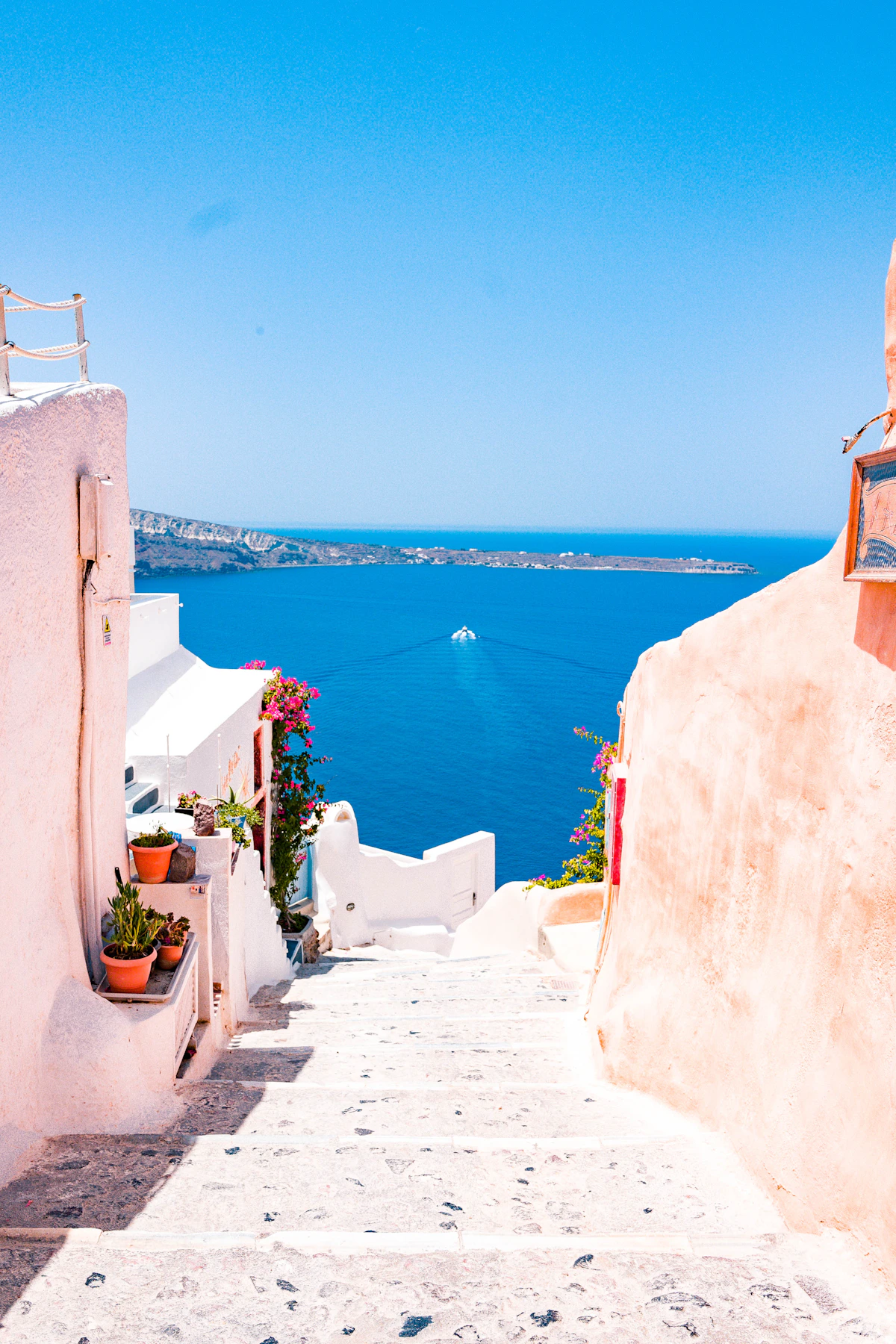
When Is the Best Time to Visit Santorini?
May, June, September, and early October are generally the best months to visit Santorini for comfortable weather, sightseeing opportunities, and a better balance between prices and crowds.
These months fall within the island’s shoulder travel season, when visitors can enjoy many of Santorini’s popular experiences without the intense summer crowds.
However, the ideal month changes according to your holiday priorities.
| Travel preference | Best time | Main advantage |
|---|---|---|
| Best overall experience | May and September | Comfortable weather and fewer crowds than peak summer |
| Beach holidays | July to September | Warmer swimming conditions |
| Affordable accommodation | April and October | Potentially better seasonal rates |
| Hiking and sightseeing | April, May and October | More comfortable outdoor temperatures |
| Photography | April, May and September | Attractive natural light and fewer visitors |
| Quiet island experience | November to March | Fewer tourists and a slower atmosphere |
| Family beach vacations | June and September | Good combination of beach weather and available facilities |
Our recommendation: Choose late May to mid-June or September if you want to experience several sides of Santorini during one vacation.
For additional destination inspiration, explore our guide to 17 best travel destinations.
Understanding Santorini’s Seasonal Weather
Santorini has a Mediterranean climate with hot, dry summers and relatively mild, wetter winters. Spring and autumn generally provide more comfortable conditions for exploring the island on foot.
The island is located in the southern Aegean Sea and experiences seasonal winds known as the meltemi, particularly during summer. These winds can influence beach conditions, outdoor comfort, and ferry operations.

Spring Weather: March to May
Spring brings mild temperatures, greener landscapes, and increasingly active tourist services.
March can still feel cool, particularly in exposed coastal areas. April becomes more comfortable, while May generally offers warmer afternoons and better conditions for outdoor activities.
- March: Quiet streets and relatively cool conditions.
- April: More hotels and seasonal businesses begin reopening.
- May: A good combination of sunshine, sightseeing weather, and growing activity.
The sea can remain cool during spring, so travelers primarily interested in swimming should consider late May or early summer.
Summer Weather: June to August
Summer brings the hottest temperatures, long daylight hours, and the island’s busiest tourism period.
June is an excellent option for travelers who want beach activities without choosing the busiest part of summer. July and August are considerably busier, with strong sunshine and warmer sea conditions.
- June: Warm weather and excellent sightseeing opportunities.
- July: Hot afternoons and high tourist demand.
- August: Peak summer conditions and busy attractions.
The meltemi wind can provide some relief from the heat, although stronger winds may affect exposed beaches and boat excursions.

Autumn Weather: September to November
Autumn offers warm early-season conditions followed by cooler temperatures and fewer tourists.
September is particularly attractive because the sea retains warmth from summer while the island gradually becomes less crowded.
October is suitable for sightseeing, photography, and relaxed village exploration. However, some seasonal hotels, restaurants, and excursions begin closing toward the end of the month.
- September: Warm swimming conditions and attractive sightseeing weather.
- October: Cooler afternoons, quieter attractions, and seasonal closures later in the month.
- November: Lower visitor numbers and more changeable weather.

Winter Weather: December to February
Winter is the quietest period in Santorini, with cooler weather, shorter days, and fewer operating tourist businesses.
Unlike the summer season, winter offers a more residential atmosphere. Fira remains one of the more practical bases, but many seasonal accommodation properties and tourist facilities close.
Winter is best for travelers interested in photography, peaceful walks, local village life, and exploring the island without large tourist groups.
It is not the ideal season for a conventional beach vacation because the sea is cold and outdoor conditions can be windy or rainy.
7 Essential Tips for Choosing the Best Time to Visit Santorini
The smartest way to choose your travel dates is to compare weather, accommodation availability, beach conditions, tourist demand, and the activities you want to experience.
1. Choose May or September for the Best Overall Experience
May and September offer an attractive balance between pleasant weather, sightseeing opportunities, and manageable visitor numbers.
These months are particularly useful for first-time visitors who want to explore Oia, Fira, Imerovigli, Akrotiri, and the island’s volcanic coastline.
May is suitable for outdoor exploration because temperatures are generally more comfortable than during midsummer. September is especially appealing to travelers who want warmer swimming conditions.
Consider these advantages:
- More comfortable conditions for walking around traditional villages.
- Good opportunities for caldera photography.
- Many seasonal tourist services are operating.
- Less intense demand than the July and August peak.
- More flexibility when choosing accommodation.
Pro tip: For the best combination of warm weather and a calmer atmosphere, consider the second half of September rather than the busiest summer weeks.

2. Visit in June or September for Beach Activities
June and September are excellent choices for travelers who want to combine sightseeing with swimming and beach relaxation.
Santorini’s coastline is different from the sandy beaches found on many other Greek islands. Visitors will find volcanic beaches with black sand, pebbles, and distinctive rock formations.
Some popular coastal locations include:
- Kamari Beach: A developed black-pebble beach with tourist facilities and convenient access to nearby accommodation.
- Perissa Beach: A long volcanic-sand coastline popular with visitors seeking beach activities.
- Perivolos Beach: A coastal area with organized facilities and opportunities for relaxing beside the sea.
- Monolithos Beach: A useful option for families because of its relatively shallow coastal waters in suitable conditions.
- Red Beach: Famous for its striking red volcanic landscape and dramatic surrounding cliffs.
Check local beach access and safety information before visiting. Conditions can change, particularly around exposed coastal areas.
Note: June generally offers a good combination of increasing sea temperatures and less intense crowds than August. September is particularly attractive for travelers who prefer warmer water.
Read our dedicated guide to Santorini destination and travel guides when planning your beach activities.

3. Avoid July and August If You Prefer Fewer Crowds
July and August are the busiest months, so visitors seeking quieter sightseeing should consider spring or autumn instead.
During peak summer, popular places such as Oia’s narrow streets, Fira’s caldera viewpoints, and major sunset locations attract substantial numbers of visitors.
Accommodation demand also increases, especially for properties with caldera views, private terraces, and convenient locations.
If your schedule requires a summer visit, use these practical strategies:
- Visit Oia early in the morning before the busiest sightseeing period.
- Explore Fira during quieter morning hours.
- Schedule outdoor walks before midday.
- Choose a beach or indoor attraction during the hottest afternoon hours.
- Reserve accommodation and important excursions in advance.
Pro tip: Consider staying in Kamari or Perissa if beach access and accommodation value matter more than having a caldera-view room.
4. Consider April and October for Better Travel Value
April and October can provide better value than peak summer, particularly for travelers with flexible schedules.
During these months, accommodation prices may be more attractive because tourist demand is generally lower than in July and August.
However, lower rates do not automatically mean a better overall vacation. You should also consider which hotels, restaurants, boat excursions, and transportation services will be available during your visit.
Before booking, compare:
- Accommodation prices for your exact dates.
- Hotel opening and closing dates.
- Airport and ferry transportation options.
- Availability of organized excursions.
- Local restaurant opening schedules.
For more ways to manage your holiday spending, explore our guide to finding worthwhile vacation deals.
Important: Early October generally offers more seasonal services than late October. Always confirm operating dates directly with providers.
5. Plan Hiking and Sightseeing During Cooler Months
April, May, September, and October are generally more comfortable than midsummer for exploring Santorini on foot.
The famous Fira-to-Oia walking route provides panoramic views across the caldera. It passes through scenic areas including Firostefani and Imerovigli.
The route is exposed in several sections, so summer heat can make the walk considerably more demanding.
For a more comfortable sightseeing experience:
- Start longer walks early in the morning.
- Carry sufficient drinking water.
- Wear comfortable walking shoes with good grip.
- Use sun protection during clear weather.
- Check local weather conditions before setting out.
You can also explore Akrotiri, an important prehistoric archaeological settlement, and the traditional streets of Emporio.
For official destination information and archaeological attractions, consult the Greek National Tourism Organisation’s Santorini guide.

6. Check Ferry and Boat Excursion Availability Before Booking
Spring, summer, and early autumn generally offer more tourist boat and ferry options than winter.
Santorini is connected to Athens and other Greek islands through ferry services. The frequency and type of service can change according to the season and operating schedules.
Strong winds can occasionally disrupt ferry journeys, even during the warmer months. This is particularly important if you are connecting to an international flight or another island.
Before finalizing your travel dates:
- Check ferry routes and schedules for your intended dates.
- Compare conventional ferries and faster services.
- Check cancellation and rescheduling conditions.
- Confirm boat excursion operating dates.
- Leave sufficient flexibility before an important international departure.
Pro tip: Avoid scheduling a tight connection between a ferry arrival and an international flight. A buffer night in Athens or Santorini can provide additional protection against unexpected disruptions.
For official destination information, use Visit Greece alongside the relevant ferry operator’s current timetable.
7. Check Hotel Opening Dates Before Choosing Your Travel Month
Hotel availability is particularly important in early spring, late autumn, and winter because many Santorini properties operate seasonally.
Travelers sometimes choose a month based on attractive accommodation prices without checking whether their preferred property, restaurant, or nearby facilities will actually be operating.
This can create problems when planning a stay in smaller villages or seasonal coastal areas.
Use this booking checklist:
- Confirm the hotel’s exact opening and closing dates.
- Check whether breakfast and other facilities are available.
- Confirm airport or ferry transfers.
- Check the location of open restaurants and supermarkets.
- Review the cancellation policy.
- Compare the final price, including taxes and additional charges.
You can explore our hotels and accommodation resources to compare different types of stays before choosing your travel dates.
Note: A hotel with a slightly higher nightly rate can provide better overall value if it offers convenient transportation, reliable facilities, and a practical location.
Santorini Month-by-Month Travel Guide
May, June, and September are the strongest all-round choices, while July and August suit hot-weather holidays and winter suits travelers seeking solitude.
The following comparison provides a practical overview of the island’s seasonal travel conditions. Weather descriptions are general planning guidance rather than guaranteed forecasts.
| Month | Weather | Crowds | Travel suitability |
|---|---|---|---|
| January | Cool and potentially rainy | Very low | Quiet exploration |
| February | Cool and changeable | Very low | Peaceful village visits |
| March | Mild but unpredictable | Low | Early-season sightseeing |
| April | Mild and increasingly sunny | Moderate | Walking and photography |
| May | Warm and mostly dry | Moderate | Excellent overall choice |
| June | Warm and sunny | High | Beaches and sightseeing |
| July | Hot and dry | Very high | Peak summer holidays |
| August | Hot and dry | Very high | Beach-focused vacations |
| September | Warm and comfortable | High, gradually easing | Excellent overall choice |
| October | Mild, becoming cooler | Moderate to low | Relaxed sightseeing |
| November | Cooler and wetter | Low | Quiet island experience |
| December | Cool and potentially rainy | Very low | Winter exploration |
Which Months Offer the Best Balance?
May and September provide particularly strong combinations of weather, available activities, and manageable visitor numbers.
However, the best choice depends on the experience you want:
- Choose May for spring scenery and comfortable walking conditions.
- Choose June for warmer beach conditions and long daylight hours.
- Choose September for warm water and gradually easing crowds.
- Choose October for quieter sightseeing and potentially better accommodation value.
For additional climate information, read the official Greece climate guide.
Best Time to Visit Santorini for Different Activities
The best travel month changes depending on whether your priority is swimming, photography, walking, sightseeing, or a relaxing holiday.
Best Time for Swimming and Beach Holidays
June through September is generally the strongest period for swimming and enjoying Santorini’s beaches. Sea temperatures usually become more comfortable as summer progresses.
September is particularly attractive because the sea retains warmth while visitor numbers begin easing after the peak summer period.
Best Time for Oia Sunsets
Spring through autumn offers excellent opportunities for enjoying Santorini’s famous sunsets.
Oia is particularly popular in the late afternoon, so consider arriving early or exploring alternative viewpoints in Fira, Firostefani, and Imerovigli.
For a quieter experience, choose a weekday outside the busiest summer period when possible.
Best Time for Photography
April, May, September, and October are attractive months for photography because visitors can explore during more comfortable outdoor conditions.
Morning light can help photograph Oia’s architecture, while late afternoon offers opportunities to capture the caldera’s changing colors.
Best Time for Families With Children
June and early September are useful choices for families seeking beach access, operating tourist facilities, and manageable weather.
Families traveling with younger children may prefer Kamari or Monolithos because of their developed beach facilities and practical access.
Consider accommodation with family rooms, convenient transport, and nearby food options rather than choosing a property based entirely on its view.
Best Time for Couples
May, June, and September are attractive months for couples because they combine scenic surroundings, comfortable evenings, and good opportunities for exploring the island.
For a more relaxed experience, consider staying in Imerovigli or Firostefani rather than choosing accommodation in the busiest sections of Oia.
How to Avoid Crowds and Manage Your Santorini Travel Budget
The most effective way to reduce travel expenses is to avoid peak-demand dates, compare accommodation locations, and calculate the total cost of your vacation before booking.
Santorini is a popular international destination, and prices can change considerably according to the month, property location, and accommodation type.
Choose Accommodation Outside the Busiest Areas
Caldera-view accommodation in Oia and Fira can be expensive, particularly during peak summer.
Consider alternative locations such as Kamari, Perissa, and other practical villages if you prefer beach access or want to compare more accommodation options.
Compare the Complete Vacation Cost
Do not compare hotel prices or flight prices in isolation. A lower room rate may require additional transportation spending, while an inexpensive flight may involve inconvenient transfers.
Use this simple planning formula:
Total Santorini vacation cost = Flights + Accommodation + Local transportation + Food + Activities + Travel insurance + Additional fees.
For example, consider a hypothetical planning budget:
| Expense | Illustrative amount |
|---|---|
| Flights | €350 |
| Accommodation | €450 |
| Local transportation | €80 |
| Food | €180 |
| Activities | €100 |
| Insurance and miscellaneous | €60 |
| Total | €1,220 |
These figures are illustrative calculations for explaining a budget, not current Santorini market prices or a guaranteed vacation quotation. Actual expenses depend on departure city, dates, accommodation standards, and personal choices.
For more practical money-saving advice, explore our guides to traveling Europe on a budget and planning an affordable European trip.
Use Early Sightseeing to Avoid Peak Visitor Hours
Even during busy months, you can improve your experience by adjusting your daily schedule.
- Visit Oia before the busiest afternoon period.
- Explore Fira early in the morning.
- Visit archaeological attractions when they open.
- Schedule beach visits around the hottest part of the day.
- Choose alternative sunset viewpoints instead of relying entirely on Oia.
Pro tip: Changing your sightseeing schedule can sometimes improve your vacation more than changing the travel month itself.
Common Mistakes When Choosing Santorini Travel Dates
The biggest planning mistakes involve assuming every month offers the same weather, prices, transportation, and tourist services.
Assuming April Is Always Warm Enough for Swimming
April is generally more suitable for sightseeing than swimming because the Aegean Sea can still feel cold. Choose later spring or summer if beach activities are essential.
Booking August Without Comparing Accommodation
August attracts substantial visitor demand. Booking without comparing locations and cancellation policies can limit your choices and increase expenses.
Visiting in Winter Without Checking Hotel Availability
Some accommodation properties and tourist businesses close during winter. Confirm operating dates before purchasing flights.
Planning a Tight Ferry Connection
Weather-related ferry disruptions can affect island travel. Allow sufficient flexibility if you have an important international flight.
Choosing a Hotel Only for Its View
A beautiful caldera view may be attractive, but transportation access, luggage arrangements, stairs, and nearby facilities also matter.
Ignoring the Summer Heat
Long outdoor walks can become uncomfortable during the hottest hours. Carry water, use sun protection, and organize activities around the weather.
Example 3-Day Santorini Itinerary by Season
A three-day Santorini itinerary can cover the main villages, scenic viewpoints, beaches, and cultural attractions when activities are scheduled according to the season.
The following example shows how you can adapt the same trip length to different weather conditions.
Spring and Autumn: Three-Day Sightseeing Trip
| Day | Morning | Afternoon | Evening |
|---|---|---|---|
| Day 1 | Explore Fira | Walk through Firostefani and Imerovigli | Watch the caldera sunset |
| Day 2 | Explore Oia | Visit Ammoudi and nearby coastal areas | Enjoy a relaxed evening |
| Day 3 | Visit Akrotiri | Explore Red Beach if access is safe | Return to Fira |
Spring and autumn are particularly suitable for this itinerary because outdoor exploration is generally more comfortable.
Summer: Three-Day Beach and Village Trip
| Day | Morning | Afternoon | Evening |
|---|---|---|---|
| Day 1 | Explore Oia early | Relax at your accommodation | Enjoy a sunset viewpoint |
| Day 2 | Visit Kamari Beach | Enjoy beach activities | Explore Fira |
| Day 3 | Explore Akrotiri | Take a pre-booked boat excursion | Enjoy a relaxed evening |
During summer, prioritize early outdoor activities and leave the hottest afternoon hours for swimming, indoor attractions, or relaxation.
Winter: Three-Day Quiet Island Experience
| Day | Activities |
|---|---|
| Day 1 | Explore Fira and its quieter streets. |
| Day 2 | Visit Akrotiri or an operating cultural attraction after checking seasonal hours. |
| Day 3 | Explore accessible traditional villages and scenic viewpoints. |
Winter visitors should keep their schedules flexible because weather and seasonal opening hours can affect outdoor plans.

Frequently Asked Questions About the Best Time to Visit Santorini
These answers address common questions about seasonal weather, swimming, prices, and the best months for different types of holidays.
What is the absolute best month to visit Santorini?
September is one of the best months for an overall Santorini vacation because the sea remains warm after summer, daytime temperatures are generally comfortable, and visitor numbers gradually decrease. May is another excellent option for sightseeing and comfortable outdoor exploration.
Is May a good time to visit Santorini?
Yes. May offers mild to warm weather, increasing sunshine, and good conditions for exploring Oia, Fira, Imerovigli, and archaeological attractions. The sea can still feel cool, especially early in the month.
Is September better than June for Santorini?
September is generally better for warmer sea temperatures and gradually easing crowds. June offers longer daylight hours and the beginning of the main summer season. Both are excellent choices depending on your priorities.
When is Santorini the cheapest to visit?
November through March generally offers the lowest accommodation demand and potentially lower prices. However, many seasonal businesses close. April and October can provide a better compromise between travel value and available tourist facilities.
When is Santorini most crowded?
July and August are generally the busiest months. Oia, Fira, popular sunset viewpoints, and major beaches can become particularly crowded during peak summer afternoons and evenings.
Can you swim in Santorini in May?
Yes, swimming is possible in May, but the Aegean Sea can still feel cool, especially early in the month. Travelers who prioritize warmer swimming conditions should consider June, July, August, or September.
Is October too late for a Santorini holiday?
No. Early October can be an excellent time for sightseeing, photography, and relaxed village exploration. However, some seasonal hotels, restaurants, and excursions begin closing later in the month, so check availability before booking.
Is Santorini worth visiting in winter?
Yes, if you prefer a peaceful destination and do not require a traditional beach holiday. Winter offers quieter villages and potentially lower accommodation costs, but cooler weather and seasonal closures limit the available activities.
How many days should you spend in Santorini?
Three days are sufficient for many first-time visitors to explore the main villages, caldera viewpoints, and an archaeological attraction. Four or five days provide more flexibility for beaches, boat excursions, and relaxed sightseeing.
Is July or August better for visiting Santorini?
Both months offer hot, dry summer conditions and warm swimming opportunities. August is often particularly busy, while July can be a slightly more comfortable choice for travelers who want peak summer weather without choosing the busiest part of the season.
What is the best time to visit Santorini for couples?
May, June, and September are excellent choices for couples because they offer attractive caldera views, pleasant outdoor conditions, and opportunities to explore the island together without relying entirely on peak summer travel dates.
What is the best time to visit Santorini for families?
June and early September are useful choices for families who want beach access, operating accommodation, and warm weather. Choose a convenient location with nearby transport, suitable facilities, and practical access to beaches.
Final Verdict: When Should You Plan Your Santorini Vacation?
May, June, and September are the strongest choices for most travelers, while early October is an attractive alternative for visitors seeking a quieter and potentially better-value vacation.
Choose May if you prefer comfortable sightseeing, June if you want increasing beach temperatures, and September if warm swimming conditions and gradually easing crowds are your priorities.
July and August are suitable for visitors who enjoy hot summer weather and do not mind higher demand. Winter is best for travelers who want a peaceful island experience and can accept seasonal closures.
Before booking, compare accommodation availability, transportation schedules, beach conditions, and the total vacation cost. These decisions will help you select the right dates rather than simply following the most popular travel month.
Ultimately, the best time to visit Santorini is the period that matches your preferred activities, budget, and travel style. Plan carefully, allow flexibility in your schedule, and you can enjoy the island’s remarkable villages, volcanic coastline, and caldera scenery throughout much of the year.