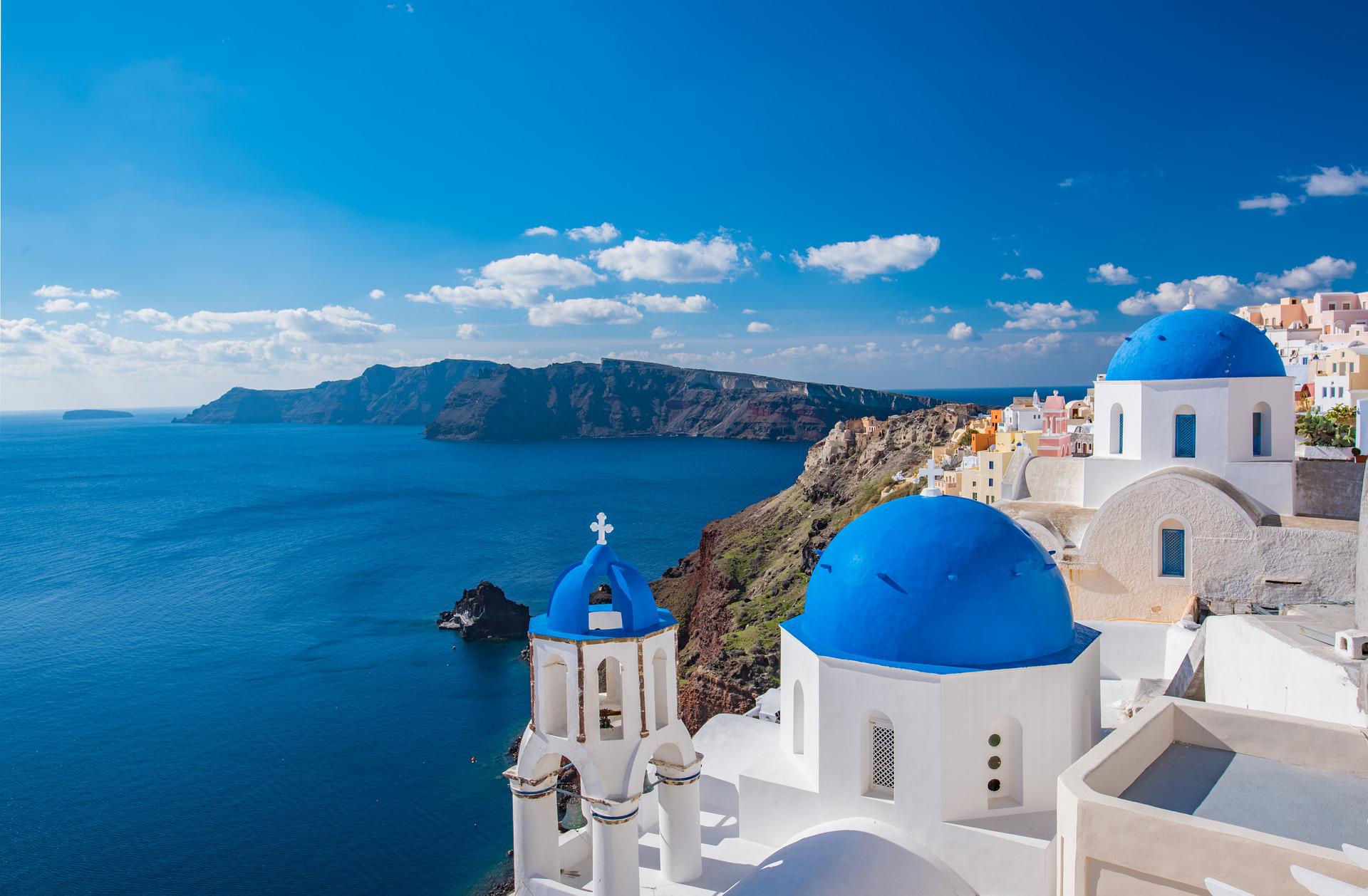
The best things to do in Santorini go far beyond photographing whitewashed houses and blue-domed churches. Greece’s famous Cycladic island offers volcanic landscapes, ancient archaeological sites, black-sand beaches, traditional villages, spectacular coastal walks and unforgettable boat excursions.
Whether you are planning a romantic getaway, a family holiday or a budget-conscious Greek island adventure, knowing which experiences deserve your time can make your trip considerably better. This guide covers 15 memorable Santorini experiences, including where to find them, how much time to allow, when to visit and practical tips for avoiding common tourist mistakes.

Quick answer: Prioritize exploring Oia, watching a caldera sunset, hiking from Fira to Oia, visiting the Akrotiri archaeological site, swimming at Perissa Beach, taking a boat trip to Nea Kameni and discovering traditional villages such as Pyrgos and Megalochori.
Table of Contents
- Best Santorini experiences at a glance
- Explore Oia Village
- Watch a Santorini caldera sunset
- Discover Fira
- Hike from Fira to Oia
- Visit the volcanic island of Nea Kameni
- Experience the volcanic hot springs
- Explore Ancient Akrotiri
- Relax at Perissa Black Sand Beach
- See Red Beach
- Explore Imerovigli and Skaros Rock
- Discover Pyrgos Village
- Walk through Megalochori
- Visit Ancient Thera
- Take a caldera boat cruise
- Experience Santorini’s local food
- How to plan your Santorini activities
- Frequently asked questions
Best Things to Do in Santorini at a Glance
The best Santorini experiences combine famous viewpoints, volcanic attractions, historical landmarks and quieter island villages. Use this comparison to decide which activities fit your available time.
| Experience | Location | Suggested time | Typical cost |
|---|---|---|---|
| Explore Oia | Northwestern Santorini | 2–3 hours | Free to explore |
| Watch the sunset | Oia or Imerovigli | 1–2 hours | Free viewpoints |
| Explore Fira | Central Santorini | 2–3 hours | Free to explore |
| Fira to Oia hike | Caldera trail | 3–5 hours | Free |
| Nea Kameni volcano | Caldera | 3–5 hours | Boat tour fee |
| Volcanic hot springs | Palea Kameni | 30–60 minutes | Usually tour-dependent |
| Akrotiri archaeological site | Southern Santorini | 1.5–2 hours | Ticket required |
| Perissa Beach | Southeastern coast | Half a day | Free beach access |
| Red Beach | Akrotiri | 1–2 hours | Access-dependent |
| Imerovigli | Caldera rim | 1–2 hours | Free to explore |
| Pyrgos | Central island | 1–2 hours | Free to explore |
| Megalochori | South-central island | 1–2 hours | Free to explore |
| Ancient Thera | Mesa Vouno | 2–3 hours | Ticket required |
| Caldera cruise | Santorini caldera | 4–6 hours | Tour-dependent |
| Local food experiences | Across the island | 1–2 hours | Meal-dependent |
Cost guidance: Free means there is no general admission charge for the experience itself. Transport, food, equipment, guided excursions and optional facilities may cost extra. Archaeological admission prices and opening times can change, so check official information before travelling.
1. Explore the Beautiful Streets of Oia Village
Oia is the most iconic village in Santorini, famous for its blue-domed churches, whitewashed buildings, cave houses and spectacular caldera views.

Located at the northwestern end of the island, Oia is an essential stop for first-time visitors. Its narrow pedestrian streets pass traditional houses, small churches, galleries, boutiques and terraces overlooking the Aegean Sea.
The village is beautiful throughout the day, but the experience changes considerably depending on your arrival time. Late morning and afternoon bring larger crowds, particularly around the famous photography viewpoints.
What to see and do in Oia
- Blue-domed churches: Photograph the famous church domes from public viewpoints while respecting private property.
- Oia Castle ruins: Visit the historic viewpoint overlooking the caldera and surrounding coastline.
- Traditional cave houses: Notice the buildings carved into volcanic rock and their distinctive architectural design.
- Maritime Museum: Discover aspects of Santorini’s maritime history.
- Pedestrian lanes: Explore the smaller streets rather than spending your entire visit on the busiest main walkway.
Best practical tip: Arrive before 9 AM if you want quieter streets and better opportunities for photography. Return in the evening if you want to experience the village’s illuminated buildings.
Allow approximately two to three hours for a relaxed visit. You can extend your stay if you plan to explore the nearby coastal area or enjoy a meal overlooking the caldera.
Official destination information: Visit Greece – Santorini.
2. Watch an Unforgettable Santorini Caldera Sunset
Watching the sun disappear behind the Aegean Sea from the Santorini caldera is one of the island’s most memorable free experiences.

Santorini’s geography creates an extraordinary sunset setting. White villages sit along the upper edges of volcanic cliffs, while the caldera and distant islands form a dramatic background.
Oia is the most famous place to watch the sunset, but it is not the only worthwhile location. The popularity of its castle viewpoint means visitors should expect substantial crowds during peak travel periods.
Where to watch the sunset
- Oia Castle: A famous viewpoint with panoramic views, but one of the busiest sunset locations.
- Imerovigli: Offers impressive caldera scenery and alternative viewpoints.
- Firostefani: A convenient area for visitors staying near Fira.
- Fira: Provides several public viewpoints overlooking the volcanic islands.
- Akrotiri Lighthouse area: A different southwestern perspective, subject to local access and parking conditions.
How to enjoy the sunset without unnecessary stress
- Check the local sunset time on the day of your visit.
- Reach your preferred public viewpoint 45–90 minutes beforehand.
- Choose your location before the busiest period begins.
- Carry water and avoid blocking narrow pedestrian routes.
- Plan your return transport before the crowds leave.
Pro tip: You do not need to reserve an expensive restaurant to enjoy a beautiful sunset. A suitable public viewpoint can offer an equally impressive natural experience without the cost of a premium dining table.
3. Discover Fira, Santorini’s Lively Capital
Fira is the best place to combine caldera sightseeing, museums, shopping, restaurants and convenient transport connections.
Fira sits along the western caldera edge and serves as Santorini’s main commercial and transport centre. It is a practical starting point for exploring the island, especially if you are using public buses.
The town has a different atmosphere from Oia. Fira is more active, with shopping streets, museums, restaurants, cafés and viewpoints overlooking the volcanic islands.
Best attractions in Fira
- Museum of Prehistoric Thera: See archaeological finds connected with the island’s ancient settlements.
- Archaeological Museum of Thera: Explore collections associated with Santorini’s history.
- Three Bells of Fira: See one of the town’s recognizable architectural landmarks.
- Caldera promenade: Walk along the cliffside streets and enjoy the views.
- Fira Old Port: Visit the historic harbour area, checking current access restrictions and transport arrangements.
The cable car connects Fira with the Old Port and offers a convenient alternative to walking the steep steps. Check current fares and operating arrangements before travelling.
Practical advice: Explore Fira early in the morning or later in the afternoon. During the busiest cruise-ship periods, the central streets can become crowded.
4. Hike from Fira to Oia Along the Caldera
The Fira-to-Oia hike is one of the most rewarding outdoor activities in Santorini, combining village scenery, volcanic cliffs and panoramic sea views.

The route connects Fira with Oia through Firostefani and Imerovigli. It follows sections of the caldera rim, passing churches, settlements, viewpoints and exposed volcanic terrain.
The full walk is approximately 10 kilometres, although the exact distance depends on your starting point and route variations. Most visitors should allow three to five hours, including breaks and photography stops.
What to expect on the hike
- Stepped and uneven paths in several sections.
- Exposed areas with limited shade.
- Panoramic views of the Aegean Sea and caldera.
- Small settlements and churches along the route.
- Some uphill and downhill sections.
How to prepare for the Fira to Oia walk
- Start early, especially during the warmer months.
- Wear comfortable walking shoes with good grip.
- Carry sufficient drinking water.
- Use sun protection and take breaks when necessary.
- Check the weather and avoid the exposed trail during unsafe conditions.
- Arrange your return journey from Oia if you do not want to walk back.
Pro tip: Walking from Fira towards Oia allows you to experience the island’s changing scenery progressively. If the weather is extremely hot, consider walking a shorter section between Fira, Firostefani and Imerovigli instead.
For additional information about hiking routes and island experiences, consult Discover Greece’s Santorini activity guide.
5. Visit the Volcanic Island of Nea Kameni
Nea Kameni offers a closer look at the volcanic landscape responsible for much of Santorini’s distinctive geography.

Nea Kameni is a volcanic islet in the centre of the caldera. Boat excursions from Santorini take visitors across the water to explore its dark volcanic terrain.
After reaching the island, visitors generally follow a marked walking route towards volcanic features and viewpoints. The terrain is rocky, exposed and different from the white villages on Santorini’s main island.
What makes Nea Kameni worth visiting?
- Experience the volcanic landscape at close range.
- Understand how geological activity shaped the caldera.
- See volcanic rock formations and barren terrain.
- Enjoy panoramic views towards Santorini and neighbouring islands.
- Combine the visit with a wider caldera boat excursion.
Important: Follow the guide’s safety instructions and stay on designated paths. Volcanic ground can be uneven and exposed to intense sunlight. Check local advisories before booking because access arrangements can change.
Allow several hours for a boat excursion that includes Nea Kameni. The actual duration depends on the operator and additional stops.
6. Experience the Volcanic Hot Springs
The hot-spring excursion near Palea Kameni is a distinctive way to experience Santorini’s volcanic environment from the water.
Many caldera boat trips combine Nea Kameni with a stop near the thermal waters around Palea Kameni. The water in this area can appear different from the surrounding sea because of its mineral content and volcanic activity.
Visitors may have an opportunity to swim near the thermal-water area, depending on the boat’s itinerary, weather and local conditions.
Things to know before swimming
- The water is not necessarily hot throughout the swimming area.
- Access usually involves entering the sea from a boat.
- Swimming ability and water conditions matter.
- Mineral-rich water may affect light-coloured swimwear.
- People should follow the crew’s instructions and avoid swimming if conditions are unsuitable.
Best advice: Ask the tour operator exactly where the boat stops, how long swimming is permitted and whether the excursion is suitable for your swimming ability.
7. Explore the Ancient Archaeological Site of Akrotiri
Akrotiri is one of Santorini’s most important historical attractions, preserving the remains of a Bronze Age settlement beneath volcanic material.

Akrotiri provides a fascinating contrast to the island’s beaches and modern resort villages. The prehistoric settlement was buried by volcanic material following a major eruption, helping preserve important evidence of ancient life.
The excavated site reveals buildings, streets, architectural details and evidence of an organized settlement. Protective structures allow visitors to explore the remains while providing shelter from the sun.
What you can discover at Akrotiri
- Multi-storey building remains.
- Ancient streets and urban planning.
- Evidence of sophisticated drainage and infrastructure.
- Architectural details associated with Bronze Age life.
- Archaeological evidence of Santorini’s prehistoric society.
The nearby Museum of Prehistoric Thera in Fira provides additional historical context through archaeological objects and artworks associated with the island.
Plan approximately 90 minutes to two hours for the archaeological site. Visitors interested in ancient history may want to combine it with the museum on another part of their itinerary.
Ticket information: The official Greek tourism archaeological guide lists general admission for Akrotiri at €20 and Ancient Thera at €10. Prices, opening days and seasonal hours should be checked again before visiting.
Official reference: Visit Greece – Archaeological Sites of Santorini.
8. Relax at Perissa Black Sand Beach
Perissa is one of the best beaches in Santorini for swimming, relaxing and enjoying the island’s distinctive black volcanic shoreline.

Situated on the southeastern coast, Perissa is known for its long stretch of dark volcanic sand and views towards Mesa Vouno mountain.
Unlike the steep cliffside settlements, Perissa has a more relaxed beach atmosphere. Visitors can spend several hours swimming, walking along the shoreline or enjoying a meal near the sea.
Best things to do at Perissa Beach
- Swim in the Aegean Sea when conditions are safe.
- Relax on the dark volcanic sand.
- Walk along the beachfront promenade.
- Enjoy a meal at a nearby restaurant.
- Explore the neighbouring Perivolos coastline.
Important beach tip: Dark volcanic sand can become extremely hot under direct sunlight. Wear sandals when walking across it during the middle of the day.
Sunbeds and umbrellas are generally available through local operators, but charges vary. Check the conditions before using private beach facilities.
9. See the Dramatic Red Beach
Red Beach is famous for its reddish volcanic cliffs, dark shoreline and unusual coastal scenery near Akrotiri.

The beach gets its name from the reddish volcanic rocks surrounding the coastline. The contrast between the red cliffs, dark stones and blue water makes this one of Santorini’s most recognizable natural landscapes.
However, visitors should not assume that every viewpoint or shoreline section is safe to access. Rockfall hazards have affected access to this area, and the land approach has been subject to long-standing closures and warnings.
How to visit Red Beach responsibly
- Check current local safety notices before travelling.
- Do not cross barriers or closed paths.
- Ask local authorities or boat operators about permitted access.
- Consider viewing the coastline from a safe, authorized viewpoint.
- Follow all instructions concerning swimming and coastal conditions.
Safety note: The dramatic cliffs are part of the attraction, but unstable rocks can create serious hazards. Do not climb, sit beneath or approach restricted cliff areas for photographs.
10. Explore Imerovigli and Skaros Rock
Imerovigli is an excellent alternative to the busiest parts of Oia, offering elevated caldera views and access to the scenic Skaros Rock area.
Located north of Fira, Imerovigli sits high above the caldera and is often associated with peaceful viewpoints and beautiful traditional architecture.
The settlement has a quieter atmosphere than central Fira and Oia during many parts of the day. Its cliffside walking paths offer excellent opportunities to appreciate the island’s geography.
Why visit Skaros Rock?
Skaros Rock is a prominent rocky formation extending into the caldera below Imerovigli. Historically, the location was associated with a fortified settlement and played an important defensive role.
Today, visitors explore the area for its views, geological features and walking opportunities. Some sections involve steep steps and uneven terrain.
- Explore the pedestrian lanes of Imerovigli.
- Enjoy caldera viewpoints away from the busiest central streets.
- Walk towards Skaros Rock if conditions and access allow.
- Photograph the coastline during the morning or late afternoon.
Practical tip: Wear suitable footwear if you plan to walk towards Skaros Rock. Avoid attempting exposed sections in strong winds or unsuitable weather.
11. Discover Pyrgos, a Traditional Santorini Village
Pyrgos is one of the best places to experience Santorini’s traditional village architecture and medieval settlement layout away from the main tourist crowds.
Pyrgos Kallistis is located inland and offers a different perspective on the island. Its narrow lanes, traditional houses, churches and historic buildings create an atmosphere that contrasts with the busy caldera resorts.
The village developed around a medieval fortified settlement, and its elevated position provides broad views across Santorini.
What to do in Pyrgos
- Walk through the narrow stone-paved lanes.
- Explore the remains of the historic Kasteli settlement.
- Visit local churches and traditional architectural landmarks.
- Find viewpoints overlooking the island.
- Enjoy a relaxed meal at a village restaurant.
One advantage of visiting Pyrgos is that it can be combined with other inland attractions without spending the entire day travelling between locations.
Best time to visit: Late afternoon provides pleasant light for walking and photography. Allow one to two hours for a relaxed exploration.
12. Walk Through Megalochori Village
Megalochori is a charming traditional village where visitors can discover historic houses, quiet lanes, bell towers and Santorini’s local architectural character.
Unlike the internationally famous cliffside settlements, Megalochori offers an opportunity to see another side of island life.
The village is known for its traditional houses, courtyards, old churches and distinctive bell towers. Its small streets are ideal for a slower afternoon away from the busiest sightseeing areas.
Things to look for in Megalochori
- Traditional Cycladic houses and courtyards.
- Historic churches and decorative bell towers.
- Small squares and pedestrian lanes.
- Local shops and traditional food establishments.
- Nearby agricultural landscapes and vineyards.
Practical tip: Combine Megalochori with Pyrgos or Akrotiri to make your southern and central Santorini sightseeing more efficient.
13. Visit the Ancient City of Thera
Ancient Thera is an important archaeological site offering historic ruins and panoramic views from the slopes of Mesa Vouno.
The ancient settlement occupies an elevated position between Kamari and Perissa. Its location makes the visit particularly interesting for travellers who enjoy combining history with outdoor exploration.
Visitors can discover remains associated with different historical periods, including temples, public buildings and other structures.
What makes Ancient Thera special?
- Historic remains from ancient Greek settlement life.
- Archaeological structures and religious sites.
- Elevated views across the southeastern coastline.
- A connection to the wider history of Santorini.
The elevated setting means that reaching the site requires planning. Access may involve a steep road or walking, depending on your chosen route and current arrangements.
Planning advice: Visit in the morning when possible, particularly during warmer months. Carry water and wear shoes suitable for rocky paths.
Allow approximately two to three hours, including transport and time to explore. Check official seasonal opening hours before making the journey.
14. Take a Boat Cruise Around the Santorini Caldera
A caldera cruise provides a different perspective of Santorini by allowing visitors to see the volcanic cliffs and villages from the water.
From the water, the island’s steep cliffs, white settlements and volcanic formations look very different from the views available along the walking paths.
Several operators offer different types of excursions, from traditional boat trips to larger sailing experiences.
What may be included in a Santorini boat excursion?
- Views of the caldera cliffs and volcanic islands.
- A stop at Nea Kameni.
- Swimming opportunities near the thermal-water area, where conditions permit.
- Coastal sightseeing around Santorini.
- Sunset views from the water on selected itineraries.
How to choose the right boat trip
Do not compare excursions by headline price alone. Check the complete itinerary, departure harbour, duration, included transfers, meal arrangements and any additional admission charges.
Ask the operator these questions before paying:
- Where exactly does the boat depart?
- Is hotel pickup included?
- How many hours does the excursion take?
- Are swimming stops included?
- What happens if weather conditions change?
Money-saving tip: Compare the total price of similar excursions rather than choosing the cheapest advertised option. A lower fare may exclude transport to the departure harbour or other extras.
Explore available tours and activities when comparing sightseeing options for your holiday.
15. Experience Santorini’s Traditional Food and Local Cuisine
Trying Santorini’s regional dishes is one of the best ways to understand the island beyond its famous scenery.
Santorini has a distinctive agricultural landscape shaped by volcanic soil, limited rainfall and strong winds. These conditions influence the island’s local produce and traditional recipes.
Several dishes are particularly associated with the island and the wider Cycladic region.
Local foods worth trying
- Fava: A smooth yellow split-pea purée traditionally served with olive oil and other accompaniments.
- Tomatokeftedes: Tomato fritters prepared using local tomatoes and herbs.
- White eggplant dishes: Santorini’s white eggplant is used in several regional recipes.
- Chlorotyri: A local soft cheese traditionally made from goat’s milk.
- Melitinia: Small traditional pastries associated with the island’s celebrations.
Look for traditional restaurants in Pyrgos, Megalochori, Fira and smaller settlements rather than choosing every meal in the busiest tourist areas.
Practical tip: Ask about ingredients, portion sizes and whether dishes are prepared fresh. A simple local meal can be a more memorable experience than an expensive meal selected only for its view.
For more information about Santorini’s regional cuisine, visit the official Visit Greece destination guide.
How to Plan the Best Things to Do in Santorini
The easiest way to explore Santorini is to group attractions by location instead of repeatedly travelling between opposite ends of the island.
Although Santorini is relatively small, narrow roads, summer traffic, crowded viewpoints and limited parking can increase journey times.
Suggested 3-day Santorini itinerary
| Day | Morning | Afternoon | Evening |
|---|---|---|---|
| Day 1 | Explore Fira and its museums | Walk through Firostefani and Imerovigli | Enjoy a caldera sunset |
| Day 2 | Visit Akrotiri | Explore Red Beach viewpoints and Perissa | Enjoy a relaxed seaside dinner |
| Day 3 | Explore Oia | Visit a traditional village such as Pyrgos | Choose a sunset viewpoint or boat excursion |
This itinerary is flexible. If you prefer hiking, replace part of Day 1 with the Fira-to-Oia trail. If you prefer history, allow additional time for Akrotiri and Ancient Thera.
How many days do you need in Santorini?
| Trip duration | What you can realistically cover |
|---|---|
| 1 day | Fira, Oia and one sunset viewpoint. |
| 2 days | Main villages, one beach and selected viewpoints. |
| 3 days | Villages, archaeology, beaches and a boat excursion. |
| 4–5 days | A more relaxed trip with hiking, additional villages and outdoor activities. |
| 6–7 days | Deeper island exploration with flexible beach and sightseeing days. |
How to get around Santorini
Transport planning can make a significant difference to your experience, especially when you want to visit several villages and beaches.
- Public buses: A practical option for connecting major settlements and popular destinations. Check the current timetable and route frequency.
- Rental cars: Useful for independent sightseeing, although parking and narrow roads require care.
- ATVs and scooters: These are available locally, but riders should consider licensing, insurance, road conditions and safety before choosing them.
- Private transfers: Convenient for airport, ferry-port and accommodation journeys.
- Walking: Ideal for exploring connected caldera villages, although some routes include steep steps.
Compare car and bike rental options and airport transfer services before travelling.
How to save money while sightseeing in Santorini
Santorini can be expensive, particularly in popular caldera locations. However, many of the island’s most memorable activities do not require expensive tickets.
- Explore public viewpoints instead of paying for premium sunset tables.
- Walk between nearby caldera villages when weather conditions allow.
- Use public transport where routes and schedules suit your itinerary.
- Compare accommodation outside the most expensive caldera-facing areas.
- Visit beaches that offer free public access.
- Check archaeological admission prices before combining multiple paid attractions.
- Book excursions only after comparing what is included.
Accommodation location can influence your total holiday budget. Compare options through The Offers Guy’s hotel and accommodation resources before choosing where to stay.
Best time of year to visit Santorini
Late spring and early autumn are useful periods for travellers who want to balance sightseeing conditions with seasonal crowds.
- April and May: Suitable for sightseeing and walking, although some seasonal businesses may have limited operations.
- June: Warmer conditions and an increasingly busy visitor season.
- July and August: Peak summer demand, stronger heat and larger crowds.
- September: Often a good balance of warm weather and sightseeing opportunities.
- October: A quieter period, although weather and business opening schedules become less predictable.
- November to March: A quieter experience, with reduced seasonal transport and accommodation options.
For hiking, village walks and archaeological visits, avoid the hottest part of the day whenever possible.
Common Mistakes to Avoid When Visiting Santorini
Avoiding a few common planning mistakes can make your Santorini holiday more comfortable, safer and less expensive.
- Visiting Oia only at sunset: You miss its quieter morning atmosphere and architectural details.
- Ignoring travel time: A short distance on the map does not guarantee a quick journey in summer traffic.
- Walking without water: The exposed caldera trail can be challenging during hot weather.
- Ignoring beach safety: Volcanic cliffs and unstable coastal areas should never be approached through closed paths.
- Booking without checking inclusions: Transport, transfers and admission charges may be separate.
- Planning every activity in one day: Allow time for meals, transport, rest and unexpected delays.
- Assuming all attractions operate year-round: Archaeological sites, museums, buses and excursions can have seasonal schedules.
Useful Travel Resources for Your Santorini Holiday
Use these resources to organize the practical parts of your Greek island trip:
- Compare flight options and travel information before arranging your journey.
- Explore hotel and accommodation resources to compare different places to stay.
- Find tours and sightseeing activities for your planned island experiences.
- Explore rental vehicle information for independent island travel.
- Review SIM card options for mobile connectivity while travelling.
Final Thoughts on the Best Things to Do in Santorini
The best things to do in Santorini combine the island’s famous scenery with experiences that reveal its history, culture and natural environment. Oia, Fira and the caldera sunsets deserve a place on your itinerary, but the island becomes more interesting when you also explore Akrotiri, Ancient Thera, Perissa, Pyrgos and its traditional villages.
If you have only three days, prioritize the main villages, one archaeological attraction, a beach and either a caldera hike or boat excursion. With more time, slow down and discover the less crowded parts of the island.
Most importantly, plan around local conditions, respect safety restrictions and leave enough time to enjoy the destination rather than rushing through a checklist.
Frequently Asked Questions About Visiting Santorini
1. What are the best things to do in Santorini for first-time visitors?
First-time visitors should explore Oia, watch a caldera sunset, discover Fira, visit Akrotiri, relax at Perissa Beach and consider a boat trip to Nea Kameni. These experiences provide a useful introduction to the island’s scenery, history and volcanic geography.
2. How many days are enough to explore Santorini?
Three to four days are generally sufficient for the main villages, beaches, archaeological attractions and a boat excursion. Five or more days provide additional time for hiking, quieter villages and a slower sightseeing schedule.
3. Is Santorini expensive for tourists?
Santorini can be expensive, especially for accommodation and dining in popular caldera-facing locations. Travellers can manage costs by choosing accommodation outside the most expensive areas, using public buses, visiting free viewpoints and comparing excursion prices.
4. What is the best free activity in Santorini?
Exploring Oia’s public streets, walking through Fira, enjoying caldera viewpoints, visiting traditional villages and relaxing at public beach areas are among the best free activities. Some experiences may still involve transport, food or optional facility charges.
5. Is the Fira to Oia hike difficult?
The Fira-to-Oia route is moderately demanding for many visitors because it includes uneven surfaces, steps, exposed sections and some elevation changes. Allow approximately three to five hours, wear proper footwear and avoid hiking during extreme heat.
6. Which Santorini beach is best for swimming?
Perissa and nearby Perivolos are popular choices for beach days and swimming. Conditions vary, so check the sea, local warnings and available facilities before entering the water.
7. Is Oia or Fira better for sightseeing?
Oia is especially famous for its architecture, blue domes and sunsets. Fira offers more central transport connections, museums, shopping and access to other caldera villages. Visiting both provides a more complete experience.
8. Can you visit Santorini without renting a car?
Yes. Public buses connect major settlements and popular tourist areas, while walking is useful between nearby caldera villages. Some remote attractions may require a taxi, private transfer or organized excursion.
9. What is the best month to visit Santorini?
May, June, September and early October are worth considering for a balance of sightseeing opportunities and seasonal visitor demand. July and August are busier and hotter, while winter brings reduced tourist services.
10. Are the volcanic hot springs in Santorini safe to swim in?
Swimming is possible on suitable organized excursions when local conditions permit. Follow the crew’s instructions, assess your swimming ability and avoid entering the water when weather or sea conditions are unsafe.
11. Is Akrotiri worth visiting in Santorini?
Yes. Akrotiri is an important prehistoric archaeological site that provides insight into Bronze Age life on the island. Its preserved building remains and archaeological context make it especially worthwhile for visitors interested in history.
12. What should I book in advance in Santorini?
Consider booking accommodation, airport or ferry-port transfers and popular boat excursions ahead of peak-season travel. Check current archaeological opening hours and ticket arrangements before visiting, especially outside summer.