The best places to visit in Bali include Ubud’s rice terraces, Uluwatu’s dramatic cliffs, Nusa Penida’s coastal viewpoints, ancient temples, mountain lakes, and quieter seaside villages. The best itinerary depends on your interests, available days, transport budget, and tolerance for busy roads. This guide compares 15 destinations by region, explains what makes each worth visiting, and helps you plan a realistic Bali trip.

Which Bali Destinations Are Worth Visiting?
Choose Ubud for culture, Uluwatu for cliffs and sunsets, Sanur for a relaxed beach stay, and Nusa Penida for dramatic coastal scenery. Travelers who prefer cooler weather and green landscapes should consider Munduk or Jatiluwih, while Amed and Sidemen offer a quieter eastern Bali experience.
| Destination | Best for | Suggested time | Planning consideration |
|---|---|---|---|
| Ubud | Culture and inland scenery | 1–2 days | Busy central roads |
| Tegallalang | Rice terraces | 2–3 hours | Entrance and activity fees |
| Tanah Lot | Coastal temple views | 2–3 hours | Sunset crowds |
| Uluwatu | Cliffs and cultural performances | Half a day | Stairs and traffic |
| Nusa Penida | Coastal viewpoints | 1–2 days | Boat and road conditions |
| Sanur | Relaxed beach days | Half to full day | Swimming conditions vary |
| Seminyak | Shopping and dining | Half to full day | Accommodation costs |
| Canggu | Surfing and cafés | Half to full day | Traffic congestion |
| Mount Batur | Sunrise hiking | Half a day | Early departure and fitness |
| Ulun Danu Beratan | Lake and mountain scenery | 2–3 hours | Cooler, changeable weather |
| Tirta Empul | Temple culture | 1–2 hours | Respectful visitor conduct |
| Sidemen | Rural landscapes | Half to full day | Limited transport choices |
| Amed | Snorkelling and diving | 1–2 days | Rocky beaches and sea conditions |
| Munduk | Waterfalls and highlands | 1 day or overnight | Steep roads and rain |
| Jatiluwih | Terraced rice landscapes | Half a day | Walking routes and weather |
1. Ubud: Best for Balinese Culture and Inland Scenery
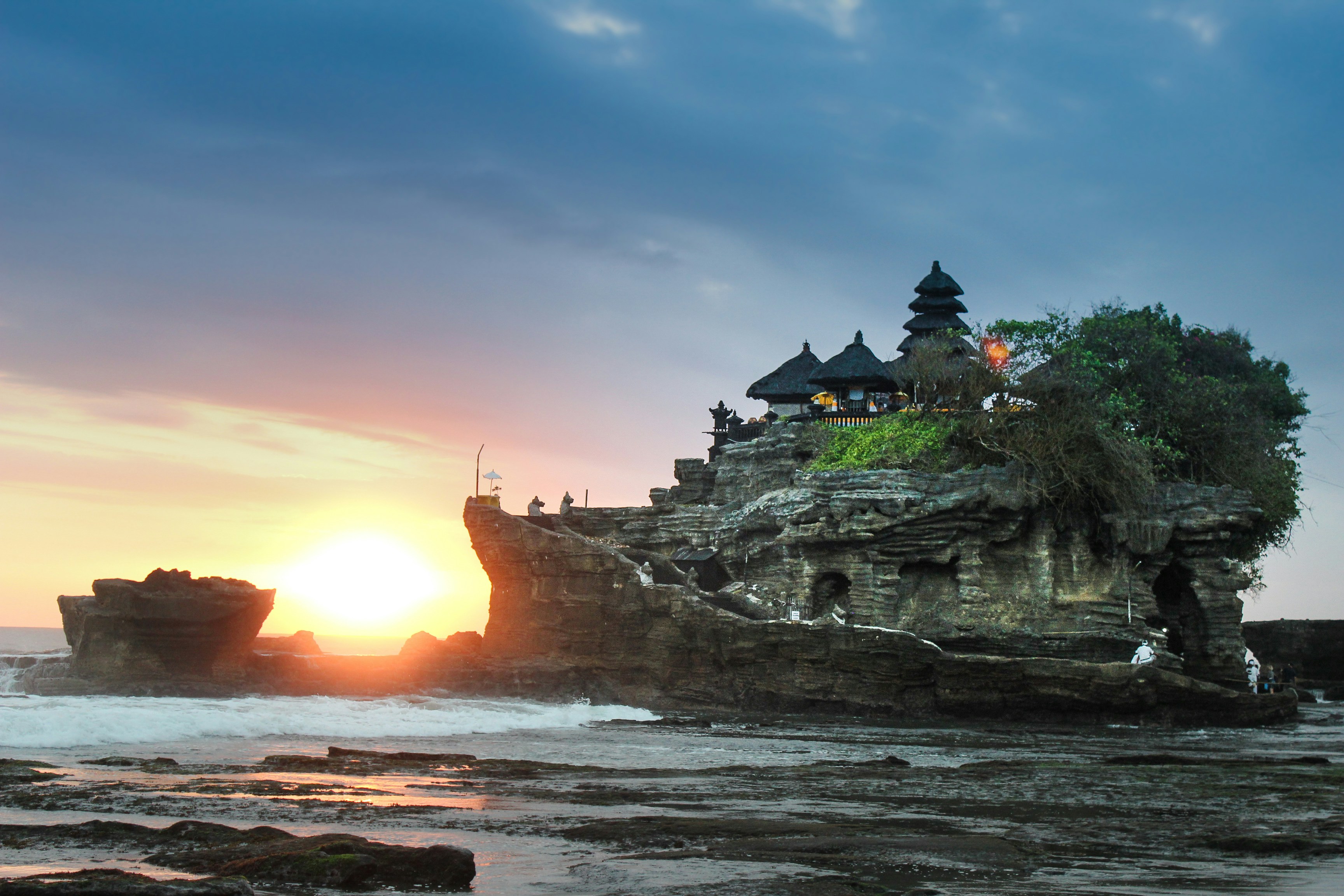
Ubud is one of the best places to visit in Bali if you want traditional arts, temple visits, rice-field scenery, and a base away from the main southern beaches. The town combines galleries, craft shops, cultural performances, restaurants, and access to surrounding villages.
Start with the Tours and Activities section to explore options for cultural experiences and guided excursions. Allow time to walk around central Ubud instead of planning a full day of driving between distant attractions.
What to do in Ubud
- Visit Ubud Palace and explore the surrounding streets.
- Browse local crafts and artwork at Ubud Art Market.
- Attend a traditional Balinese dance performance.
- Explore nearby rice fields and rural walking routes.
Practical tip: Stay for two nights if Ubud is a major priority. This gives you time for the town and nearby countryside without repeatedly travelling from a southern beach resort.
2. Tegallalang Rice Terraces: Best for Rice-Field Views
Tegallalang is ideal for travelers who want dramatic green rice terraces close to Ubud. The landscape illustrates Bali’s traditional agricultural heritage, with layered fields following the contours of the land.
Visit early in the morning for a more comfortable walk and potentially fewer visitors. Some viewpoints and paths charge separate admission, and cafés or recreational activities may have additional costs.
Wear shoes with good grip because steps and paths can become slippery after rain. Respect planted areas and follow signs on privately managed sections.
Allow: Two to three hours for viewpoints, walking, and a break. Combine the terraces with other nearby central Bali attractions rather than making a long cross-island journey solely for photographs.
3. Tanah Lot Temple: Best for Coastal Sunsets
Tanah Lot is a strong choice for travelers seeking a distinctive sea-temple setting and sunset photography. The temple stands on a rocky offshore formation, creating a memorable view when the surrounding sea and sky change colour in the evening.
Check tide conditions before visiting. Access to the rock formation can depend on the sea, and visitors should not assume that the temple itself is accessible at all times.
Arrive with enough time to explore the surrounding grounds before sunset. Popular viewing areas can become crowded, and traffic may increase as visitors leave.
Best combination: Pair Tanah Lot with nearby western Bali sights. Avoid scheduling it immediately after a long excursion from the island’s far north or east.
4. Uluwatu Temple: Best for Clifftop Views
Uluwatu Temple is worth visiting for its dramatic position above the Indian Ocean and its traditional Kecak dance performances. The temple is located on the Bukit Peninsula, where cliffs, surf beaches, and ocean viewpoints define the landscape.
Plan your visit around the performance schedule if you want to see the Kecak dance. Tickets, entry arrangements, and show availability can change, so confirm details before travelling.
- Wear comfortable shoes for walking around the temple grounds.
- Keep phones, glasses, and loose belongings secure around monkeys.
- Arrive early if you want both the temple visit and a performance.
- Respect temple dress requirements and restricted areas.
Planning note: Combine Uluwatu with nearby southern beaches instead of travelling to central Bali on the same afternoon. The road journey can take longer than expected.
5. Nusa Penida: Best for Dramatic Island Landscapes
Nusa Penida is one of the best places to visit in Bali for travelers who want dramatic cliffs, turquoise water, and striking coastal viewpoints. Popular sights include Kelingking Beach, Broken Beach, and Angel’s Billabong, although reaching them can involve uneven paths and steep sections.
Fast boats commonly connect Sanur with Nusa Penida, but departure times and crossing conditions vary. Check the return schedule before committing to a day trip.
Should you visit Nusa Penida for one day or overnight?
A day trip can work if you focus on one side of the island. An overnight stay gives you more flexibility and reduces the pressure to fit several distant sights into a single day.
Roads can be narrow, uneven, and slow to navigate. Use a suitable local driver or an organized tour if you are unfamiliar with the island, and avoid risky cliff-edge photographs.
Best for: Photography, sightseeing, and coastal scenery. It is less suitable for travelers who want a relaxed day with minimal transport.
6. Sanur: Best for a Relaxed Beach Stay
Sanur is a good choice for travelers who prefer a calmer coastal atmosphere, a seaside walking path, and convenient access to boats departing for nearby islands. Its pace is generally more relaxed than the busier resort areas of southwest Bali.
Walk along the beachfront in the morning, explore local cafés, or arrange a boat trip when sea conditions permit. Swimming conditions vary by beach section and tide, so follow local signs and advice.
Sanur can be a useful base for families and visitors who do not want to spend every evening in a busy entertainment district. Compare accommodation options through Hotels and Accommodations before deciding where to stay.
7. Seminyak: Best for Shopping and Restaurants
Seminyak suits travelers who want a developed resort area with restaurants, boutiques, accommodation choices, and access to the beach. It is convenient for visitors who prefer to combine sightseeing with shopping and dining.
Spend time browsing local shops, enjoying the beach, or visiting nearby attractions. Accommodation and dining costs vary considerably by location and season, so compare the total price rather than judging a property by its nightly rate alone.
Seminyak is not the best choice for everyone. Visitors seeking quiet rural landscapes may prefer Sidemen or Munduk, while travelers focused on temple visits may find Ubud more convenient.
8. Canggu: Best for Surf Lessons and Café Culture
Canggu is popular with travelers interested in surf lessons, cafés, creative spaces, and a lively coastal community. The area offers a different experience from Bali’s traditional villages and quieter eastern coast.
Beginners should choose a surf lesson suited to local wave conditions and their ability. Beaches are not equally suitable for swimming, and strong currents may make some sections unsafe.
Traffic and road congestion can be significant. If Canggu is your base, group nearby activities together and leave extra time for transfers to the airport or other regions.
9. Mount Batur: Best for Sunrise Hiking

Mount Batur is a popular option for travelers who want an active sunrise experience and views across Bali’s volcanic landscape. The hike typically starts well before dawn, making it very different from a relaxed beach morning.
Arrange transport and confirm trail conditions in advance. Wear shoes with good grip, bring warm layers, and carry water. The summit can be cold, and weather can affect visibility.
Choose a reputable guide when required or appropriate for your route, and do not attempt a hike in conditions beyond your experience. Travelers with limited mobility or health concerns should assess the physical demands before booking.
Time required: Reserve much of the early morning, including transport and recovery time. Avoid scheduling another demanding excursion immediately afterwards.
10. Ulun Danu Beratan Temple: Best for Lake and Mountain Scenery
Ulun Danu Beratan Temple is a scenic highland attraction beside Lake Beratan in the Bedugul area. The temple complex, water, and surrounding mountains provide a different setting from Bali’s coastal shrines.
Expect cooler temperatures than on the southern coast, and carry a light jacket or rain layer. Mist and cloud can alter the views, so leave room in your itinerary for changing conditions.
Combine the temple with nearby highland attractions rather than adding it to a packed day that already includes distant southern beaches. The journey can be tiring when traffic or weather slows the drive.
11. Tirta Empul Temple: Best for Cultural Understanding
Tirta Empul offers visitors an opportunity to learn about Balinese Hindu traditions and the cultural importance of sacred spring water. The temple is associated with purification rituals and remains an active place of worship.
Dress respectfully, follow posted rules, and ask staff about the correct procedure before entering ritual areas. Visitors should not treat religious ceremonies as staged entertainment or enter restricted spaces for photographs.
Allow time to observe the architecture and learn about the site’s significance. A knowledgeable local guide can add context that is easy to miss during a quick visit.
12. Sidemen: Best for a Quieter Rural Escape
Sidemen is ideal for travelers who want rural scenery, rice fields, village landscapes, and a slower pace away from Bali’s busiest resort districts. The area in eastern Bali offers a different kind of holiday, centred on scenery and local life rather than a packed attraction schedule.
Consider a village walk, a guided countryside excursion, or a stay with views across the surrounding landscape. Local roads can be narrow, and transport options may be more limited than in major resort towns.
Sidemen is especially worthwhile for travelers who have several days in Bali and want to experience more than the island’s familiar southern coastline.
13. Amed: Best for Snorkelling and Diving
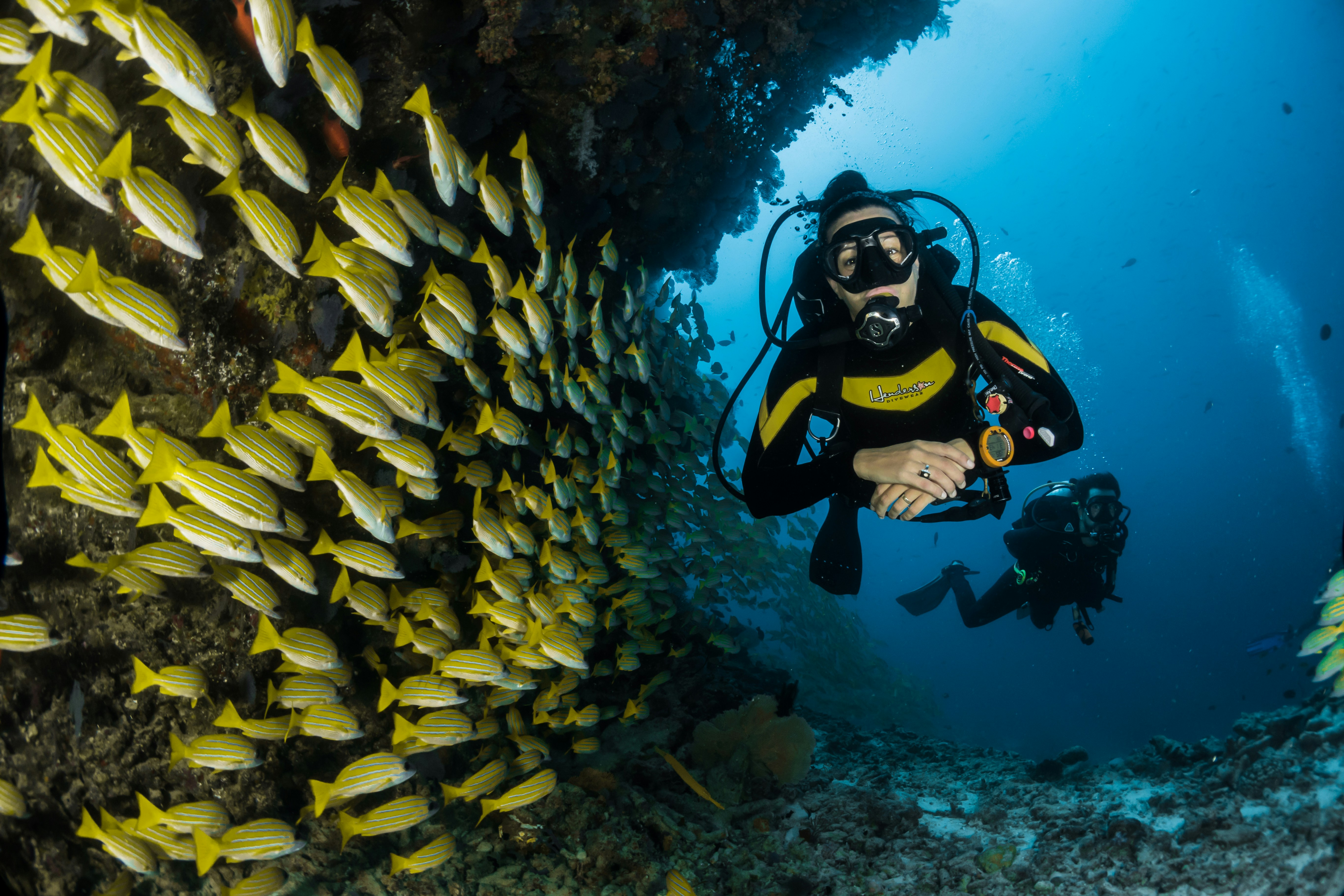
Amed is a strong choice for travelers interested in snorkelling, diving, coastal villages, and views toward Mount Agung. The area has a quieter atmosphere than many southern beach districts.
Some beaches have dark volcanic sand or rocky entries rather than broad white-sand shores. Bring suitable footwear and check local sea conditions before entering the water.
For scuba diving, use a properly qualified operator and match the dive to your certification and experience. Never snorkel or dive alone in unfamiliar conditions.
Allow at least a full day if underwater activities are a priority. An overnight stay makes the journey more worthwhile than travelling from the south and returning the same day.
14. Munduk: Best for Waterfalls and Cooler Weather
Munduk is an excellent option for travelers who want green highlands, forest walks, waterfalls, and a cooler climate. Its mountain setting offers a contrast to Bali’s warmer coastal areas.
Plan a manageable walking route and check rainfall conditions. Waterfall trails may include steep steps, muddy sections, and slippery surfaces, particularly during wet weather.
Munduk works well as an overnight stop on a northern Bali itinerary. Combine nearby waterfalls and viewpoints rather than attempting to cover the entire island in a single day.
15. Jatiluwih Rice Terraces: Best for Landscapes and Walking

Jatiluwih is worth visiting for extensive rice terraces and the traditional agricultural landscape associated with Bali’s subak irrigation system. The area provides a more spacious countryside experience than some of the island’s busiest viewpoints.
Choose a walking route suited to your fitness level and available time. Respect farmland, remain on permitted paths, and avoid walking through planted areas for photographs.
Jatiluwih is particularly rewarding for travelers who value landscape, photography, and a slower pace. Check the weather before setting out because rain can make walking paths slippery.
How to Plan a Bali Itinerary Without Wasting Time
The most efficient Bali itinerary groups nearby attractions into regional days instead of crossing the island repeatedly. Although many destinations appear close on a map, traffic, narrow roads, and access conditions can make transfers lengthy.
Example: A practical 5-day Bali itinerary
| Day | Suggested plan | Why it works |
|---|---|---|
| 1 | Arrive and explore Sanur or your hotel area | Keeps the arrival day flexible |
| 2 | Ubud and Tegallalang | Groups central Bali experiences |
| 3 | Tanah Lot and nearby western attractions | Focuses on the west coast |
| 4 | Uluwatu and nearby southern beaches | Combines cliffs and coastal scenery |
| 5 | Relaxed beach morning and departure | Allows a buffer for airport transfers |
This itinerary is a starting point, not a promise that every stop will fit comfortably. If Nusa Penida is a priority, consider replacing a full sightseeing day or extending the trip to six or seven days.
For a longer holiday, add an overnight stay in Amed, Munduk, or Sidemen rather than squeezing a distant region into a single day.
How Much Should You Budget for Bali Attractions?
Your Bali sightseeing budget depends on entrance fees, transport, boat tickets, guided activities, food, and the number of destinations you visit. There is no single reliable total for every traveler because prices and tour arrangements vary.
Build your estimate using these categories:
- Temple and attraction admission.
- Private driver, scooter rental where appropriate, or organized tours.
- Boat transfers for island excursions.
- Meals, drinking water, and snacks.
- Accommodation and any additional overnight stops.
- Travel insurance and contingency money.
For example, if a hypothetical day includes IDR 100,000 in admission, IDR 250,000 for shared transport, and IDR 150,000 for meals, the basic total is IDR 500,000 per person if those costs are allocated to one traveler. This is an illustrative calculation, not a quoted Bali price; actual transport charges and admission fees must be checked before departure.
Compare flights through Flights, and consider whether a bundled package tour offers better overall value than arranging every component separately.
When Is the Best Time to Visit These Bali Destinations?
The best time depends on the activities you want to prioritize, because beach visits, hiking, rice-field walks, and boat trips are affected differently by weather. Bali generally has a wetter season and a drier season, but local conditions can change and rain is possible at any time.
- Beach and coastal sightseeing: Check sea conditions, tide times, and local warnings.
- Hiking Mount Batur: Check visibility, trail conditions, and forecast information before booking.
- Rice terraces and waterfalls: Expect greener landscapes in wetter periods, but take extra care on slippery paths.
- Temple visits: Dress respectfully and check opening arrangements or ceremonial restrictions.
Consult Indonesia Travel’s official Bali destination guide for additional destination context, and verify current local conditions before finalizing activities.
Important Travel Tips Before You Go
A smoother Bali trip starts with realistic travel times, suitable transport, respectful temple visits, and checks on current entry and activity requirements. These practical details can matter as much as choosing the destinations themselves.
- Check current Indonesian entry requirements and any applicable tourist levy through official channels.
- Confirm boat departure and return arrangements before visiting Nusa Penida.
- Use suitable transport and avoid driving unfamiliar routes when tired.
- Carry water, sun protection, and appropriate footwear for outdoor excursions.
- Follow local safety instructions around cliffs, beaches, monkeys, and hiking routes.
- Respect religious customs, dress requirements, and photography restrictions.
For broader destination research, the official Indonesia tourism website provides an overview of Bali’s cultural and natural attractions. For travel planning, you can also browse the The Offers Guy travel blog.
Frequently Asked Questions About the Best Places to Visit in Bali
These answers help you choose destinations based on trip length, interests, transport, and the type of scenery you want to experience.
What are the best places to visit in Bali for first-time visitors?
Ubud, Uluwatu, Tanah Lot, Sanur, and Tegallalang provide a balanced introduction to Balinese culture, beaches, temples, and rice-field scenery. Add Nusa Penida if you have enough time for boat transfers and island sightseeing.
How many days are enough to explore Bali?
Five days can cover several major destinations if you group them geographically. Seven to ten days offers more flexibility for an island excursion, a northern or eastern stay, and time to relax without rushing between regions.
Which part of Bali is best for beaches and swimming?
Sanur and selected southern resort beaches can suit travelers looking for beach time, while Uluwatu is known for cliffs and surf. Conditions vary by beach, tide, and weather, so check local swimming advice before entering the water.
Is Nusa Penida worth visiting on a Bali holiday?
Yes, especially for travelers interested in dramatic coastal scenery and photography. A day trip works for a focused route, while an overnight stay gives you more time and reduces pressure to visit several distant viewpoints.
What are the best quieter places to visit in Bali?
Sidemen, Munduk, and Amed are useful options for travelers seeking rural scenery, highland landscapes, or a slower coastal atmosphere. They require additional planning because transport and travel times differ from those in major resort areas.
Can you explore Bali without renting a scooter?
Yes. You can arrange a private driver, use organized tours, and select accommodation near the places you want to explore. Compare the full cost and convenience of each option, especially for destinations with limited public transport.
Which Bali destinations are best for nature lovers?
Jatiluwih and Tegallalang offer rice-field landscapes, Munduk is known for waterfalls and highlands, Mount Batur offers a volcanic hiking experience, and Nusa Penida provides dramatic coastal views. Choose based on your fitness, available time, and weather conditions.
Are Bali temples open to all visitors?
Many temples welcome visitors under specific rules, but access can vary during ceremonies or in restricted areas. Follow dress requirements, respect worshippers, and check current entry arrangements before visiting.
How can I avoid spending too much time in traffic in Bali?
Choose one region per sightseeing day, start early for popular attractions, and avoid scheduling distant destinations back-to-back. Staying overnight in a northern or eastern area can be more practical than returning to southern Bali after every excursion.
What should I check before booking a Bali tour?
Check the itinerary, transport arrangements, included entrance fees, cancellation policy, group size, safety provisions, and any additional charges. For boat trips and outdoor activities, confirm weather-related arrangements and the operator’s current procedures.
Final Takeaway: Choose Bali Destinations by Region
The best places to visit in Bali are the ones that match your interests and fit comfortably into a realistic itinerary. Start with Ubud for culture, Uluwatu for cliffs and coastal views, and Sanur for a relaxed base. Add Nusa Penida, Munduk, Amed, Sidemen, or Jatiluwih when your schedule allows more exploration.
Prioritize a few memorable experiences rather than trying to visit every attraction. Allow for traffic, weather, boat schedules, and rest, and verify current fees and entry requirements before you travel.
Explore The Offers Guy for more travel resources, accommodation research, flight options, and activity-planning ideas.