Finding free things to do in Rome is easier when you focus on the city’s historic streets, public squares, fountains, churches, viewpoints and green spaces. You can experience much of Rome’s character without buying an attraction ticket every day, provided you plan your route carefully and understand which famous landmarks are free to admire from outside.
This guide covers 17 free activities in Rome, Italy, including practical visiting tips, a walkable one-day itinerary, budget considerations and official resources for checking access. It is especially useful for first-time visitors, families and travelers trying to keep sightseeing costs under control.

What Are the Best Free Things to Do in Rome?
The best free things to do in Rome include visiting Trevi Fountain, exploring historic piazzas, walking through Trastevere, enjoying public gardens and admiring ancient landmarks from outside. Several churches also offer free entry, although security checks, religious services, dress requirements and temporary restrictions can affect access.
The most important distinction is between seeing a landmark for free and entering its paid areas. The Colosseum’s exterior is free to view, but entering the monument requires a ticket. The same principle applies to the Pantheon, where admission rules for the interior differ from those for the surrounding square.
1. Visit Trevi Fountain

Trevi Fountain is a must-see Roman landmark that you can admire without purchasing a standard attraction ticket. Its sculpted figures, monumental stonework and dramatic setting make it a memorable stop for photographers and first-time visitors.
Arrive early in the morning if you want a calmer atmosphere. Late evenings can also be attractive, although crowd levels vary by season and day.
- Allow around 15–30 minutes for a short visit.
- Keep your belongings secure in crowded areas.
- Follow current local rules about access to the fountain and any restricted areas.
Trevi Fountain is a good starting point for a self-guided walk toward the Spanish Steps and the Pantheon area. Before your trip, check the official Rome tourism website for visitor notices and destination information.
2. Climb the Spanish Steps
The Spanish Steps offer a free way to enjoy historic architecture and the atmosphere of central Rome. The staircase connects Piazza di Spagna with the Trinità dei Monti church above it, creating one of the city’s best-known public settings.
Visit in the morning for a more relaxed walk, or come later to enjoy the surrounding streets and window-shopping areas. The steps are a public monument, not a place to sit, eat or obstruct other visitors; follow posted rules.
Combine this stop with Trevi Fountain to avoid unnecessary transport costs. If you are arranging a wider trip around Italy, the practical planning advice in our guide to planning a trip from scratch can help you organize sightseeing by location.
3. Admire the Pantheon from Outside

You can appreciate the Pantheon’s imposing portico and historic surroundings from the public square without buying an interior admission ticket. This is a useful option for travelers who want to experience ancient Roman architecture on a tight budget.
The surrounding Piazza della Rotonda is also worth exploring. Look at the massive columns, observe the building’s proportions and take time to notice how the historic structure fits into the modern city.
Entering the Pantheon is a separate matter: admission rules and exemptions can change. Consult the official Pantheon information page before planning an interior visit.
4. Explore Piazza Navona
Piazza Navona is a free public square where you can enjoy Baroque architecture, fountains and the lively atmosphere of central Rome. Its elongated shape follows the footprint of an ancient stadium, giving the square an unusual layout.
Walk around the square to admire the fountains and surrounding façades. Street performers and temporary activities may appear, but their presence is not guaranteed.
Restaurants around popular squares can be more expensive than places on quieter nearby streets. If you want to protect your budget, compare menus before sitting down and use the square itself as the main experience.
5. See the Colosseum from Outside

You can view and photograph the Colosseum from public areas around the monument without paying for an interior visit. The exterior gives you a sense of the scale of this ancient amphitheater and its importance in Roman history.
Walk around the accessible public approaches and choose a viewpoint that does not block pedestrian traffic. For a budget-friendly visit, combine the exterior with nearby streets and public viewpoints around the archaeological area.
Do not assume that free exterior access includes the arena, underground spaces or archaeological interiors. Check the official Colosseum Archaeological Park website for current tickets, restrictions and access details.
6. View the Roman Forum from Public Viewpoints
Public viewpoints around the Roman Forum allow you to appreciate the ancient ruins without purchasing an archaeological-site ticket. Columns, ruined temples and surviving structures reveal how central this area was to ancient Roman civic life.
Look for accessible viewpoints along surrounding public streets, especially routes near Via dei Fori Imperiali. The view varies with your position, and entering the archaeological area requires the applicable admission ticket.
Bring comfortable walking shoes because the surrounding streets and archaeological district can involve substantial walking. Combine this stop with the Colosseum exterior rather than traveling across the city just for a brief view.
7. Visit St. Peter’s Basilica

Entry to St. Peter’s Basilica is generally free, making it one of the most significant no-ticket experiences near Rome’s historic center. Visitors should expect security screening and possible queues, especially during busy travel periods and religious events.
Dress respectfully, follow the instructions of staff and check for closures before setting out. Access to the dome, guided experiences and certain special areas may require separate arrangements or payment.
Vatican City is an independent state surrounded by Rome, so check official visitor information before visiting. The official St. Peter’s Basilica website is the best starting point for current access and visitor guidance.
8. Walk Through Trastevere
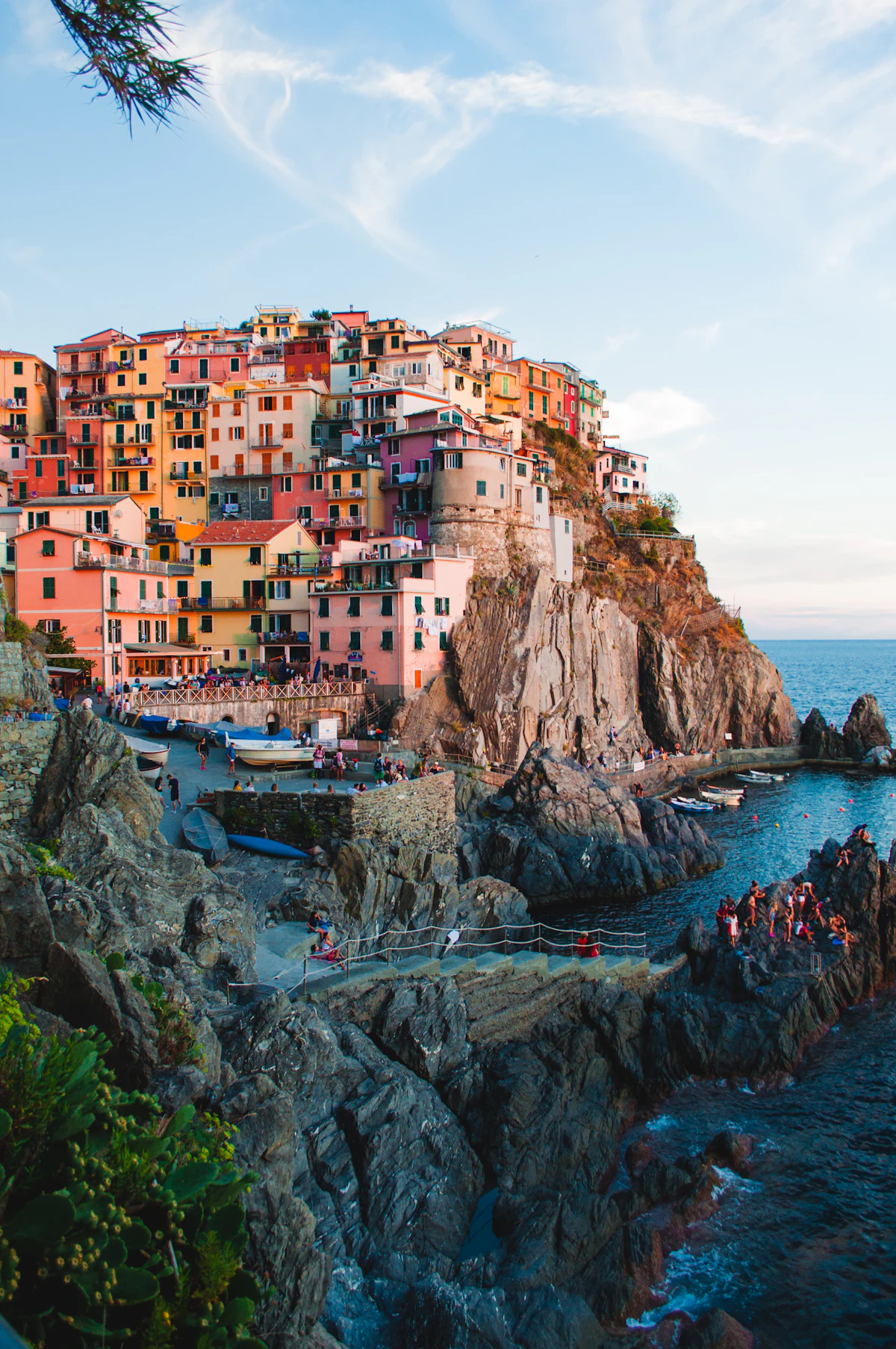
Trastevere is ideal for a free walk through narrow streets, small squares, historic façades and neighborhood lanes. The district’s appeal comes from exploring at your own pace rather than following a paid attraction schedule.
Visit during daylight to appreciate the architecture and quieter side streets. You can also explore the area around Piazza di Santa Maria in Trastevere and check whether the church is open to visitors.
Food, shopping and organized tours cost extra, so you can keep this activity free by treating it as a walking experience. Allow 45–90 minutes if you want to explore without rushing.
9. Explore Villa Borghese Gardens
Villa Borghese offers a spacious public park for walking, relaxing and enjoying green surroundings away from the busiest historic streets. The grounds are a good option for families, couples and travelers who need a break from monuments.
Walk along the paths, find a shaded place to rest and enjoy the views around the park. The gardens themselves can be explored without a general park admission ticket, but museums, galleries, rentals and some attractions within the grounds charge separately.
Plan a visit when you have time to slow down. A park break can also reduce the temptation to spend money in crowded tourist areas throughout the day.
10. Enjoy the Views from Janiculum Hill

Janiculum Hill, also called Gianicolo, is a rewarding place to enjoy broad views across Rome without paying for an observation deck. It is especially appealing to visitors who enjoy photography and scenic walks.
Getting there involves an uphill walk from some parts of the city, so allow time and carry water in warm weather. Check your route before leaving, especially if you are visiting with children or anyone who has difficulty walking uphill.
Sunset can be beautiful, but daylight conditions, weather and crowd levels vary. Keep the visit flexible rather than relying on a particular view or event.
11. Visit the Orange Garden
The Orange Garden, or Giardino degli Aranci, is a public garden on the Aventine Hill known for its peaceful atmosphere and views over Rome. It provides a quieter alternative to some of the city’s busiest central landmarks.
Combine the garden with a walk through the Aventine neighborhood. The area is well suited to a slower itinerary, especially if you have already spent several hours among major monuments.
Check local opening hours and access notices before visiting because public garden schedules may vary. Allow around 20–40 minutes for the garden and nearby streets.
12. Look Through the Aventine Keyhole
The Aventine Keyhole is a distinctive free sightseeing stop where a carefully framed view reveals St. Peter’s Basilica through a keyhole in a gate. Its appeal comes from the unusual perspective rather than the size of the attraction.
The keyhole is associated with the gate of the Priory of the Knights of Malta. Visitors should remain in public areas, respect the property and avoid blocking the sidewalk while waiting.
Combine it with the Orange Garden to make the uphill journey more worthwhile. Access to the keyhole’s view depends on the gate and surrounding conditions, so do not treat the sightline as guaranteed.
13. Explore Campo de’ Fiori
Campo de’ Fiori is a historic public square where you can observe local city life and explore the surrounding streets without an admission ticket. Market activity is generally associated with mornings on operating days, but the stalls and schedule can change.
Walk through the square, observe the market atmosphere when present and explore nearby lanes on foot. Buying produce, gifts or snacks is optional, so browsing can remain a free activity.
For a more practical experience, visit earlier in the day if you want to see market activity. Check local conditions before traveling specifically for a market visit.
14. Discover Historic Churches
Several churches in Rome can be visited without an entrance ticket, offering opportunities to appreciate religious art, architecture and historic interiors. However, admission policies, opening hours and access during services differ by church.
Depending on your route, consider checking visitor access for churches such as Santa Maria in Trastevere or Santa Maria Maggiore. Verify the current arrangements before visiting rather than assuming every building is open throughout the day.
- Dress respectfully and follow posted rules.
- Keep your voice low and avoid disrupting worship.
- Ask before photographing restricted areas or services.
- Check for temporary closures or security restrictions.
Church visits work especially well between outdoor sightseeing stops because many are located near established walking routes.
15. Walk Along the Appian Way

The Appian Way is a historic road that offers a memorable outdoor walk through Rome’s archaeological landscape. You can explore accessible public sections without buying a ticket for every surrounding attraction.
Plan the route carefully because the Appian Way is not simply another compact central attraction. Travel to the starting point may cost money, and access to catacombs, monuments or archaeological sites along the route may require tickets.
Wear suitable shoes, bring water and check local transport arrangements. The Rome tourism portal can help you research routes and official visitor information.
16. Stroll Beside the Tiber River
A walk beside the Tiber River provides a free way to see Rome from a different angle and connect several parts of the city on foot. Bridges, riverside views and changing perspectives make this a useful addition to a self-guided itinerary.
Choose a convenient section near your other activities instead of attempting a long riverside walk without planning. Some lower riverside paths may be affected by weather, maintenance or water levels, so use accessible routes and follow local signs.
This activity is particularly useful when you want a quieter break between major sightseeing stops without paying for another attraction.
17. Discover Rome’s Street Art
Exploring Rome’s street art and contemporary neighborhood details is a free way to see parts of the city beyond the classic monuments. Murals, painted walls and creative public spaces can reveal a different side of Roman culture.
Look for publicly visible artwork in neighborhoods outside the main tourist circuit, and plan a route before setting out. Artwork can change, and some locations may require extra travel time.
Respect residential areas, avoid entering private property and take photographs without obstructing residents. For a budget-conscious traveler, this is a useful alternative to filling every day with paid tours.
How to Plan a Free One-Day Walking Route in Rome
The easiest way to enjoy free sightseeing in Rome is to group nearby landmarks together and minimize unnecessary transport. The following sample route concentrates on the historic center and can be adapted to your pace, opening hours and crowd conditions.
- Early morning: Start at Trevi Fountain, then walk toward the Spanish Steps.
- Late morning: Continue toward the Pantheon and explore Piazza Navona.
- Lunch break: Find an affordable meal away from the busiest tourist-facing terraces, or bring suitable snacks.
- Afternoon: Walk toward the Colosseum exterior and public viewpoints around the Roman Forum.
- Alternative afternoon: If you prefer a slower day, replace the archaeological area with Trastevere and a riverside walk.
This is a walking plan, not a guarantee that every stop will be uncrowded or accessible at all times. Expect breaks, queues in busy areas and extra time for photographs.
If you are building a wider European itinerary, our guide to traveling Europe on a budget explains how transport, accommodation and activity choices affect the overall trip cost.
How Much Money Can Free Rome Activities Save?
Free sightseeing can reduce attraction spending substantially, but the actual saving depends on which paid activities you would otherwise have purchased. The following example is an illustration, not a current ticket-price estimate.
| Daily sightseeing plan | Illustrative cost per person |
|---|---|
| Three paid attractions at an assumed €20 each | €60 |
| Free outdoor sightseeing | €0 admission |
| Illustrative difference | €60 |
The example assumes three attractions that would each cost €20. Actual admission prices vary, and this comparison excludes food, transport, special reservations and optional purchases.
Use this simple formula when making your own budget:
Potential attraction savings = paid activities you skip − any replacement activity costs.
For a realistic total trip budget, also account for accommodation, meals and airport transfers. Our guide to practical budget travel tips explains how to compare the complete cost rather than focusing on one expense.
How to Keep a Free Rome Day Genuinely Affordable
Choose a walkable cluster of attractions, carry water where appropriate, plan meals and check transport costs before leaving your accommodation. Free admission does not automatically make a day inexpensive if you spend heavily getting between locations.
- Group nearby sights: Visit the Spanish Steps, Trevi Fountain and Pantheon area on the same outing.
- Check your accommodation location: A well-connected base can reduce daily transport spending.
- Plan meals: Compare menus and avoid choosing a restaurant solely because it is beside a famous landmark.
- Verify free access: Check whether an interior, garden, church or archaeological area has separate entry conditions.
- Keep a flexible alternative: If a site is crowded or closed, switch to another nearby public square or walking route.
Before booking accommodation, compare location and total cost using our hotel and accommodation resources. A convenient location can make a bigger difference to your total budget than a small reduction in the nightly room rate.
Common Mistakes to Avoid When Sightseeing in Rome for Free
Assuming Every Famous Interior Is Free
Always distinguish exterior sightseeing from entry to a monument or museum. The Colosseum exterior and the Pantheon square can be enjoyed without an interior ticket, but entry conditions for their interiors are different.
Planning Too Many Stops in One Day
Choose a manageable route instead of trying to visit all 17 places in one day. Walking, queues, weather and rest breaks can take longer than expected.
Ignoring Transport Costs
Check the cost and time needed to reach outlying attractions before adding them to your itinerary. The Appian Way and hilltop viewpoints can be worthwhile, but they may require extra travel compared with central landmarks.
Forgetting Local Rules and Closures
Check official visitor information shortly before your visit. Religious events, restoration work, crowd management and temporary restrictions can affect access.
Frequently Asked Questions
What are the best free things to do in Rome for first-time visitors?
Start with Trevi Fountain, the Spanish Steps, Piazza Navona, the Pantheon exterior and the Colosseum exterior. These stops introduce you to Rome’s architecture and historic atmosphere without requiring an interior attraction ticket.
Can you visit Rome on a budget using only free attractions?
Yes, you can build a sightseeing-focused day around public squares, outdoor landmarks, neighborhood walks, parks and selected churches. However, accommodation, meals, airport transfers and some local transport still cost money.
Is the Colosseum free to visit in Rome?
You can admire the Colosseum from accessible public areas outside without an entry ticket. Access to the interior and archaeological areas requires the applicable ticket, so check the official Colosseum website before visiting.
Can tourists enter St. Peter’s Basilica for free?
Entry to St. Peter’s Basilica is generally free, but security screening and queues may apply. Special areas, including the dome, may have separate charges or arrangements. Confirm current information with the official basilica website.
Is the Pantheon free to enter in Rome?
Do not assume interior admission is free. You can view the exterior and surrounding public square without purchasing an interior ticket, while current interior admission rules and exemptions should be checked through the official Pantheon information page.
What can families do for free in Rome?
Families can explore public squares, walk through Trastevere, visit public gardens, enjoy outdoor views and admire major monuments from outside. Keep walking distances manageable and schedule breaks for water, snacks and rest.
What is the best free walking route in Rome?
A practical central route links Trevi Fountain, the Spanish Steps, the Pantheon exterior and Piazza Navona. Add the Colosseum exterior if you have enough time and energy, or save it for another day.
How can I find updated information about free attractions in Rome?
Check the official Rome tourism portal and the official website of each monument or church. These sources are more reliable than old travel posts for current access conditions, closures, ticket rules and visitor restrictions.
Final Takeaway
The best free things to do in Rome combine famous outdoor landmarks with neighborhood walks, historic churches, gardens and scenic viewpoints. Start with the historic center, group nearby stops together and add outlying places only when you have enough time.
You do not need to pay for every major attraction to experience Rome’s history and atmosphere. With a sensible walking route and up-to-date access information, you can create a rewarding sightseeing day while keeping admission costs low.
For more practical planning advice, explore The Offers Guy’s guides to planning a trip from scratch, traveling Europe on a budget and choosing accommodation.