Where to stay in Rome depends on your budget, sightseeing plans, and preferred atmosphere. Centro Storico is the best starting point for first-time visitors who want to walk between famous landmarks, while Monti offers convenient access to ancient Rome. Trastevere suits travelers who enjoy lively evenings, Prati is ideal for Vatican visits, and the Termini area can simplify train connections and budget travel.
This guide to where to stay in Rome compares nine neighborhoods, explains their advantages and disadvantages, and helps you choose accommodation without paying extra for a location that does not suit your itinerary.

Which Area Is Best to Stay in Rome?
Centro Storico is usually the most convenient area for a first visit, while Monti is an excellent alternative for travelers prioritizing the Colosseum and Roman Forum. Other neighborhoods offer better combinations of quieter streets, transport connections, local character, or accommodation value.
Rome is a large city with attractions spread across several districts. Choosing a hotel solely because it looks inexpensive can mean spending additional time and money traveling between the hotel and the places you want to visit.
Use these recommendations as a starting point:
- First-time visitors: Centro Storico for historic sights and walkability.
- Ancient Roman history: Monti for convenient access to the Colosseum and Roman Forum.
- Couples and evening dining: Trastevere for picturesque streets and restaurants.
- Families: Prati for a more residential atmosphere and Vatican access.
- Budget-conscious travelers: Termini and Esquilino for transport connections and a wide choice of accommodation.
- Shopping: The Spanish Steps and Tridente area.
- Local food and markets: Testaccio.
- Peace and greenery: Aventine Hill.
- Longer stays: San Giovanni for residential surroundings and metro access.
Before choosing, browse the accommodation resources in The Offers Guy’s hotels and accommodations guide to compare the types of places available for your trip.
Rome Neighborhoods Compared at a Glance
The best neighborhood depends on which attractions you want nearby and how much you value convenience over accommodation cost. This table summarizes the main differences before you compare individual areas.
| Neighborhood | Best for | Transport | Main drawback |
|---|---|---|---|
| Centro Storico | First visits and sightseeing | Walking, buses | Higher accommodation prices |
| Monti | Colosseum and ancient Rome | Metro Line B | Some streets are steep or noisy |
| Trastevere | Restaurants and evening atmosphere | Trams, buses, regional trains nearby | No metro station in the main district |
| Prati | Vatican and families | Metro Line A | Longer journeys to some eastern sights |
| Termini and Esquilino | Rail connections and budget options | Metro Lines A and B at Termini | Busy streets and variable surroundings |
| Spanish Steps and Tridente | Shopping and upscale stays | Metro Line A nearby | Often expensive |
| Testaccio | Food markets and local life | Metro Line B nearby at Piramide | Less central for some landmarks |
| Aventine Hill | Quiet streets and green spaces | Metro Line B nearby | Limited accommodation choices in some parts |
| San Giovanni | Longer stays and residential surroundings | Metro Line A and local buses | Less historic-center atmosphere |
Transport convenience depends on the exact property address. A hotel advertised as being in a neighborhood may still be a considerable walk from its nearest metro station, so check the walking route before booking.
1. Centro Storico: Best for First-Time Visitors

Stay in Centro Storico if you want to explore Rome’s historic center on foot and minimize daily transport. The area around the Pantheon, Piazza Navona, and Campo de’ Fiori is especially practical for short sightseeing trips.
What makes Centro Storico a good base?
The historic center brings together grand squares, historic churches, narrow lanes, restaurants, and famous monuments. You can plan a day around several nearby attractions instead of crossing the city for every visit.
For example, combine the Pantheon with Piazza Navona and the Trevi Fountain, then continue toward the Spanish Steps if you have enough time. Walking distances vary according to your hotel location and chosen route.
Advantages of staying in the historic center
- Many major attractions are reachable on foot.
- You can return to your accommodation between sightseeing sessions.
- Restaurants, cafés, and historic squares are close by.
- A central location works particularly well for two- or three-night trips.
What should you consider before booking?
Centro Storico can be expensive, particularly during busy travel periods. Some buildings have small rooms, limited lift access, or windows facing busy streets.
Pro tip: Ask whether your room faces an internal courtyard or a busy square. A slightly quieter street can make a significant difference to sleep quality.
Best for: First-time visitors, couples, short city breaks, and travelers who prioritize walking over finding the lowest room rate.
2. Monti: Best for the Colosseum and Ancient Rome

Choose Monti if visiting the Colosseum, Roman Forum, and other ancient landmarks is a priority. This characterful neighborhood combines historic streets with independent shops, cafés, and restaurants.
Why stay in Monti?
Monti lies near the archaeological area of ancient Rome. Depending on the property, you can reach the Colosseum on foot and use Cavour or Colosseo metro stations for other journeys.
The neighborhood also works well for travelers who want a local atmosphere without moving too far from the city’s main sightseeing routes.
Benefits and drawbacks
- Benefit: Convenient access to ancient Roman landmarks.
- Benefit: Restaurants and independent shops give the area character.
- Benefit: Metro access helps with longer journeys.
- Drawback: Some streets are hilly, and lively dining areas can be noisy.
Check the location of your accommodation against the entrances to the attractions you plan to visit. A property described as being near the Colosseum may still require a longer walk than expected.
Best for: History enthusiasts, couples, solo travelers, and visitors who want a balance between sightseeing and neighborhood atmosphere.
3. Trastevere: Best for Restaurants and Evening Atmosphere

Trastevere suits travelers who want charming streets, a lively restaurant scene, and an atmospheric place to return to after sightseeing. It is particularly appealing for couples and visitors who enjoy spending their evenings exploring on foot.
What is it like to stay in Trastevere?
Located across the Tiber from much of the historic center, Trastevere features cobbled lanes, small squares, traditional restaurants, and historic churches. Its character differs from the more monument-focused streets around the Colosseum.
Visitors can explore the Basilica of Santa Maria in Trastevere and walk along the river. The neighborhood also offers access to routes toward the Gianicolo hill, known for panoramic views.
Is Trastevere convenient for sightseeing?
Yes, but you should plan your transport. Trastevere does not have a metro station in its central area, so buses, trams, walking, and nearby rail services may be more useful depending on your address.
Its evening energy is also a consideration. Accommodation beside a popular restaurant street or square may experience noise late into the night.
Pro tip: If you prefer quiet nights, choose a room away from the busiest lanes and ask about sound insulation before confirming your booking.
Best for: Couples, food-focused travelers, longer city breaks, and visitors who value neighborhood atmosphere over direct metro access.
4. Prati and the Vatican: Best for Families and Vatican Visits

Prati is a strong choice for travelers visiting the Vatican who also want wider streets, shops, and a more residential atmosphere. It can be particularly convenient for families and visitors who prefer a less hectic base after busy sightseeing days.
Why choose accommodation in Prati?
Prati sits near Vatican City and has a mix of residential buildings, shopping streets, cafés, and restaurants. Metro Line A stations such as Ottaviano and Lepanto provide connections to other parts of Rome.
Staying nearby can simplify an early visit to the Vatican Museums. However, the Vatican Museums and St. Peter’s Basilica have separate visitor arrangements, so check official opening times, entry conditions, and booking requirements.
What are the disadvantages?
- Some central Roman attractions require additional travel.
- The neighborhood is less immersed in the historic center’s atmosphere.
- Distances to the nearest metro station depend on the exact address.
Families should compare room size, lift access, breakfast availability, air conditioning, and the ability to accommodate everyone comfortably. These features can matter more than a hotel’s star rating.
For more trip-planning resources, explore tours and activities before arranging timed sightseeing visits.
Best for: Families, Vatican visitors, travelers seeking residential surroundings, and people who prefer a calmer evening environment.
5. Termini and Esquilino: Best for Budget and Transport Connections

The Termini area is practical for travelers who need convenient rail connections, airport transfers, or a broad choice of accommodation. Esquilino, which extends around the station area, also offers restaurants, shops, and everyday services.
Who benefits from staying near Termini?
Rome Termini is the city’s main railway station and an important metro interchange. Staying within a reasonable walking distance can make early departures and late arrivals easier to manage.
This area may also be worth comparing if your budget is limited. However, prices vary considerably by street, property quality, and travel dates, so do not assume every hotel near the station is inexpensive.
How to choose a hotel near Termini
- Check the exact walking route from the station to the accommodation.
- Read recent reviews that mention cleanliness, noise, and the immediate surroundings.
- Confirm the reception hours if arriving late.
- Check whether your room has air conditioning, an elevator, and suitable luggage storage.
- Compare the final price with properties in Monti and San Giovanni.
As in other major transport hubs, keep belongings secure in crowded places and choose a well-reviewed property on a street where you feel comfortable returning after dark.
Best for: Budget-conscious travelers, rail passengers, short stopovers, and visitors with early departures.
6. Spanish Steps and Tridente: Best for Shopping

Stay near the Spanish Steps if shopping, elegant streets, and convenient access to central landmarks are central to your trip. The surrounding Tridente area includes well-known shopping routes and attractive historic streets.
What makes this area different?
This part of Rome offers access to the Spanish Steps, Via del Corso, and the streets around Via Condotti. It is also well placed for exploring the Trevi Fountain and Villa Borghese, depending on your route.
Metro Line A serves the area through Spagna station, which is useful when traveling beyond the immediate center.
Is it worth the extra cost?
It may be worthwhile if you want a central base, enjoy shopping, or prefer a higher-end accommodation experience. For travelers who plan to spend most of their time outside the hotel, a less expensive neighborhood may offer better overall value.
Compare the total cost of the room rather than choosing based on photographs alone. Room size, breakfast, cancellation rules, and seasonal pricing can make two apparently similar properties very different purchases.
Best for: Shopping enthusiasts, couples, luxury-oriented travelers, and visitors who want a central location with metro access.
7. Testaccio: Best for Food Markets and Local Character
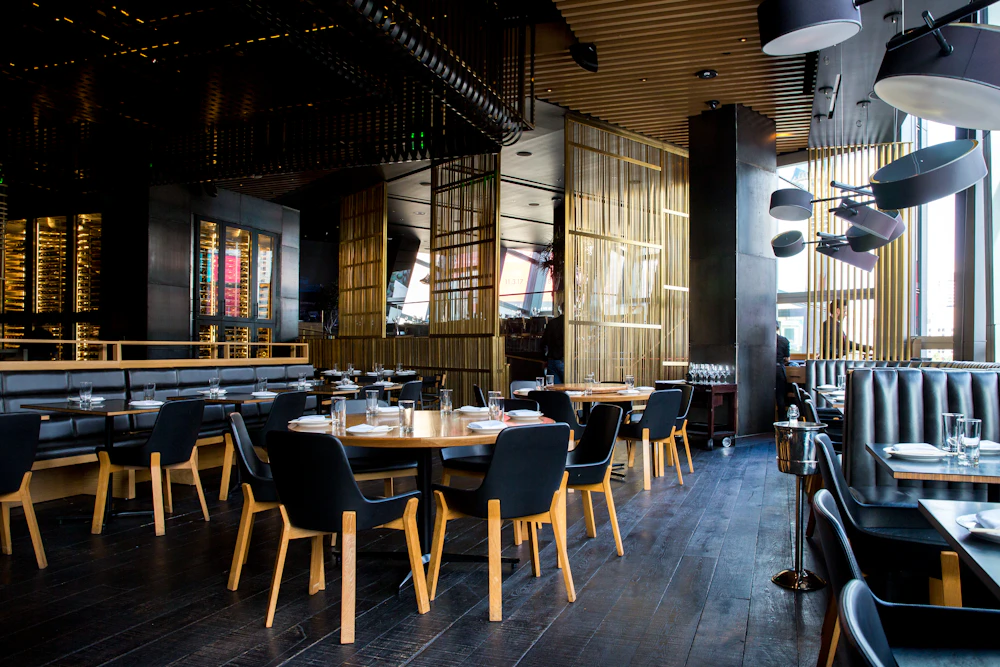
Testaccio is a good option for travelers who want to explore Roman food culture and stay outside the busiest sightseeing streets. The neighborhood has a strong local identity, market activity, restaurants, and connections to Rome’s wider transport network.
Why consider Testaccio?
Testaccio is known for its food scene and market, making it attractive to travelers who want to experience more than the city’s most famous monuments. It can also provide a different perspective on daily life in Rome.
Piramide metro station and nearby rail connections can help with journeys around the city. However, the best transport option depends on where your accommodation is located.
What should you check?
- How long it takes to reach the Colosseum and historic center.
- Whether restaurants and public transport are within comfortable walking distance.
- Whether your accommodation is on a busy street or a quieter residential road.
- Whether the savings justify any additional transport costs.
Best for: Repeat visitors, food enthusiasts, independent travelers, and people who prefer a neighborhood feel over staying beside major monuments.
8. Aventine Hill: Best for Quiet Streets and Green Spaces

Aventine Hill suits travelers who prefer a quieter base with greenery and scenic walks. The residential atmosphere can feel different from the busy squares of Centro Storico and the evening energy of Trastevere.
What can you do around Aventine Hill?
The area is associated with the Orange Garden, views across Rome, and historic churches. It also provides access to parts of the ancient city, although some journeys involve hills and longer walks.
Circo Massimo metro station on Line B can be useful for reaching other destinations. Check the route from your accommodation rather than assuming every property on the hill is close to the station.
Who should stay here?
Aventine Hill is suitable for couples, visitors seeking a peaceful retreat, and travelers who enjoy walking through green spaces. It may be less convenient if your itinerary requires several daily trips to the Vatican or northern parts of Rome.
Best for: Quiet stays, scenic walks, couples, and travelers who value a peaceful setting.
9. San Giovanni: Best for Longer Stays and Residential Comfort

San Giovanni is worth considering if you want a residential neighborhood with metro connections and access to everyday services. It can work well for longer trips when being beside every major monument is less important than comfort and value.
What makes San Giovanni practical?
The neighborhood is served by Metro Line A, with additional connections available around the wider area. Local shops, cafés, and restaurants make it suitable for travelers who prefer a more everyday urban environment.
The Basilica of St. John Lateran is a major landmark in the district. You can combine a visit with other sites around southeastern Rome before heading toward the historic center.
What is the trade-off?
San Giovanni is not as close to many central attractions as Centro Storico or Monti. You should account for metro journeys, walking time, and the cost of getting back to your accommodation after a long day.
For stays of four nights or more, compare the total accommodation savings with the added transport time. A cheaper room is not automatically better value if it makes every day harder to organize.
Best for: Longer stays, repeat visitors, families who value everyday facilities, and travelers seeking an alternative to the busiest tourist areas.
How to Choose Where to Stay in Rome
The most effective way to choose a Rome neighborhood is to start with your itinerary, set a realistic accommodation budget, and then compare the exact location of each property. This prevents you from paying for a central location you do not need or choosing a distant hotel that adds unnecessary travel time.
Step 1: List the attractions you most want to visit
Identify your main priorities before searching for rooms. If you plan to spend most of your time around the Colosseum and Roman Forum, Monti may be more convenient than Prati. If the Vatican Museums are your main priority, Prati deserves closer attention.
Step 2: Set your total accommodation budget
Calculate what you can spend on the whole stay, not just one night. Include any additional taxes, breakfast charges, transport expenses, and fees that are disclosed during booking.
For a simple comparison, use this formula:
Total stay cost = room rate × number of nights + additional accommodation charges + expected local transport costs.
For example, suppose one property costs €140 per night for three nights, while another costs €115 per night but requires €45 in additional transport. The first costs €420 before other charges, while the second costs €390. The lower nightly rate does not automatically mean a large saving.
Illustrative calculation only; these are not quoted hotel prices or current transport fares.
Step 3: Check the exact address on a map
Neighborhood names cover broad areas. Check the actual walking route to a metro station, the nearest major attraction, and the places where you expect to eat.
Look at the route for your arrival time as well. Carrying luggage over cobblestones or uphill streets can make a seemingly short distance more difficult.
Step 4: Compare the room, not just the neighborhood
- Read recent guest reviews about cleanliness and noise.
- Check air conditioning for warm-weather travel.
- Confirm whether an elevator is available if you need one.
- Review cancellation conditions and payment terms.
- Check whether breakfast, luggage storage, and reception hours meet your needs.
Step 5: Match the neighborhood to your travel style
Choose convenience if you have only a couple of days. Choose a quieter residential area if you are staying longer and do not mind using public transport. Travelers with children should also consider the walk back to the hotel after a full day of sightseeing.
How Much Does Accommodation in Rome Cost?
Accommodation prices in Rome vary by season, property quality, location, room type, and demand, so compare your exact travel dates rather than relying on a single average. Historic-center properties and sought-after shopping areas often command higher rates, while some residential neighborhoods offer alternatives.
What affects hotel prices?
- Travel season: Popular spring and autumn dates and busy summer periods can affect availability and prices.
- Location: Rooms near major monuments may cost more than comparable rooms farther away.
- Room type: Family rooms and larger accommodation usually cost more than basic double rooms.
- Booking flexibility: Refundable rates may cost more than restrictive options.
- Extra charges: Check applicable accommodation taxes and fees before confirming.
How to compare two hotel offers fairly
Suppose two properties appear similar. One includes breakfast and free cancellation, while the other has a lower advertised rate but charges separately for breakfast and offers stricter terms. Compare the final price and the value of the included services before deciding.
Do not assume a cheaper district will always save money. If you travel back and forth several times each day, transport costs and lost time can reduce the benefit of a lower nightly rate.
Note: Rome’s applicable tourist accommodation tax depends on the accommodation category and current municipal rules. Check the final booking details and official city information before budgeting.
Practical Booking Tips for Rome
Book a well-located property with clear policies, verified reviews, and suitable transport access before focusing on small differences in price. These checks can help prevent common accommodation problems.
1. Book around your itinerary
For a short stay, prioritize the neighborhood closest to your main attractions. For a longer visit, compare residential areas that provide good transport links and room facilities.
2. Read the latest guest reviews
Look for repeated comments about noise, cleanliness, room size, air conditioning, and staff communication. Recent reviews are particularly useful when facilities or management may have changed.
3. Confirm check-in and luggage arrangements
Some guesthouses and apartment-style properties have limited reception hours. Confirm your arrival time and ask about luggage storage if you arrive before the room is ready.
4. Check transport before you book
Rome’s historic center is not served by a metro station at every major landmark. Review the city’s official tourist information and transport resources at Turismo Roma and ATAC, Rome’s public transport operator.
5. Review the final booking terms
Confirm the total cost, cancellation deadline, payment schedule, taxes, and any deposit requirements. Keep your confirmation details available when you arrive.
For further travel planning, explore flight resources and airport transfer information to coordinate your arrival with your accommodation.
6. Understand your accommodation type
A hotel, guesthouse, and holiday apartment can offer very different experiences. Hotels may provide reception and housekeeping, while apartments can provide more space but may have stricter check-in arrangements.
Choose the option that suits your group and confirm that the property is appropriately registered and complies with applicable local requirements.
Frequently Asked Questions About Where to Stay in Rome
These answers address common questions about choosing a neighborhood, accommodation costs, and getting around Rome.
Where should first-time visitors stay in Rome?
Centro Storico is generally the most convenient choice for first-time visitors who want to explore the Pantheon, Piazza Navona, Trevi Fountain, and other central attractions on foot. Monti is an excellent alternative for travelers focused on the Colosseum and Roman Forum.
What is the best area to stay in Rome on a budget?
Compare Termini, Esquilino, San Giovanni, and selected properties in Monti. The best value depends on your dates, room quality, transport needs, and the full cost of the stay.
Is it better to stay near the Colosseum or the Vatican?
Choose Monti or the Colosseum area if ancient Roman sites are your priority. Choose Prati if you plan to visit the Vatican Museums and St. Peter’s Basilica. Centro Storico is a useful alternative if you want a broader mix of central attractions.
Which Rome neighborhood is best for families?
Prati is worth considering for its residential atmosphere, shops, and Vatican access. Centro Storico is convenient for families who want shorter walks to central sights, while San Giovanni can work well for longer stays. Compare room size, lifts, transport, and noise before booking.
Is Trastevere a good place to stay in Rome?
Yes. Trastevere is ideal for travelers who enjoy restaurants, historic streets, and lively evenings. However, the central neighborhood has no metro station, and some streets can be noisy late at night. Check the exact address and transport options.
Is staying near Termini a good idea?
Termini is convenient for trains, metro connections, and some airport journeys. Accommodation quality and street atmosphere vary, so check recent reviews, the exact location, and the route between the station and your hotel.
How many nights should I stay in Rome?
Two or three nights can cover a short introduction to the main sights, while four or five nights allow a more relaxed pace and time for neighborhoods beyond the historic center. Your ideal stay depends on your interests, arrival time, and planned excursions.
Should I book a hotel in Rome in advance?
Booking ahead is sensible when your travel dates are fixed, particularly during popular travel periods and major events. Compare cancellation policies and prices across several properties before confirming your stay.
Can I explore Rome without using public transport?
You can explore many central attractions on foot if you choose a convenient base in Centro Storico or Monti. However, journeys to the Vatican, more distant neighborhoods, and some transport hubs may be easier by metro, bus, or tram.
What should I check before booking accommodation in Rome?
Check the exact address, total price, cancellation terms, recent reviews, room facilities, check-in arrangements, and transport connections. Also confirm any applicable taxes or additional charges shown during the booking process.
Final Verdict: Where to Stay in Rome
For most first-time visitors, Centro Storico offers the best combination of central sightseeing and walkability, while Monti is a strong alternative for ancient Roman attractions. Choose Trastevere for lively evenings, Prati for Vatican access and a calmer residential atmosphere, or Termini for convenient rail connections.
Before booking, compare the full cost of your stay, check the exact address, and make sure the neighborhood suits your daily itinerary. The right accommodation is not necessarily the cheapest or most luxurious option; it is the one that helps you enjoy Rome comfortably without wasting time on unnecessary journeys.
Continue planning your trip with The Offers Guy, where you can explore travel resources for accommodation, flights, transfers, and activities.