The best things to do in New York City include visiting Central Park, seeing the Statue of Liberty, walking across the Brooklyn Bridge, exploring world-class museums, and experiencing Times Square after dark. For first-time visitors, the smartest approach is to group attractions by neighborhood, combine free experiences with a few paid highlights, and leave time to explore beyond the famous landmarks.
New York City offers a mix of historic landmarks, waterfront walks, architecture, museums, shopping districts, performing arts, and distinctive neighborhoods across its five boroughs. This guide covers 25 worthwhile attractions and activities, with practical tips for choosing what to see, managing your budget, and building a realistic itinerary.

25 Best Things to Do in New York City
The best New York City attractions combine famous landmarks, green spaces, cultural experiences, neighborhood walks, and skyline views. You do not need to pay for every experience to enjoy the city. Several of its most memorable sights can be explored on foot, while selected ticketed attractions add history, exhibitions, or panoramic views.
1. Visit the Statue of Liberty

The Statue of Liberty is a top choice for first-time visitors interested in American history and harbor scenery. Located on Liberty Island, the monument can be visited by ferry, with ticket options depending on whether you want island access, museum entry, or access to the pedestal or crown.
Allow several hours for the ferry journey, security procedures, and sightseeing. Reserve tickets through the official Statue City Cruises website, the authorized ferry operator, rather than buying from an unverified street seller.
2. Explore Central Park

Central Park is ideal for walking, photography, relaxing, and enjoying outdoor scenery without purchasing a general admission ticket. The park contains lakes, lawns, bridges, landscaped paths, and well-known locations such as Bethesda Terrace and Bow Bridge.
Choose a few landmarks rather than attempting to cover the entire park in one visit. The southern section works well for shorter sightseeing trips, while visitors with more time can explore farther north. Check the Central Park Conservancy visitor guide for maps, park rules, and current visitor information.
3. Experience Times Square After Dark

Times Square is worth visiting at night for its illuminated advertising screens, crowds, and lively Theater District atmosphere. Walk through the pedestrian plazas, photograph the surrounding buildings, and explore nearby streets before or after a Broadway performance.
You can experience the public square without buying an attraction ticket. Keep personal belongings secure, avoid unsolicited offers, and agree on prices before purchasing souvenirs or taking part in paid street activities.
4. Walk Across the Brooklyn Bridge
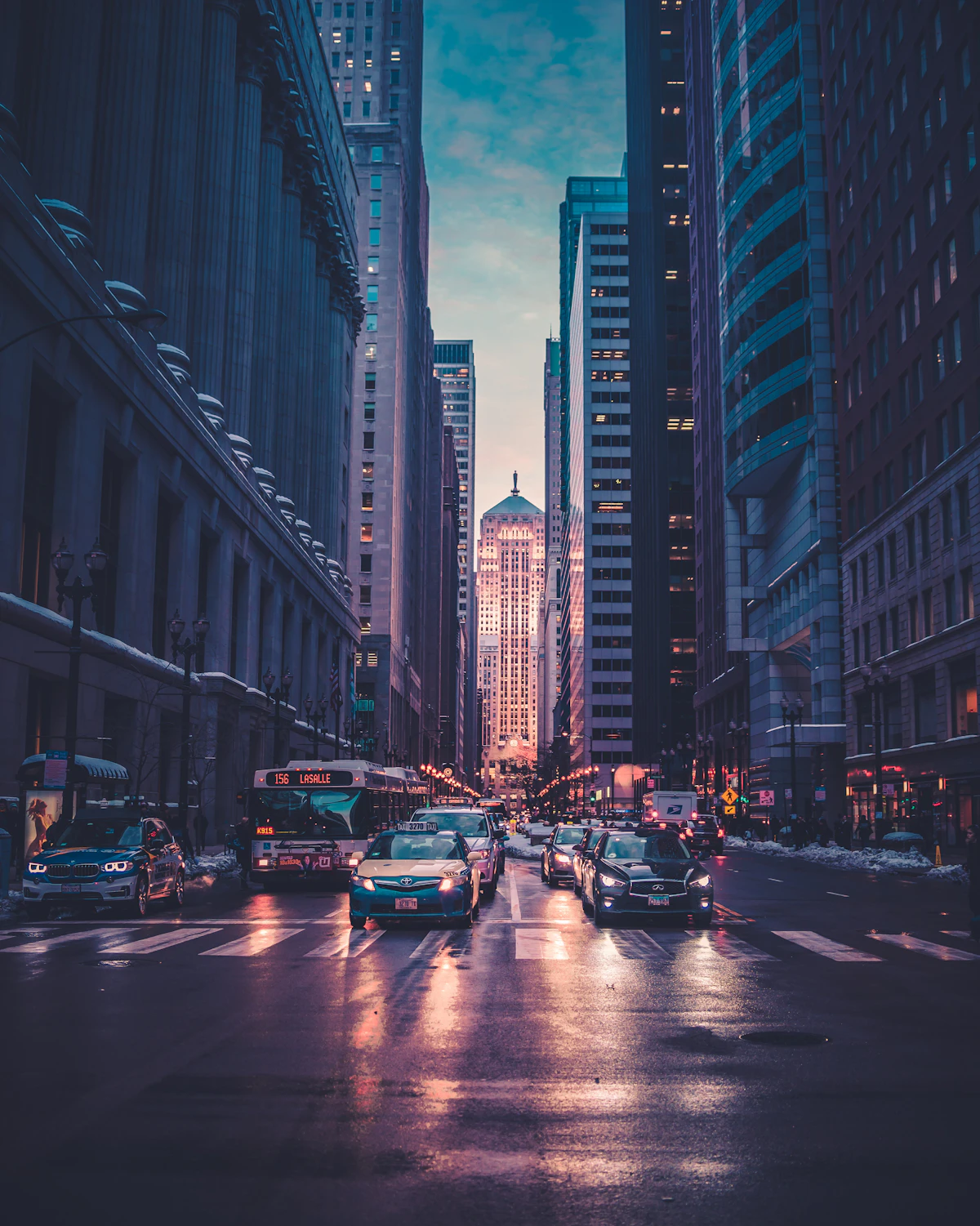
Walking across the Brooklyn Bridge is one of the best low-cost activities for architecture, photography, and skyline views. The elevated pedestrian walkway connects Manhattan and Brooklyn, making the crossing a practical part of a wider sightseeing route.
Start early if you want fewer people in your photographs. Keep to the designated pedestrian area, share the walkway respectfully with cyclists where routes intersect, and continue toward DUMBO or Brooklyn Bridge Park after reaching Brooklyn.
5. See the City from an Observation Deck
An observation deck is the best choice when you want a panoramic view of New York City’s buildings and surrounding waterways. Popular options include the Empire State Building Observatory, Top of the Rock, One World Observatory, and SUMMIT One Vanderbilt.
Choose one based on location, ticket price, weather, and the view you prefer. Buying tickets in advance can help you secure a convenient time, but check the official attraction website for admission terms, weather policies, and opening hours before booking.
6. Visit the Metropolitan Museum of Art

The Metropolitan Museum of Art is an excellent choice for visitors who want to explore art, historical objects, and cultures from around the world. Its extensive collections make it possible to spend hours examining paintings, sculpture, decorative arts, and archaeological objects.
Plan around a few collections that interest you rather than trying to see everything. Check current admission rules, visitor hours, and exhibition information on The Met’s official website before your visit.
7. Explore the High Line
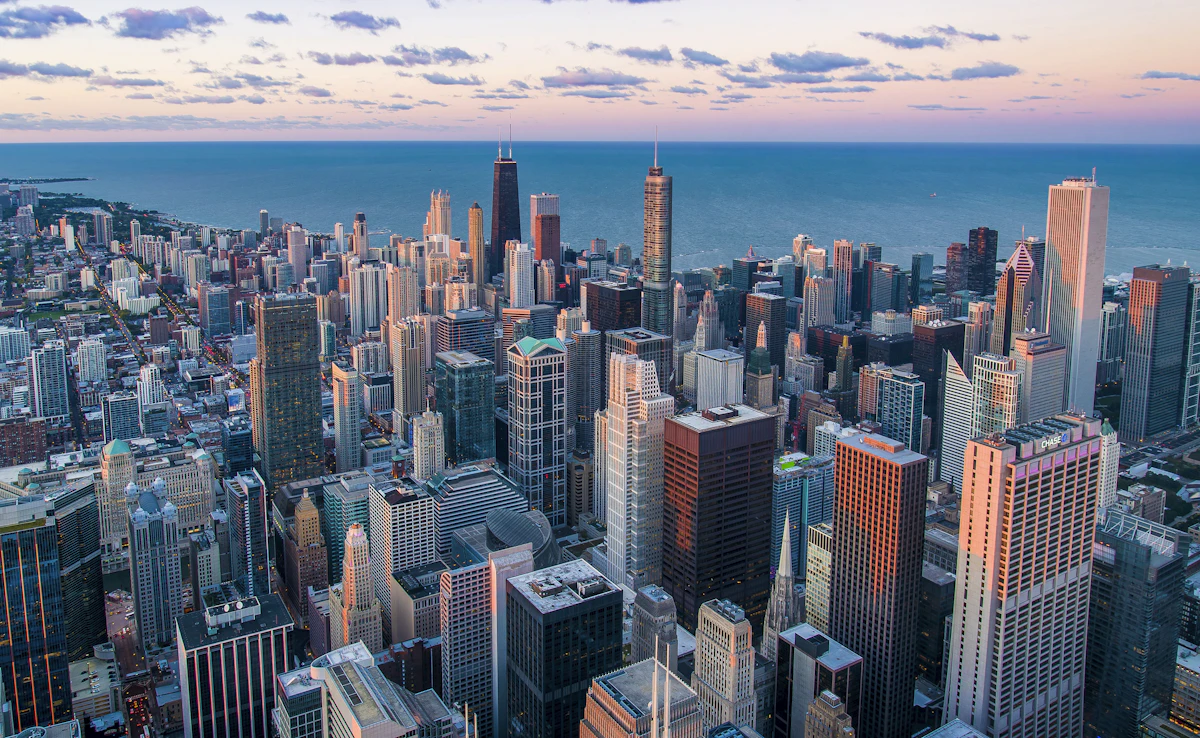
The High Line is a landscaped elevated park where visitors can walk above Manhattan’s west side and see gardens, public art, and surrounding architecture. It is particularly convenient for travelers exploring Chelsea, Hudson Yards, and the nearby waterfront.
Walk at a comfortable pace and stop at viewpoints along the route. Combine the visit with Chelsea Market for a meal or a browse through food stalls. Check the official High Line website for access information, hours, and current events.
8. Experience a Broadway Show
A Broadway performance offers a memorable way to experience New York City’s theater culture. The Theater District has musicals, plays, and productions suited to different ages and interests.
Compare show length, seating, accessibility, and ticket conditions before choosing a performance. For a more budget-conscious visit, investigate official discount-ticket options and same-day availability rather than assuming every show has inexpensive seats.
9. Visit the 9/11 Memorial and Museum
The 9/11 Memorial and Museum provide a place for remembrance and a deeper understanding of the September 11 attacks and their impact. The outdoor memorial features reflecting pools, while the museum presents historical material and personal accounts.
Allow enough time to approach the site thoughtfully. The outdoor memorial and museum have different visiting arrangements, so check the official 9/11 Memorial & Museum website for tickets, hours, and visitor guidance.
10. Explore Grand Central Terminal
Grand Central Terminal is worth visiting for its architecture, famous Main Concourse, and role in the city’s transportation network. The building is also a practical meeting point for a Midtown sightseeing route.
Look up at the celestial ceiling, notice the architectural details, and explore the public spaces without obstructing commuters. Combine Grand Central with Bryant Park, the New York Public Library, or Fifth Avenue.
11. Walk Along Fifth Avenue
Fifth Avenue is a good choice for seeing major city landmarks, historic buildings, and well-known shopping streets. You can enjoy the architecture and window displays even if shopping is not part of your budget.
Pick a manageable section instead of walking the entire avenue. The stretch around Rockefeller Center and St. Patrick’s Cathedral fits naturally into a Midtown itinerary.
12. Discover Greenwich Village
Greenwich Village is ideal for travelers who prefer neighborhood character, historic streets, cafés, and a less landmark-focused walking experience. Its streets offer a different atmosphere from the large commercial avenues of Midtown.
Explore at a relaxed pace, stop for a meal, and visit Washington Square Park. Be considerate of residents when photographing homes and quiet residential streets.
13. Explore SoHo’s Architecture and Shops
SoHo is a rewarding area for cast-iron architecture, galleries, independent shops, and fashion browsing. The neighborhood works particularly well for visitors who enjoy walking without a strict attraction schedule.
Combine SoHo with nearby Greenwich Village or Chinatown, but leave time for breaks. Before making purchases, compare prices and remember that shopping costs can quickly affect a sightseeing budget.
14. Visit the American Museum of Natural History
The American Museum of Natural History is a strong option for families and visitors interested in science, animals, fossils, and the natural world. Its exhibitions can fill much of a day, depending on how deeply you explore.
Identify a few priority galleries before arriving, particularly when traveling with children. Check current exhibition schedules and admission information through the museum’s official website.
15. See the New York Public Library and Bryant Park
The New York Public Library’s landmark building and nearby Bryant Park make an easy combination for a short Midtown visit. The area offers architecture, public green space, and a place to take a break between major attractions.
Check which library rooms and exhibitions are open to visitors on your chosen day. Bryant Park is useful for resting, people-watching, and enjoying seasonal public programming when available.
16. Visit Rockefeller Center
Rockefeller Center is a useful stop for architecture, public art, seasonal displays, and access to the Top of the Rock observation deck. It sits within easy reach of Fifth Avenue and the Theater District.
Check seasonal activities before visiting, since specific attractions and events can operate on separate schedules. If you plan to visit an observation deck, compare its views and price with other options before purchasing multiple tickets.
17. Take the Staten Island Ferry
The Staten Island Ferry is a practical way to enjoy New York Harbor views and see the Statue of Liberty from the water without buying a sightseeing cruise ticket. The regular passenger ferry is free and connects Lower Manhattan with Staten Island.
Stay in public passenger areas and check the current timetable before traveling. Remember that this ferry does not provide the same island access as an official Statue of Liberty visit. For planning, consult the NYC Department of Transportation ferry information.
18. Discover DUMBO in Brooklyn
DUMBO is a popular Brooklyn neighborhood for waterfront scenery, industrial architecture, and views toward Manhattan. Its streets and nearby parks make it a natural extension of a Brooklyn Bridge walk.
Explore the waterfront, photograph the surrounding architecture from public spaces, and pause for a meal or coffee. Visit outside the busiest periods if you prefer a quieter experience at well-known photography spots.
19. Relax at Brooklyn Bridge Park
Brooklyn Bridge Park offers waterfront paths, lawns, recreation areas, and striking views of Lower Manhattan. It is especially useful for travelers who want a break from indoor attractions and busy Midtown streets.
Choose a section of the park rather than rushing through the entire waterfront. Check the official park website for current facilities, events, and any temporary access restrictions.
20. Explore Chinatown
Chinatown is a worthwhile destination for discovering Chinese American culture, neighborhood shops, markets, and a wide variety of food. The best way to experience the area is to walk its commercial streets and explore at a respectful pace.
Compare menus and prices before choosing a place to eat. Chinatown also fits well into a Lower Manhattan walking day alongside nearby historic neighborhoods.
21. Walk Through Little Italy
Little Italy is a compact neighborhood to explore for its Italian American heritage, restaurants, bakeries, and busy pedestrian streets. It can be visited alongside Chinatown and SoHo without requiring a separate full day.
Check menus and prices before sitting down, particularly on the busiest restaurant streets. Treat Little Italy as one part of a wider neighborhood walk rather than assuming it requires several hours by itself.
22. Visit the Flatiron District
The Flatiron District is a good stop for architecture, photography, Madison Square Park, and a walk through central Manhattan. The distinctive Flatiron Building is a recognizable landmark, although viewing access and nearby construction can change.
Enjoy the exterior from public areas and continue to Madison Square Park for a break. This area works well between Midtown and neighborhoods farther downtown.
23. Explore Washington Square Park
Washington Square Park is a lively public space known for its arch, open areas, and connection to Greenwich Village and New York University. It offers an easy, low-cost stop between neighborhood walks.
Spend time observing the public atmosphere, relaxing on a bench, or photographing the arch. Follow posted park rules and respect performers and other visitors.
24. Visit Hudson Yards
Hudson Yards offers contemporary architecture, shopping, public spaces, and access to the western end of the High Line. It is an efficient addition to a day exploring Chelsea and Manhattan’s west side.
Choose activities according to your interests and budget, because some experiences require paid tickets while others can be enjoyed from public areas. Check access arrangements for individual attractions before making a special trip.
25. Explore a Neighborhood Beyond Manhattan
Exploring Queens, the Bronx, or another outer-borough neighborhood helps you experience more of New York City than its best-known Manhattan landmarks. The five boroughs have different cultural institutions, parks, food scenes, and local communities.
Choose one destination that genuinely interests you, such as the Queens Museum, the Bronx Zoo, or a neighborhood food walk. Check travel times and opening schedules in advance so the additional journey fits comfortably into your day.
Free Things to Do in New York City
You can experience many memorable parts of New York City without paying an attraction admission fee. Walking routes, public parks, selected waterfront experiences, and neighborhood exploration can balance a travel budget.

- Walk across the Brooklyn Bridge: Enjoy the architecture and skyline from the pedestrian walkway.
- Explore Central Park: Choose a few landmarks and walking paths for an outdoor break.
- Visit Times Square: See the illuminated screens and public plazas without buying a ticket.
- Walk the High Line: Enjoy elevated gardens and city views; check current access information.
- Ride the Staten Island Ferry: Enjoy the harbor journey on the regular free passenger service.
- Explore Greenwich Village: Discover neighborhood streets and Washington Square Park.
- Walk around Grand Central Terminal: Admire its public interior spaces while respecting commuters.
- Visit the New York Public Library’s public areas: Check visitor access and opening times first.
Free admission does not mean a completely free day. Food, local transportation, optional tours, and purchases can still add up. For more budget ideas, read our guide to activities to do in NYC for first-time visitors and our roundup of New York City tourist attractions.
A Practical Three-Day New York City Itinerary
A three-day New York City itinerary works best when each day focuses on a specific area. This reduces unnecessary travel and leaves enough time to appreciate the places you visit.
Day 1: Midtown Manhattan
- Morning: Visit Grand Central Terminal and explore the surrounding architecture.
- Late morning: Walk to the New York Public Library and Bryant Park.
- Afternoon: Explore Fifth Avenue and Rockefeller Center.
- Evening: Experience Times Square and, if your budget allows, see a Broadway show.
Choose one major ticketed experience rather than trying to fit multiple long attractions into the same afternoon. If you want an elevated view, reserve an observation deck at a time that works with your route.
Day 2: Central Park and Museum Visits
- Morning: Explore a selected section of Central Park.
- Midday: Visit the Metropolitan Museum of Art or the American Museum of Natural History.
- Afternoon: Continue exploring nearby neighborhoods or relax in the park.
- Evening: Have dinner near your accommodation or explore a neighborhood you have not visited.
Do not schedule two large museums back-to-back unless museums are your main priority. Choose the one that best matches your interests and leave time for the surrounding area.
Day 3: Lower Manhattan and Brooklyn
- Morning: Visit the 9/11 Memorial or explore the Financial District.
- Midday: Choose an official Statue of Liberty ferry trip or the free Staten Island Ferry.
- Afternoon: Walk across the Brooklyn Bridge if your route and energy allow.
- Late afternoon: Explore DUMBO and Brooklyn Bridge Park.
- Evening: Enjoy the waterfront views before returning to Manhattan.
The Statue of Liberty ferry can take several hours, so treat it as the main event rather than squeezing in every other Lower Manhattan attraction. For a broader planning framework, see our New York City travel guide for first-time visitors and our practical guide to traveling to New York City.
How to Plan Your New York City Sightseeing Trip
The most useful planning decisions are choosing a convenient base, grouping nearby attractions, checking ticket requirements, and setting a realistic daily budget. A little preparation can save hours of travel and reduce the risk of missing timed activities.
Choose Accommodation Near Your Planned Activities
Staying near a subway station can make it easier to reach attractions across Manhattan and the outer boroughs. Compare the total cost of accommodation with transport time, not just the nightly room price.
Review our hotels and accommodations resources when comparing places to stay. Check the cancellation policy, taxes, fees, room conditions, and distance to public transportation before booking.
Use Public Transportation Strategically
The subway is useful for longer journeys, while walking is often the best way to explore compact areas such as Midtown, Greenwich Village, and DUMBO. A route that combines subway journeys with neighborhood walks is usually more practical than taking a taxi between every attraction.
Check current fares, payment options, service alerts, and route changes through the official Metropolitan Transportation Authority website. Allow extra time when traveling to timed tickets or performances.
Build a Realistic Sightseeing Budget
There is no single correct budget for New York City because accommodation, travel dates, restaurant choices, and paid attractions vary widely. Instead of relying on an outdated citywide estimate, calculate your expected costs before departure.
| Budget category | What to include | How to control costs |
|---|---|---|
| Accommodation | Room rate, taxes, and mandatory fees | Compare the total price and location. |
| Transportation | Subway, buses, airport transfers, and occasional taxis | Group attractions by neighborhood. |
| Attractions | Museum admission, observation decks, tours, and shows | Prioritize the experiences you value most. |
| Food | Breakfast, lunch, dinner, snacks, and applicable tips | Compare menus and plan affordable meals. |
| Extras | Shopping, souvenirs, and unexpected costs | Set a separate spending limit. |
For a simple calculation, add your expected daily food and transportation costs to your accommodation total and planned ticket purchases. Then add a contingency for unexpected expenses. This produces a more useful personal estimate than a generic claim about what every visitor spends.
Check Opening Times and Reserve Essential Tickets
Some attractions operate with timed entry, limited capacity, or changing schedules. Check the official website for each major attraction before you finalize the day’s route.
Book the experiences that matter most first, then arrange nearby free activities around them. Keep confirmation details available offline in case mobile service is unreliable.
Pack for Walking and Changing Weather
New York sightseeing often involves more walking and standing than visitors expect. Comfortable shoes, weather-appropriate layers, a reusable water bottle where practical, and a charged phone can make long days easier.
Check the forecast before leaving each morning. In bad weather, switch to a museum, indoor landmark, or another activity that does not depend on outdoor views.
Common Mistakes to Avoid When Visiting New York City
The easiest way to improve a New York trip is to avoid overplanning, unnecessary cross-city journeys, and unverified ticket purchases. A realistic schedule usually creates a better experience than a long checklist.
- Trying to visit everything in one day: Choose a small group of nearby attractions instead.
- Booking several observation decks: Compare the views first and choose the one that best fits your plans.
- Ignoring travel time: Allow time for subway journeys, security lines, and walking between entrances.
- Assuming every attraction is free: Verify admission, special exhibitions, and optional experiences.
- Buying tickets from unofficial sellers: Use the attraction’s official booking website or a clearly authorized provider.
- Planning only around Manhattan: Consider one outer-borough destination if you have enough time.
- Leaving no flexibility: Keep room for weather changes, tired feet, and unexpected discoveries.
Frequently Asked Questions
What are the best things to do in New York City for first-time visitors?
Start with Central Park, Times Square, the Statue of Liberty or a harbor ferry ride, the Brooklyn Bridge, and one major museum or observation deck. Add Grand Central Terminal and a Broadway show if they match your interests and schedule.
What are the best free things to do in New York City?
Walk across the Brooklyn Bridge, explore Central Park, visit Times Square, walk the High Line, explore Greenwich Village, and ride the Staten Island Ferry. Check current access rules and schedules before traveling.
How many days do you need to explore New York City?
Three days can cover several major highlights if you group attractions by neighborhood. Four to five days provide more flexibility for museums, outer-borough neighborhoods, shopping, performances, and slower sightseeing.
What can you do in New York City in one day?
Focus on Midtown: visit Grand Central Terminal, walk around Bryant Park and Fifth Avenue, explore Rockefeller Center, and finish at Times Square. Add a Broadway show or an observation deck only if your schedule and budget allow.
Is New York City expensive for tourists?
New York City can be expensive, especially for accommodation and major attractions, but travelers can control some costs by using public transportation, visiting free public spaces, comparing accommodation options, and limiting paid experiences to their priorities.
What is the best time to visit New York City for sightseeing?
Spring and autumn are popular for comfortable walking weather, although conditions vary. Summer brings longer days but can be hot, while winter offers seasonal displays and colder weather. Compare weather, hotel prices, crowd levels, and the activities you want to experience.
Can you visit the Statue of Liberty for free?
You can see the Statue of Liberty from some public waterfront viewpoints and from the free Staten Island Ferry. Visiting Liberty Island requires an authorized ferry ticket, and additional access options may require separate arrangements.
Which New York City attractions should you book in advance?
Consider advance reservations for the Statue of Liberty and Ellis Island ferry, popular observation decks, Broadway performances, and timed museum or special exhibition entry. Check official availability before finalizing your itinerary.
What is the easiest way to get around New York City?
The subway is useful for longer journeys, while walking works well within individual neighborhoods. Combine both methods, check service updates, and allow extra time for transfers and busy periods.
Where should first-time visitors stay in New York City?
Midtown Manhattan can be convenient for major landmarks and theater, while other Manhattan neighborhoods and parts of Brooklyn may suit different budgets and travel styles. Compare total accommodation costs, subway access, and the locations on your itinerary before booking.
Final Takeaway: Choose the Right New York City Experiences
The best things to do in New York City are the experiences that fit your interests, budget, and available time. Begin with a few iconic attractions, explore the neighborhoods around them, and include free parks and waterfront walks to balance the cost of paid activities.
For most first-time visitors, a combination of Central Park, Times Square, the Brooklyn Bridge, one major museum, and a carefully chosen harbor or skyline experience makes a strong starting point. Adjust the itinerary rather than rushing through every attraction.
Continue planning with The Offers Guy for practical travel resources, including tours and activities, flight planning, and accommodation options.
Editorial note: Attraction schedules, ticket prices, access arrangements, and transportation services can change. Confirm current details with the relevant official provider before visiting.