The best food to eat in Tokyo includes Edomae sushi, ramen, tempura, soba noodles, monjayaki, yakitori, and traditional Japanese sweets. For a memorable food trip, explore Tsukiji for seafood, Shinjuku for ramen, Asakusa for traditional snacks, and Tsukishima for Tokyo’s distinctive monjayaki.
Tokyo’s food scene ranges from inexpensive noodle counters and market snacks to carefully prepared meals at traditional restaurants. You do not need an expensive reservation to experience Japanese cuisine; choosing the right neighborhood and knowing what to order can make your meals more rewarding.

This guide explains 15 Japanese dishes worth trying, where to look for them in Tokyo, how to choose between different options, and how to plan a practical food itinerary. For broader sightseeing ideas, start with our Tokyo travel planning resources at The Offers Guy.
Quick Guide to the Best Food to Eat in Tokyo
The easiest way to explore Tokyo’s food is to match each dish with a neighborhood known for serving it. This reduces unnecessary travel and lets you sample several specialties during the same outing.
| Japanese dish | Where to look in Tokyo | Best for |
|---|---|---|
| Edomae sushi | Tsukiji and Ginza | Seafood lovers |
| Ramen | Shinjuku and Tokyo Station | A filling meal |
| Tempura | Nihonbashi and Asakusa | Crispy seafood and vegetables |
| Monjayaki | Tsukishima | Tokyo’s local cuisine |
| Soba | Kanda and Nihonbashi | Simple noodle dishes |
| Tonkatsu | Ueno and other central districts | Crispy pork cutlets |
| Yakitori | Shinjuku and Yurakucho | Grilled chicken skewers |
| Unagi | Asakusa and traditional dining districts | Grilled freshwater eel |
| Onigiri | Convenience stores and specialist shops | Quick, portable food |
| Udon | Station areas and neighborhood restaurants | Thick wheat noodles |
| Gyudon | Restaurants throughout Tokyo | Convenient beef and rice |
| Tamagoyaki | Tsukiji Outer Market | A savory or slightly sweet snack |
| Taiyaki | Traditional shopping streets | Warm filled pastries |
| Melon pan | Asakusa bakeries | A sweet bakery snack |
| Wagashi | Asakusa and traditional confectionery shops | Japanese sweets |
These neighborhoods are starting points rather than guarantees that every restaurant serves every dish. Check current opening hours and menus before making a special trip. The official GO TOKYO food and dining guide is useful for discovering additional local specialties.
1. Edomae Sushi: Tokyo’s Essential Seafood Experience

Edomae sushi is the Tokyo-style sushi experience to prioritize if you want to understand the city’s food heritage. It pairs seasoned rice with seafood that may be cured, marinated, cooked, or served raw, depending on the ingredient and the chef’s technique.
Begin your search around Tsukiji Outer Market or Ginza. Tsukiji is convenient for exploring seafood counters and small eateries, while Ginza offers everything from accessible sushi lunches to formal dining experiences.
- What to order: Nigiri sushi, which consists of seasoned rice topped with seafood.
- How to save: Compare set lunches and casual sushi restaurants instead of assuming an expensive tasting menu is necessary.
- What to know: Sushi commonly contains fish, shellfish, or other animal products. Ask about ingredients if you have allergies or dietary restrictions.
For official background on Tokyo’s sushi traditions, read the Japan National Tourism Organization’s Tokyo destination guide.
2. Ramen: A Must-Try Japanese Noodle Bowl

Ramen is one of the most practical foods to try in Tokyo because specialist shops serve distinct broths, noodles, and toppings. A bowl typically combines noodles, soup, and ingredients such as sliced meat, spring onions, seaweed, or a soft-boiled egg.
Explore the ramen shops around Shinjuku Station or Tokyo Station’s Ramen Street. Look for shoyu ramen if you prefer a soy-sauce-based broth, shio ramen for a salt-seasoned style, or tonkotsu ramen if you enjoy a richer pork-bone soup.
- Best for: Lunch, dinner, or a filling meal between sightseeing stops.
- Ordering tip: Check the menu for broth ingredients before ordering.
- Budget tip: Ticket machines at some shops let you select and pay for your meal before sitting down.
Ramen recipes vary considerably. If you avoid pork, beef, seafood, or animal-derived broth, confirm the ingredients rather than relying on the soup’s appearance.
3. Tempura: Lightly Battered Seafood and Vegetables

Tempura is the dish to choose when you want crisp, lightly battered seafood or vegetables rather than a heavy noodle meal. Ingredients are coated in batter and fried, then served on their own or as part of a larger meal.
Look around Nihonbashi and Asakusa for traditional Japanese restaurants serving tempura. A tendon meal, which places tempura over rice, is a convenient option when you want a complete lunch.
- Try shrimp tempura if you eat shellfish.
- Choose vegetable tempura when suitable options are available.
- Ask whether the dipping sauce contains fish-based stock if you follow a vegetarian diet.
For better texture, eat tempura soon after it is served. The coating gradually softens as steam builds up.
4. Monjayaki: Tokyo’s Distinctive Griddle Dish

Monjayaki is one of the best foods to eat in Tokyo when you want to try a specialty associated with the city itself. The savory dish combines a thin, flour-based batter with finely chopped cabbage and ingredients such as seafood, meat, or vegetables.
Head to Tsukishima’s Monja Street, where numerous specialist restaurants serve different versions. Diners often cook the mixture on a hot plate at the table, using small metal spatulas to eat portions as they cook.
Monjayaki is softer and runnier than okonomiyaki, the thicker savory pancake associated particularly with western Japan. Its unusual texture may take some getting used to, but the interactive cooking makes it a memorable meal.
Practical tip: Ask the restaurant to explain the cooking process if it is your first visit. Confirm the toppings and batter ingredients if you have dietary restrictions.
5. Soba: Traditional Buckwheat Noodles
Soba is a good choice for travelers who want a straightforward Japanese noodle meal that can be served hot or cold. These thin noodles are made primarily from buckwheat flour, although recipes and wheat content vary between restaurants.
Try searching around Kanda or Nihonbashi for traditional soba restaurants. Zaru soba is served chilled with a dipping sauce, while kake soba comes in hot broth.
- Choose cold soba during warm weather for a refreshing meal.
- Order hot soba when you want something comforting on a cold day.
- Ask whether the noodles contain wheat and whether the dipping sauce contains fish-based stock.
Soba restaurants can be especially useful when you want a relatively quick meal without committing to a long dining experience.
6. Tonkatsu: Japanese Breaded Pork Cutlet
Tonkatsu is a satisfying Japanese meal built around a breaded, deep-fried pork cutlet. Restaurants typically serve the cutlet with shredded cabbage, rice, pickles, and miso soup.
Look for specialist tonkatsu restaurants in Ueno, Meguro, and other established dining neighborhoods. A set meal is often the easiest way to try the dish because the main course arrives with familiar accompaniments.
The most useful ordering distinction is between a leaner loin cut and a fattier, more tender pork cut. Choose according to your preference, and check whether the restaurant offers a smaller serving if you plan to try several dishes that day.
Tonkatsu is not suitable for people avoiding pork. Travelers who do not eat pork should confirm ingredients and cooking arrangements before ordering other fried dishes from the same kitchen.
7. Yakitori: Japanese Grilled Chicken Skewers

Yakitori consists of grilled chicken pieces served on skewers, making it an easy way to sample several flavors in one meal. Depending on the restaurant, options include chicken thigh, breast, skin, and other cuts.
Explore the casual dining streets around Shinjuku’s Omoide Yokocho or Yurakucho for the atmosphere of small Japanese eateries. These areas contain many different establishments, so compare menus before choosing a table.
Yakitori is often seasoned with salt or a sweet-savory sauce called tare. If you prefer a simple flavor, ask which skewers are available with salt seasoning.
Note: Some small restaurants have limited seating or minimum orders. Check the menu and payment requirements before sitting down.
8. Unagi: Grilled Freshwater Eel
Unagi is a traditional Japanese dish made with freshwater eel, often grilled and glazed with a sweet-savory sauce. It is commonly served over rice in a bowl or in a lacquered box as part of a set meal.
Look for established eel restaurants around Asakusa and Tokyo’s traditional dining districts. The preparation often involves grilling the eel and applying sauce in several stages to develop its flavor.
Unagi is worth considering for a special lunch, but it may cost more than a casual noodle or rice-bowl meal. Check set menus and portion sizes before ordering.
9. Onigiri: Japanese Rice Balls for Travelers
Onigiri is one of the easiest Japanese foods to eat when you need a quick breakfast, snack, or inexpensive meal between attractions. These shaped rice balls are commonly wrapped in seaweed and filled with ingredients such as salmon, pickled plum, or other seasoned fillings.
You can find onigiri at convenience stores throughout Tokyo and at specialist rice-ball shops near major stations. Their portability makes them useful before an early train or during a busy sightseeing day.
Read the filling labels carefully if you avoid fish, seafood, meat, mayonnaise, or other ingredients. Some varieties are vegetarian, but the rice ball’s appearance alone does not establish that it is meat-free.
10. Udon: Thick Japanese Wheat Noodles
Udon is a comforting option for travelers who prefer thick, chewy noodles in a hot broth or chilled with dipping sauce. The noodles are generally made from wheat flour, water, and salt.
Search for udon shops near train stations or in neighborhood shopping streets. Kake udon provides a simple hot-noodle option, while tempura udon combines noodles with fried toppings.
Broth recipes vary, and many contain fish-based dashi. Ask about the soup ingredients if you follow a vegetarian diet or have a seafood allergy.
11. Gyudon: Beef Rice Bowl
Gyudon is a convenient Japanese rice bowl topped with thinly sliced beef cooked with a savory, slightly sweet seasoning. It is widely available at casual restaurants, including chains with branches throughout Tokyo.
This dish is particularly useful when you need a fast meal at a predictable price. Restaurants generally offer straightforward menus, and some provide additional toppings such as onions or eggs.
Check the current menu and portion size before ordering. Gyudon is not suitable for travelers avoiding beef, and sauces may contain ingredients that matter for particular dietary requirements.
12. Tamagoyaki: Japanese Rolled Omelet
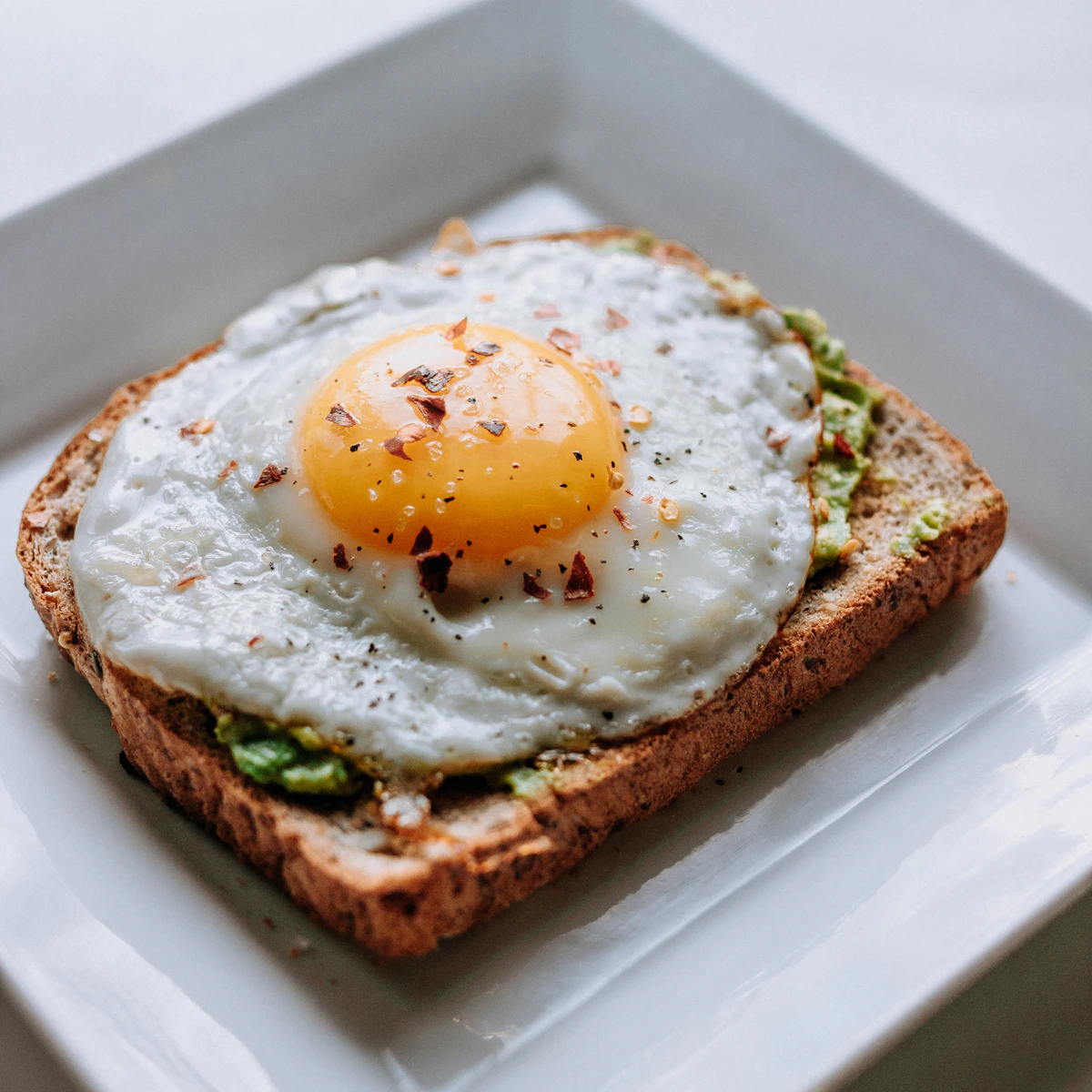
Tamagoyaki is a layered Japanese omelet that can taste savory, mildly sweet, or somewhere in between. Cooks prepare it by rolling thin layers of seasoned egg together into a compact shape.
Look for tamagoyaki at Tsukiji Outer Market, where visitors can explore a range of food stalls and specialty shops. It can be a convenient snack while browsing the market rather than a full meal.
Because recipes differ, ask whether the omelet contains dashi or other ingredients you avoid. Market stalls can be busy, so check the queue before deciding where to stop.
13. Taiyaki: Fish-Shaped Japanese Pastry
Taiyaki is a fish-shaped pastry traditionally filled with sweet red bean paste. Depending on the shop, you may also find custard or other fillings.
Look for taiyaki stands and bakeries around traditional shopping streets, including parts of Asakusa. The pastry is especially enjoyable when served warm, with a lightly crisp exterior and a soft filling.
Ask about the filling before ordering, since the available flavors vary by shop. If you have a wheat or egg allergy, check the batter ingredients as well.
14. Melon Pan: A Popular Japanese Bakery Snack
Melon pan is a sweet Japanese bread with a crisp, patterned outer layer and a soft interior. Despite the name, traditional melon pan does not necessarily contain melon flavor.
Asakusa is a practical place to look for Japanese bakery snacks while visiting traditional streets and cultural attractions. Melon pan works well as an afternoon treat when you want something sweet without ordering a full dessert course.
Some bakeries offer variations with cream or other fillings. Ask what is inside before buying, especially if you are avoiding dairy or other allergens.
15. Wagashi: Traditional Japanese Sweets

Wagashi refers to a broad family of traditional Japanese sweets, many of which are shaped and decorated to reflect the season. Common examples include mochi, dango, and sweets filled with sweetened red bean paste.
Explore confectionery shops and tea shops in Asakusa for traditional Japanese sweets. Wagashi can be a good choice when you want to sample a smaller dessert rather than finish a large meal.
Ingredients differ by variety. Some sweets use rice flour and bean paste, while others may include gelatin or other ingredients, so check the label if you have dietary restrictions.
Where to Find the Best Food in Tokyo by Neighborhood
For the most efficient food trip, choose a few neighborhoods and explore their specialties rather than crossing the city for every meal. Tokyo’s train network makes it easy to combine several nearby food stops with sightseeing.
Tsukiji: Seafood and Market Snacks
Visit Tsukiji Outer Market for seafood restaurants, sushi, egg dishes, and small food shops. It is a useful morning stop, but individual businesses have different opening schedules and some close when their stock runs out.
Review the official Tokyo Japanese cuisine guide before planning your food stops.
Shinjuku: Ramen and Casual Dining
Shinjuku is a strong choice for ramen, casual restaurants, and small eateries. Look around the station’s surrounding streets, compare menus, and check whether a restaurant uses a ticket machine or requires ordering at the counter.
If you are planning a multi-day trip, browse our hotel and accommodation resources to help organize your stay near convenient transport connections.
Asakusa: Traditional Snacks and Japanese Sweets
Asakusa combines historic sightseeing with traditional shops, bakeries, and Japanese restaurants. It is a good area for trying melon pan, taiyaki, wagashi, and other snacks while exploring the neighborhood.
Check the official Japan National Tourism Organization’s Tokyo guide for additional destination information.
Tsukishima: Monjayaki Restaurants
Choose Tsukishima when monjayaki is a priority. The area’s specialist restaurants make it easier to compare different fillings and experience a distinctly Tokyo-style meal.
Tokyo Station: Convenient Noodle Meals
Tokyo Station is a practical stop for travelers arriving by train or changing lines. Its restaurant areas include ramen options, making it convenient to eat before departure without traveling to another district.
For longer journeys around Japan, see our trains and buses travel resources to plan connections around your meals and sightseeing schedule.
How to Eat Well in Tokyo on a Budget
The easiest way to control food costs in Tokyo is to mix casual noodle shops, rice-ball snacks, set lunches, and one or two specialty meals. You can experience a variety of Japanese food without booking an expensive restaurant for every meal.
- Choose lunch for a specialty meal. Compare lunchtime set menus before considering a more expensive dinner.
- Use convenience stores strategically. Onigiri and other ready-to-eat options can fill the gaps between sightseeing stops.
- Compare the full meal price. Check whether rice, soup, side dishes, and taxes are included in the listed price.
- Visit popular areas at quieter times. Arriving outside peak meal periods may reduce waiting, although individual restaurants set their own schedules.
- Carry a payment alternative. Some smaller establishments may prefer cash, so do not assume every shop accepts every card or digital payment method.
- Check the menu before joining a queue. Confirm the ingredients, serving size, ordering system, and payment method first.
For a broader trip budget, combine your dining plan with our resources for finding flight options and comparing package tours. Saving on transport and accommodation can leave more room for memorable meals.
A Practical One-Day Tokyo Food Itinerary
A simple Tokyo food itinerary can cover market snacks, a substantial noodle meal, a traditional sweet, and a local specialty without requiring a restaurant reservation for every stop. The following plan prioritizes manageable travel between areas.
| Time | Area | What to eat | Planning note |
|---|---|---|---|
| Morning | Tsukiji | Tamagoyaki or sushi | Check market shop hours before leaving. |
| Late morning | Asakusa | Melon pan or taiyaki | Explore the shopping streets on foot. |
| Lunch | Tokyo Station or nearby | Ramen or soba | Choose a shop with a clear menu and manageable queue. |
| Afternoon | Asakusa or another convenient stop | Wagashi | Try a small portion after lunch. |
| Dinner | Tsukishima | Monjayaki | Check opening hours and allow time for the meal. |
This itinerary is flexible rather than a fixed timetable. Tsukiji, Asakusa, Tokyo Station, and Tsukishima are separate areas, so check train connections and travel times before committing to all five stops. If you prefer a slower day, skip one neighborhood and spend more time exploring another.
Important Japanese Food Etiquette and Dietary Tips
Checking ingredients and understanding basic restaurant customs will make eating in Tokyo easier, particularly if you have allergies or follow a specific diet. Menus and practices vary, so ask staff when something is unclear.
- Learn a few useful words: “Sumimasen” means “excuse me,” and “arigatou gozaimasu” means “thank you.”
- Check broth ingredients: Dashi, a common Japanese stock, often contains fish even when a dish appears vegetarian.
- Take allergies seriously: Use a translated allergy card and ask whether the restaurant can accommodate your needs. Shared cooking surfaces may create cross-contact risks.
- Follow local customs: Avoid sticking chopsticks upright in rice or passing food directly from one pair of chopsticks to another.
- Respect the dining space: Follow the restaurant’s ordering, seating, and photography rules.
For more destination-specific dining information, explore the GO TOKYO dining resource, which covers Japanese cuisine and restaurant customs.
Frequently Asked Questions About Tokyo Food
These answers cover common questions about what to eat in Tokyo, where to find Japanese specialties, and how to plan meals around a sightseeing trip.
What food is Tokyo most famous for?
Tokyo is especially associated with Edomae sushi, ramen, tempura, soba, and monjayaki. For a dish with a particularly strong connection to Tokyo, try monjayaki in Tsukishima.
What are the best foods to try in Tokyo for first-time visitors?
Start with sushi, ramen, tempura, soba, and one Tokyo specialty such as monjayaki. Add onigiri or a traditional Japanese sweet if you want to sample more foods without ordering several large meals.
Where can I find authentic Japanese food in Tokyo?
Explore Tsukiji for seafood, Shinjuku for ramen, Asakusa for traditional snacks and sweets, and Tsukishima for monjayaki. Look for specialist restaurants, review their menus, and choose places that prepare the dish you want to try.
Is Tokyo expensive for food?
Tokyo offers a wide range of dining budgets. Casual noodle shops, rice bowls, convenience-store meals, and bakery snacks can help control costs, while premium sushi counters and specialty restaurants may be considerably more expensive.
What Japanese food should I try in Tokyo if I do not eat raw fish?
Consider ramen with a suitable cooked broth, tempura, tonkatsu, yakitori, udon, gyudon, or tamagoyaki. Check every dish’s ingredients and preparation, especially if you avoid specific meats, seafood, or animal-derived stock.
Can vegetarians find food in Tokyo?
Yes, but careful menu checking is important. Some vegetable dishes, noodle broths, sauces, and fried foods contain fish-based dashi or other animal ingredients. Ask the restaurant to confirm the complete ingredients.
What is a good Tokyo food souvenir?
Packaged Japanese sweets, individually wrapped traditional confectionery, and suitable shelf-stable snacks can make practical souvenirs. Check ingredient labels, storage requirements, and customs restrictions before traveling internationally with food.
How many days do I need to explore Tokyo’s food scene?
One day is enough to sample several signature dishes, but two or three days provide more flexibility to explore market food, specialist noodle restaurants, traditional sweets, and local specialties without rushing between neighborhoods.
Final Takeaway: Plan Your Tokyo Food Adventure
The best food to eat in Tokyo is not limited to sushi and ramen; the city’s local specialties, everyday noodle shops, market snacks, and traditional sweets deserve a place in your itinerary too. Start with Tsukiji for seafood, Shinjuku for ramen, Asakusa for traditional snacks, and Tsukishima for monjayaki.
Choose meals around your sightseeing route, check current menus and opening hours, and balance specialty restaurants with affordable everyday options. With a little planning, you can experience a wide range of Japanese cuisine while keeping your Tokyo trip practical and enjoyable.
Continue planning your trip with The Offers Guy, including our guides to accommodation, flights, tours and activities, and travel SIM cards.