Tokyo can be expensive when you book accommodation at the last minute, travel across the city repeatedly, and pay admission for every major attraction. However, you can explore historic temples, modern neighborhoods, Japanese food markets, parks, and famous city views without spending heavily on every activity.
This guide explains how to visit Tokyo on a budget, including where to stay, how to choose subway tickets, where to find affordable meals, which free attractions deserve your time, and how to calculate a realistic daily spending limit. You will also find a sample three-day plan that groups nearby attractions to reduce unnecessary transportation costs.
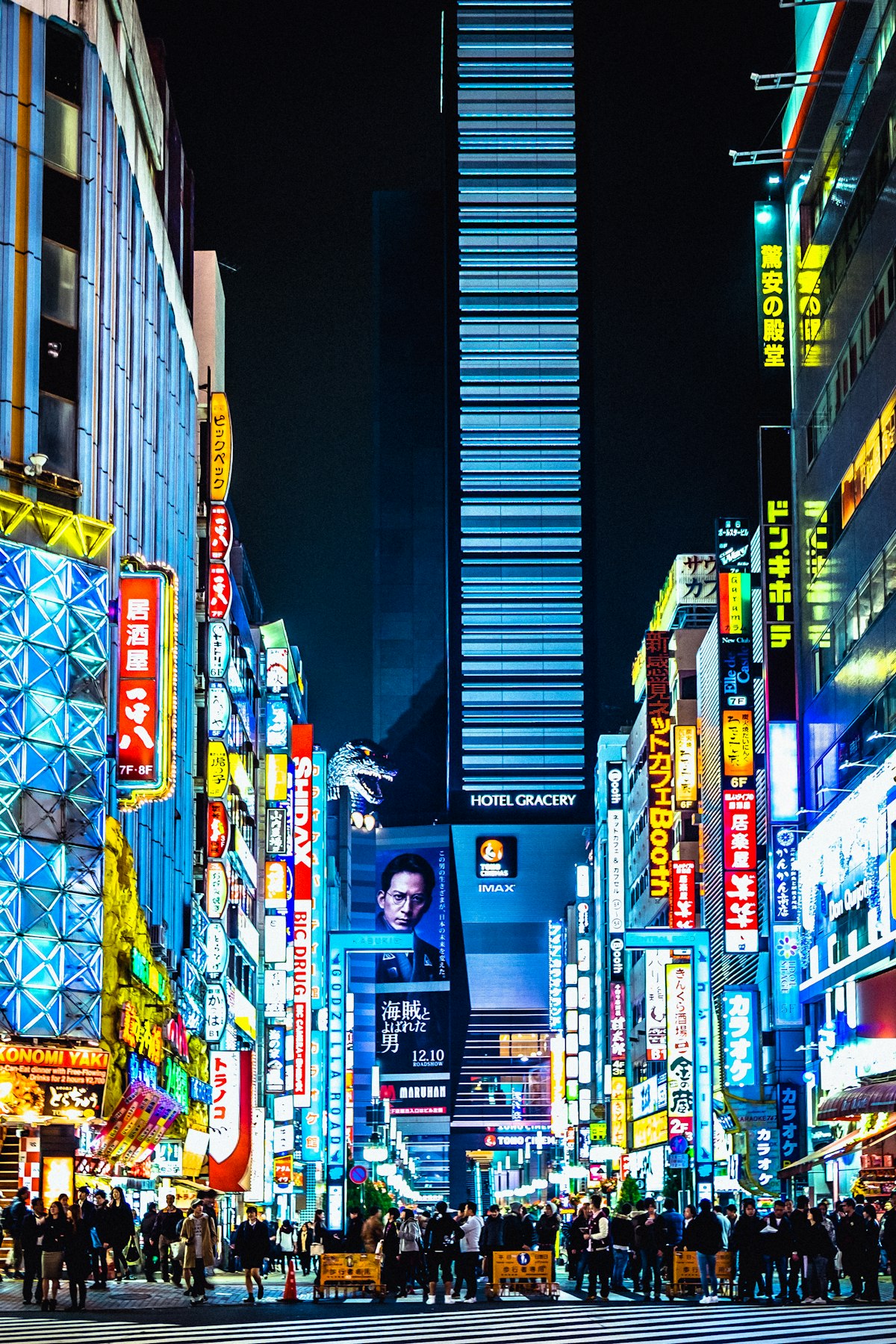
Quick answer: The most effective way to save money in Tokyo is to choose accommodation near useful public transport, eat at casual local restaurants, compare subway passes with individual fares, and combine free attractions with a few carefully selected paid experiences.
How Much Does Tokyo Cost Per Day on a Budget?
A budget traveler can plan for approximately ¥8,000–¥15,000 per person per day in Tokyo, excluding international flights, depending on accommodation, food choices, and paid activities. This is a planning estimate, not a guaranteed current market price.
Your accommodation choice has a major effect on the final total. A hostel bed, a simple business hotel, and a private room in a central neighborhood produce very different budgets. Season, weekends, holidays, and major events can also change room prices considerably.
Example daily budget for one traveler
A useful starting budget separates essential expenses from optional spending. The following example shows how a cost-conscious traveler might allocate money on a sightseeing day.
| Expense | Example budget | How to control it |
|---|---|---|
| Hostel or shared accommodation | ¥3,500 | Compare total prices and location |
| Food and drinks | ¥2,500 | Choose casual restaurants and simple breakfasts |
| Local transportation | ¥800 | Group nearby attractions |
| Activities | ¥1,000 | Prioritize free sights and one paid activity |
| Snacks and contingency | ¥700 | Keep discretionary spending limited |
| Total | ¥8,500 | Illustrative daily budget |
This example assumes shared accommodation and excludes international airfare, airport transfers, travel insurance, shopping, and major ticketed attractions. A private hotel room can raise the total substantially, especially when traveling alone.
For a wider trip-cost framework, read our guide to planning a week-long trip to Japan under $2,000. It helps put Tokyo expenses into the context of an entire Japan vacation.
1. Compare Tokyo Subway Passes Before Buying
A Tokyo Subway Ticket can save money on sightseeing days with frequent rides, but individual fares may cost less when your itinerary involves only a few journeys.
Tokyo has multiple railway and subway operators, and a ticket valid on one network does not necessarily cover every train. This is why checking which lines you will use matters more than simply buying the first pass you see.
Tokyo Metro and Toei Subway currently offer the following tourist ticket options:
| Ticket | Adult price | Coverage |
|---|---|---|
| 24-hour Tokyo Subway Ticket | ¥1,000 | Tokyo Metro and Toei Subway |
| 48-hour Tokyo Subway Ticket | ¥1,500 | Tokyo Metro and Toei Subway |
| 72-hour Tokyo Subway Ticket | ¥2,000 | Tokyo Metro and Toei Subway |
Verify ticket prices, eligibility, and validity before purchasing through the official Tokyo Metro ticket guide. The pass does not cover every railway service in Tokyo.

Calculate whether a subway pass is worthwhile
Buy a pass only when the fares you would otherwise pay exceed its price and the included routes fit your plans.
- List the neighborhoods you plan to visit.
- Check the relevant fares and railway operators.
- Add the cost of your expected journeys.
- Compare that total with the appropriate pass.
- Choose the option that covers your actual route at the lowest cost.
For example, if your planned journeys on eligible subway lines would cost ¥1,300 in total, a ¥1,000 24-hour pass could save ¥300. If the same journeys would cost only ¥800, individual fares would be cheaper.
2. Use a rechargeable IC card for convenient travel
A rechargeable transport IC card is useful when you want flexibility without calculating a separate paper ticket for every journey.
Cards and mobile options such as Suica and PASMO can simplify many train journeys and may also be accepted at participating convenience stores and vending machines. Availability and purchase arrangements can change, so check current official guidance before departure.
Review the official GO TOKYO guide to IC cards and discount tickets before deciding which payment option works best for your trip.
3. Walk between nearby Tokyo attractions
Walking is often the cheapest way to explore neighboring attractions, and it lets you discover streets that you might miss when traveling directly between stations.
Consider exploring Harajuku and nearby areas on foot rather than taking a train for every short movement. Similarly, group Asakusa’s temple district, shopping streets, and nearby riverside views into one outing.
Check walking times before setting off. Tokyo stations can be large, and a short distance on a map may involve lengthy station passages, road crossings, or crowded pavements.
4. Avoid unnecessary taxi journeys
Use trains and subways for most sightseeing journeys, reserving taxis for situations where the convenience justifies the additional cost.
Taxi fares can rise with distance, traffic, and late-night travel. If you arrive with heavy luggage, compare the cost of a direct airport transfer with public transport before choosing.
For airport planning, explore our airport transfers and transportation resources. Compare the final price, luggage requirements, travel time, and number of passengers rather than assuming one option is always cheaper.
5. Find Affordable Accommodation in Tokyo
Choose accommodation that balances the nightly rate with transport access, rather than automatically booking the cheapest room available.
Tokyo’s size makes location important. A property far from useful transport can add daily fares and travel time, while a more expensive room near your planned activities may reduce other costs.
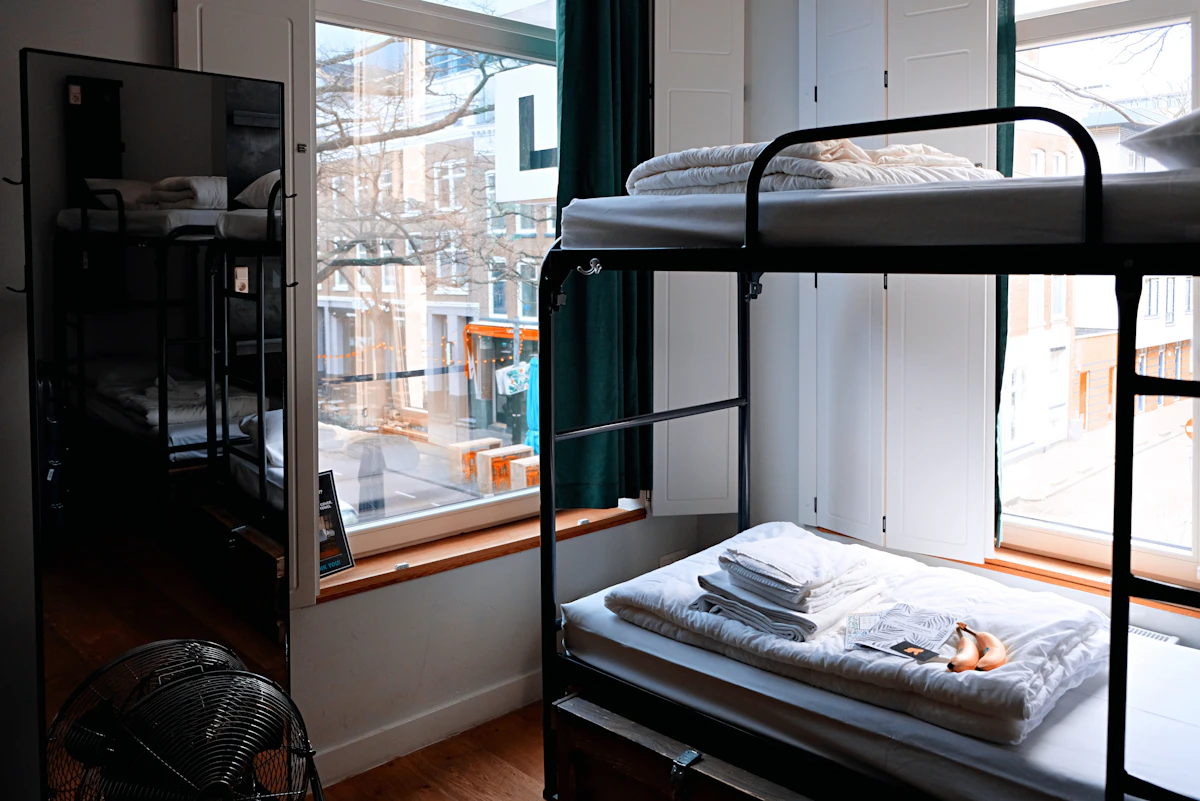
Which Tokyo neighborhoods suit budget travelers?
- Asakusa: A useful base for traditional streets, Senso-ji, and nearby sightseeing.
- Ueno: Convenient for parks, museums, and railway connections.
- Uguisudani and surrounding areas: Worth comparing for accommodation near the wider Ueno area.
- Shinjuku’s outer areas: Useful for rail connections, although prices vary significantly.
- Other stations on convenient rail lines: Consider them when the fare and travel time to your planned attractions remain reasonable.
These are starting points for comparison, not a guarantee that one neighborhood will always be the cheapest. Search several dates and compare the complete price for your room type.
6. Compare the final hotel price, not just the advertised rate
The real accommodation cost includes mandatory taxes, fees, and any services you need during your stay.
Before booking, check:
- The total price for all nights.
- Whether the room is private or shared.
- Cancellation and payment conditions.
- Distance to the nearest useful station.
- Check-in times and luggage storage arrangements.
- Whether breakfast or laundry facilities are included.
Use our hotels and accommodation resources when comparing lodging options for your trip.
7. Eat Affordable Japanese Food Without Sacrificing Variety
Mix casual local restaurants, inexpensive breakfast options, supermarkets, and occasional convenience-store meals to keep food costs manageable.
Tokyo offers many ways to eat beyond expensive specialty restaurants. The goal is not to avoid Japanese cuisine, but to choose where and when to spend more on food.

8. Look for casual restaurants and set meals
Casual restaurants often provide a more predictable meal budget than choosing a premium dining experience for every meal.
Look for ramen shops, soba restaurants, udon shops, curry restaurants, and set-meal establishments. Menus displayed outside many restaurants help you compare prices before entering.
Prices differ by location, serving size, and restaurant. Avoid treating any single meal price as universal, particularly in busy shopping districts and near major tourist attractions.
9. Use convenience stores and supermarkets strategically
Convenience stores and supermarkets are practical for inexpensive breakfasts, snacks, drinks, and occasional simple meals.
Onigiri rice balls, prepared meals, yogurt, fruit, and other everyday foods can help when you need something quick. Supermarkets may also offer discounts on selected prepared foods later in the day, although timing and availability vary.
For a balanced approach, use affordable meals to manage routine spending and reserve part of your budget for a local restaurant you genuinely want to try.
10. Carry a reusable water bottle
Carrying a refillable bottle can reduce repeated drink purchases when you have access to safe refill points.
Check whether your accommodation offers drinking water or a refill station, and use suitable public facilities when available. You can still purchase drinks when needed without making every stop an automatic expense.
11. Set a daily food allowance before sightseeing
A daily food limit helps prevent small purchases from quietly consuming money intended for attractions or transportation.
For example, a ¥2,500 food budget could be divided between breakfast, lunch, dinner, and a small snack allowance. This is a planning example rather than a promise that every restaurant will fit those amounts.
Keep track of actual spending for the first two days, then adjust the remaining budget based on local prices and your appetite.
12. Explore Free Things to Do in Tokyo
Tokyo has plenty of rewarding experiences that do not require an attraction ticket, including temple grounds, neighborhood walks, public parks, and selected city viewpoints.

Visit Senso-ji and explore Asakusa
Asakusa is an excellent area for combining historic sightseeing, traditional streets, and local atmosphere without paying for a full-day tour.
Explore the grounds of Senso-ji, browse Nakamise shopping street, and walk through surrounding streets. Shopping and food purchases are optional expenses, so decide in advance how much you want to spend.
Be respectful of worshippers, follow local signs, and check any access restrictions or special event arrangements.

Explore Meiji Jingu and the surrounding area
Meiji Jingu provides a peaceful contrast to the busy commercial streets of Harajuku and Shibuya.
Walking through the forested approach and visiting the shrine grounds can be a meaningful part of a Tokyo itinerary without requiring a paid guided tour. Respect posted rules and current visitor guidance.
Spend time in Ueno Park
Ueno Park is a useful choice for travelers who want outdoor space and an easy way to combine sightseeing with a relaxed walk.
The wider area includes museums and other attractions that may charge admission, so distinguish free outdoor areas from ticketed exhibitions when planning your spending.

Walk around Shibuya and Harajuku
Shibuya and Harajuku are well suited to travelers who enjoy street scenes, architecture, shopping districts, and people-watching.
See the famous Shibuya Crossing, explore surrounding streets, and walk toward Harajuku when it suits your route. Shopping, special exhibitions, and observation decks can add significant costs, so treat them as optional extras.
13. Choose one paid attraction instead of several
Select the paid experience that matters most to you and build the rest of the day around free activities.
If a city observation deck is a priority, compare its ticket price with other viewpoints before booking. If you prefer Japanese culture, a museum or special exhibition may provide more value than several similar skyline attractions.
Check official attraction websites for admission prices, opening hours, reservation requirements, and restrictions. Do not assume a popular attraction is free simply because the surrounding neighborhood is open to explore.

14. Compare attraction bundles carefully
A sightseeing pass is worthwhile only when the attractions you actually visit cost more separately than the pass.
Before purchasing a bundle, list the included attractions you genuinely intend to visit, verify their individual prices, and check whether reservations or timed entries are required. A discount on activities you would not otherwise buy is not a real saving.
The Japan National Tourism Organization offers further guidance on budget travel in Japan, including affordable cultural experiences and practical ways to manage spending.
15. Follow This Three-Day Tokyo Budget Itinerary
The easiest way to keep a short Tokyo trip affordable is to group nearby sights together instead of crossing the city several times in one day.
This sample itinerary emphasizes neighborhood exploration, free attractions, casual meals, and controlled transportation spending. It does not include hotel prices, international flights, or optional paid attractions.

Day 1: Asakusa and Ueno
Spend the first day exploring traditional Tokyo and nearby park areas.
- Morning: Visit Senso-ji and explore Asakusa.
- Lunch: Choose an affordable local restaurant.
- Afternoon: Travel to Ueno Park and explore the surrounding area.
- Evening: Enjoy a neighborhood walk and an inexpensive dinner.
This plan keeps the focus on a relatively compact part of the city. Add a museum only if the admission cost and exhibition match your interests.
Day 2: Meiji Jingu, Harajuku, and Shibuya
Use the second day to experience Tokyo’s modern neighborhoods and walk between nearby sights where practical.
- Morning: Visit Meiji Jingu and its surrounding grounds.
- Late morning: Explore Harajuku’s streets.
- Lunch: Choose a casual restaurant away from the busiest tourist spots if prices are lower.
- Afternoon: Walk through Shibuya and see the famous crossing.
- Evening: Stay for the city atmosphere or return to your accommodation.
Keep shopping optional. A long browsing session can become expensive if you buy souvenirs without planning for them.
Day 3: Choose a final neighborhood and one special activity
Reserve the last day for an area that matches your interests rather than trying to cover every remaining attraction.
- Morning: Explore a neighborhood you have not yet visited.
- Lunch: Try a local meal within your remaining food allowance.
- Afternoon: Choose a park, museum, observation deck, or cultural experience.
- Evening: Enjoy a final walk and review your spending before departure.
If you prefer a more detailed route, see our three-day Tokyo weekend itinerary for additional sightseeing ideas. Adapt its stops to your interests and verify attraction details before traveling.
Calculate the cost of your three-day visit
Multiply your daily ground budget by three, then add airport transfers, any major admission tickets, and a contingency allowance.
Using the illustrative ¥8,500 daily budget above:
¥8,500 × 3 days = ¥25,500.
This is an example for three sightseeing days, not a complete quotation for a three-day trip. It assumes the daily allocation remains realistic for your accommodation and travel style. If your hotel is paid separately, do not count that cost twice.
For a broader comparison of destinations and spending levels, explore our guide to affordable travel destinations around the world.
Common Mistakes That Make a Tokyo Trip More Expensive
The most avoidable budget overruns usually come from poor planning rather than from one expensive meal or attraction.
Buying a transport pass without checking coverage
Different railway operators use different ticket arrangements. Compare the specific routes you need before buying an unlimited pass.
Choosing a hotel based only on price
Check transport access, total accommodation charges, and travel time. A cheaper room may create additional expenses every day.
Visiting too many distant neighborhoods
Plan by area and leave enough time to explore. Constantly moving between distant attractions adds fares and reduces sightseeing time.
Underestimating small purchases
Snacks, drinks, souvenirs, and repeated convenience purchases can gradually exceed your intended budget. Review spending each evening rather than waiting until departure.
Forgetting airport and connectivity costs
Include airport transportation and mobile data in your total trip estimate. Our guides to finding and comparing flights and travel SIM cards can help you plan these expenses before departure.
How to Prepare a Reliable Tokyo Travel Budget
A reliable travel budget uses current prices, a realistic itinerary, and a small reserve for unexpected costs.
- Check flight prices and baggage conditions for your travel dates.
- Compare accommodation options and calculate the full stay.
- Map your attractions and estimate transportation fares.
- Choose a daily food allowance that suits your preferences.
- List paid attractions and verify official admission prices.
- Add airport transfers, connectivity, insurance, and other necessary expenses.
- Keep a contingency reserve instead of spending the entire budget in advance.
Use the official Japan National Tourism Organization website for destination guidance and current visitor information. For transport decisions, consult the official Tokyo Metro and GO TOKYO resources linked above.
Prices and ticket conditions can change, so verify details shortly before your trip. The estimates in this article are budgeting examples, not guaranteed prices or a promise that every traveler can achieve the same total.
Frequently Asked Questions About Tokyo on a Budget
These quick answers address common questions about saving money in Tokyo. Select a question to reveal its answer.
How much money do I need for three days in Tokyo?
A budget traveler might plan approximately ¥25,500 for three sightseeing days using an illustrative daily budget of ¥8,500. This amount may exclude separately booked accommodation, flights, airport transfers, and expensive activities, so calculate those items separately.
What is the cheapest way to get around Tokyo?
Walking between nearby attractions and using public transport for longer journeys is often a cost-effective approach. Compare individual fares with eligible subway passes before buying a ticket, because the cheapest option depends on your routes and number of rides.
Which Tokyo neighborhoods are good for budget accommodation?
Compare Asakusa, Ueno, and accommodation near other convenient railway stations. The best-value neighborhood depends on your dates, room requirements, planned activities, and transport connections.
Can I explore Tokyo without paying for attractions?
Yes. You can visit public park areas, explore neighborhoods, walk through shopping streets, and see many temple and shrine grounds without purchasing an attraction ticket. Check access rules and separate free areas from paid exhibitions or facilities.
Is Tokyo expensive for food?
Food costs vary widely. Casual restaurants, noodle shops, set meals, supermarkets, and convenience stores offer alternatives to premium dining. Setting a daily food allowance makes spending more predictable.
Is a Tokyo Subway Ticket worth buying?
A subway pass can be worthwhile when your planned rides on eligible Tokyo Metro and Toei Subway lines would cost more than the pass. Check the current fare and coverage details, then compare the pass with individual tickets.
How can I save money on hotels in Tokyo?
Compare multiple dates, consider hostels or simple hotels, and look at neighborhoods with convenient public transport. Check total room charges, cancellation conditions, and daily travel costs rather than comparing nightly prices alone.
What is the best free thing to do in Tokyo?
There is no single best choice for everyone. Senso-ji and Asakusa suit visitors interested in traditional culture, Meiji Jingu offers a quieter setting, and Shibuya and Harajuku are ideal for exploring modern city life on foot.
When should I book accommodation for a cheaper Tokyo trip?
Compare prices as soon as your travel dates are reasonably clear, particularly for busy seasons and weekends. Monitor cancellation conditions and recheck rates when practical; there is no universal booking window that guarantees the lowest price.
Can I visit Tokyo on a budget without missing its highlights?
Yes. Build your itinerary around a few key neighborhoods, include free cultural and outdoor experiences, eat at casual local restaurants, and choose only the paid attractions that matter most to you.
Final Takeaway: Enjoy Tokyo Without Overspending
Tokyo on a budget is achievable when you plan transportation, accommodation, meals, and sightseeing together instead of treating each expense separately.
Start with a realistic daily allowance, choose a practical place to stay, and group attractions by neighborhood. Use public transport strategically, enjoy affordable Japanese meals, and balance free experiences with the paid activities you value most.
The goal is not to spend as little as possible on every part of your trip. It is to spend deliberately, avoid unnecessary costs, and leave enough room in your budget to enjoy Tokyo’s culture, food, and distinctive neighborhoods.