Paris on a budget is achievable when you choose affordable accommodation, walk between nearby attractions, eat like a local and plan paid experiences selectively. You do not need an expensive hotel, a restaurant meal at every sitting or a sightseeing pass to enjoy the French capital. This guide explains realistic daily costs, free places to visit, transport options and a practical three-day itinerary that helps you control spending without missing the character of Paris.
The most effective strategy is to decide which experiences deserve your money before you arrive. Spend selectively on the attractions that matter most to you, then use neighbourhood walks, public parks, affordable bakeries and free museum collections to fill the rest of your trip.

1. How Much Does Paris Cost Per Day?
A budget traveller can use approximately €60–€100 per person per day as an initial planning range, excluding international flights, with the final amount depending heavily on accommodation and travel dates. This is an illustrative budget, not a guaranteed current average or a live price quote.
Accommodation is usually the biggest variable. A traveller sharing a hostel room or staying in a reasonably priced room outside the busiest tourist districts may spend considerably less than someone booking a private hotel room near the Eiffel Tower.

Example daily budget for one traveller
| Expense | Illustrative daily cost |
|---|---|
| Shared accommodation | €25–€40 |
| Food and bakery purchases | €18–€25 |
| Local transport | €4–€8 |
| Free sightseeing and one small activity allowance | €0–€15 |
| Water, snacks and small extras | €5–€12 |
| Estimated total | €52–€100 |
These figures are planning assumptions rather than verified accommodation quotations. Private rooms, peak-season dates, special exhibitions and expensive attractions can push the total higher. Always check actual prices before booking.
Calculate your total trip budget
Use this simple formula to estimate your spending before departure:
Total trip budget = accommodation + food + transport + attractions + extras.
For example, a three-day visit with an average daily budget of €80 would require €240 per person, excluding international flights and any expenses outside the daily allowance.
For a more useful comparison, calculate the cost per person after splitting a double room between two travellers. A €100 room shared by two people costs €50 each, while a €60 dormitory bed costs €60 for a solo traveller. The cheaper-looking option is not always the cheapest overall.
2. Find Affordable Accommodation in Paris
The most practical way to save on Paris accommodation is to compare the full price of a room with its transport connections, rather than choosing a property solely because it is outside central Paris. A cheap room far from a metro station can cost more in travel time and transport than a slightly more expensive room in a convenient neighbourhood.
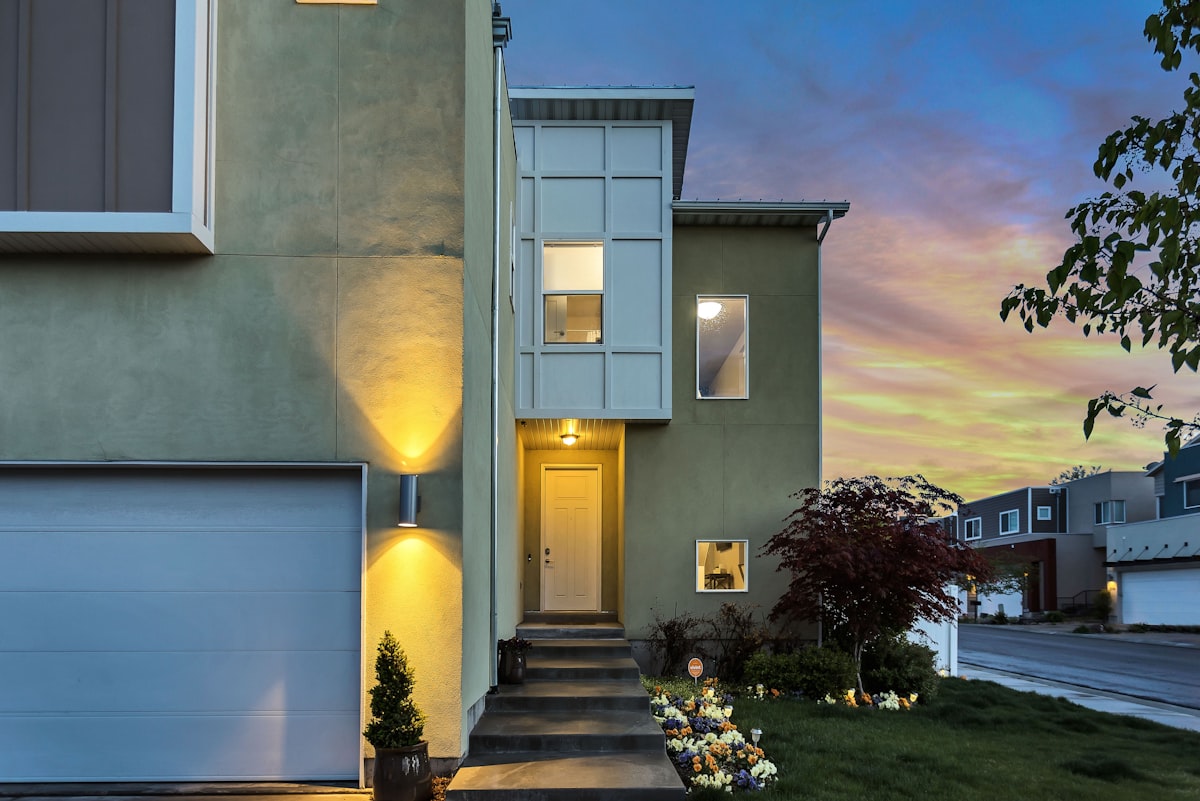
Where should budget travellers stay?
- Outer parts of the 10th, 11th and 12th arrondissements: Compare smaller hotels and private rooms with access to metro stations.
- The 13th and 19th arrondissements: Consider these areas when you want to compare residential neighbourhoods, parks and transport connections.
- Montreuil or other nearby suburbs: Check accommodation outside the city boundary, but calculate the full return journey and verify late-night transport.
- Hostels: Compare dormitory beds with private rooms, paying attention to linen charges, luggage storage and cancellation conditions.
These are areas to investigate, not a guarantee that every property will be inexpensive or suitable. Check the precise address, recent reviews, neighbourhood facilities and the route to the places you intend to visit.
Use this accommodation comparison formula
Effective accommodation cost = room price + extra fees + additional transport expenses.
Suppose Hotel A costs €75 per night and requires €8 in additional daily transport, while Hotel B costs €90 and requires €3 in transport. Hotel A’s effective daily cost is €83, compared with €93 for Hotel B. Hotel A remains cheaper by €10, but a longer commute could still make Hotel B more convenient.
Before confirming a reservation, check the property’s cancellation policy, city tax, breakfast price, luggage storage and distance from the nearest useful station. You can compare options through our hotel and accommodation resources.

3. Save Money on Paris Public Transport
Use walking for nearby sights and compare single tickets with travel passes based on your actual itinerary. Paris has an extensive metro, bus and rail network, but buying a multi-day pass is not automatically cheaper than purchasing individual journeys.
According to official RATP ticket information, the standard Metro-Train-RER ticket costs €2.55 from 1 January 2026. A separate Bus-Tram ticket costs €2.05. Airport journeys have different fares and conditions.

When should you buy a travel pass?
- List the attractions you plan to visit each day.
- Estimate the number of metro, train and bus journeys you will make.
- Check whether your journeys require a standard ticket or an airport-specific ticket.
- Compare the total cost of individual tickets with the applicable pass.
- Confirm the pass’s zones, validity dates and exclusions before purchasing it.
For example, four standard metro or train journeys at €2.55 each would cost €10.20. Compare that amount with the relevant daily pass price and check whether the pass covers the routes you need.
The official Île-de-France Mobilités 2026 fare guide lists a €12.30 Navigo Day pass for all zones, excluding airports. Your best choice depends on your travel pattern.
Airport transfers need separate planning
Do not assume that an ordinary city transport ticket covers every airport connection. Check your arrival airport, destination station, luggage requirements and current airport fare before leaving home.
Our airport transfer resources can help you compare transport options. For most budget itineraries, the important figure is the complete journey cost, including any connection needed to reach your accommodation.
4. Eat Well in Paris Without Overspending
Combine bakery breakfasts, supermarket essentials, affordable lunch menus and occasional sit-down meals to control food spending. You can enjoy French food culture without choosing a full-service restaurant for every meal.

Build an affordable daily food routine
- Breakfast: Buy bread or a pastry and a hot drink from a bakery. Compare prices displayed at the counter.
- Lunch: Look for a set lunch menu, takeaway sandwich, prepared salad or a casual neighbourhood café.
- Snacks: Purchase fruit and other essentials from a supermarket rather than relying on tourist-area kiosks.
- Dinner: Choose a modest neighbourhood restaurant, prepare a simple meal if your accommodation permits it, or share a picnic in a suitable public space.
As a working budget, you might allocate €4–€7 for breakfast, €7–€10 for lunch and €8–€12 for dinner. These are illustrative allowances, not guaranteed local prices. A restaurant meal with drinks, service charges or extras can cost substantially more.
Where can you find affordable food?
Explore local bakeries and everyday shops away from the busiest sections around major monuments. Markets can be useful for fresh ingredients, although market prices and opening days vary.
Before buying a meal, check the displayed menu and whether the listed price applies to takeaway or table service. Avoid assuming that every bakery or neighbourhood café offers the same value.

5. Discover Free Things to Do in Paris
Paris offers free parks, neighbourhood walks, riverside views and museum collections, making it possible to build an enjoyable itinerary without paying an admission fee every day. Mix free experiences with one or two carefully selected paid attractions rather than treating every famous landmark as a ticketed activity.

Free experiences worth adding to your itinerary
- Walk along the Seine: Enjoy river views and historic architecture without paying for a sightseeing cruise.
- Explore Montmartre: Wander through its sloping streets and enjoy public viewpoints while being considerate of residents.
- Visit the Tuileries Garden: Take a break between central Paris attractions.
- Explore Luxembourg Gardens: Enjoy the outdoor spaces when they are open to visitors.
- See the Eiffel Tower from public viewpoints: You can appreciate the landmark from surrounding public areas without buying a ticket to climb it.
- Explore the historic Marais: Discover architecture, public squares and streets at your own pace.
- Visit the Petit Palais permanent collection: The City of Paris lists free access to its permanent collections, although temporary exhibitions may cost extra.
The official City of Paris guide to free museums explains which collections and institutions offer free access. Verify current opening hours, temporary exhibition policies and reservation requirements before visiting.
6. Choose Paid Attractions Carefully
Buy individual tickets when you want only one or two major attractions, and consider a museum pass only when the admission savings justify its price. A pass can be useful for travellers planning several eligible museums and monuments in a short period, but it is poor value if you spend most of your time outdoors.
The official Paris Museum Pass website currently lists these prices:
| Pass duration | Listed price | Simple break-even illustration |
|---|---|---|
| 2 days | €85 | Four €22 attractions would total €88, if all are eligible |
| 4 days | €105 | Five €22 attractions would total €110, if all are eligible |
| 6 days | €125 | Six €22 attractions would total €132, if all are eligible |
These examples use a hypothetical €22 admission price for comparison. They do not mean every attraction costs €22 or that every attraction is included. The pass generally covers one entry to each eligible site, excludes temporary exhibitions and may require timed reservations.
Calculate the value before buying
Potential savings = total individual admission prices − pass price.
If your selected eligible admissions total €96 and the pass costs €85, the gross difference is €11. However, if you skip an attraction, cannot obtain a suitable reservation or choose free activities instead, your actual savings may be smaller.
Make a shortlist of attractions first, verify eligibility and opening days, and then purchase only the ticket or pass that fits your schedule.
7. Follow This Three-Day Paris Budget Itinerary
A practical low-cost Paris itinerary groups attractions by neighbourhood, reducing unnecessary transport while leaving room for free activities and affordable meals. This sample plan prioritises outdoor sightseeing and includes optional paid visits so you can adjust the total to your budget.
Day 1: Historic central Paris
- Morning: Walk around Île de la Cité and admire the exterior of Notre-Dame Cathedral.
- Lunch: Pick up a sandwich or a simple meal from a nearby bakery or café.
- Afternoon: Walk along the Seine and explore the surrounding historic streets.
- Evening: Enjoy the Eiffel Tower views from a public area and take photographs.
Budget approach: Keep admission spending low by prioritising walking and public spaces. Check whether any interior visits require tickets or advance reservations.
Day 2: Montmartre and local neighbourhoods
- Morning: Explore Montmartre on foot and visit the public areas around Sacré-Cœur Basilica.
- Lunch: Choose a neighbourhood bakery, takeaway meal or reasonably priced lunch menu.
- Afternoon: Walk through nearby streets, browse independent shops and take breaks in public spaces.
- Evening: Choose an affordable dinner near your accommodation to avoid a long return journey.
Budget approach: Walking saves fares, but Montmartre is hilly. Allow extra time and use public transport if mobility, weather or fatigue makes walking unsuitable.
Day 3: Gardens, museums and the Marais
- Morning: Visit a garden such as the Tuileries or Luxembourg Gardens, depending on your location and opening hours.
- Lunch: Buy a simple meal and water from an everyday shop.
- Afternoon: Explore the Marais or visit a museum with a free permanent collection.
- Evening: Enjoy a final walk along the river or return to a favourite viewpoint.
Budget approach: Choose one paid museum only if it is a priority. Check free admission rules and opening times before setting your route.
Three-day spending example
| Category | Three-day allowance |
|---|---|
| Accommodation at €35 per night | €105 |
| Food at €22 per day | €66 |
| Transport at €6 per day | €18 |
| Attractions | €15 |
| Extras and contingency | €21 |
| Total | €225 |
This example totals €75 per day for one traveller. It assumes accommodation at the stated rate is actually available and excludes flights, travel insurance and major shopping. Use current quotes to replace each assumption before booking.
8. Avoid Hidden Costs That Increase Your Paris Budget
The easiest unexpected expenses to prevent are unsuitable transport tickets, unplanned attraction admissions, accommodation fees and repeated small purchases. Reviewing these costs before departure makes your spending more predictable.
Check these expenses before you travel
- City tax: Confirm whether the accommodation price includes local tourist tax or whether it is payable separately.
- Airport transfers: Verify the correct airport fare and whether your chosen ticket covers the complete route.
- Booking fees: Compare the final checkout total with the advertised starting price.
- Attraction reservations: Check timed-entry requirements before buying a pass or arriving at a museum.
- Mobile data: Check roaming costs with your provider and compare them with an appropriate travel eSIM or SIM option.
- Card and currency fees: Review your bank’s foreign transaction charges and payment conversion terms.
- Late-night travel: Check the available return route before booking accommodation far from the centre.
For connectivity planning, compare available options through our SIM cards and travel connectivity resources. Choose based on coverage, data allowance, device compatibility and the full price rather than the headline offer alone.
9. Common Mistakes When Visiting Paris on a Budget
A low-cost trip works best when you avoid savings that create larger expenses elsewhere. The cheapest headline price is not always the best overall choice.
- Booking accommodation without checking transport: Calculate the nightly rate plus additional journeys.
- Buying a pass without an itinerary: Confirm that you will visit enough eligible attractions to justify the cost.
- Planning too many distant sights in one day: Group locations together to save time and transport fares.
- Assuming every museum has free admission: Separate free permanent collections from paid temporary exhibitions.
- Ignoring cancellation conditions: A flexible reservation may be worth paying slightly more for if your plans could change.
- Leaving no emergency allowance: Keep some money aside for unexpected transport, food or essential purchases.
A good budget is flexible rather than restrictive. If an attraction is especially important to you, make room for it by reducing spending on less meaningful activities instead of trying to eliminate every paid experience.
10. Prepare for an Affordable Paris Trip
Prepare your transport plan, reservation details, payment options and daily spending limit before arrival. A little organisation can prevent unnecessary purchases and last-minute booking costs.
- Save your accommodation address and directions for offline access.
- Check museum opening days and reserve timed-entry visits where required.
- Carry a reusable water bottle and check where refilling is permitted.
- Wear comfortable shoes for walking on uneven streets and pavements.
- Check weather forecasts before choosing outdoor sightseeing days.
- Keep your passport and essential documents secure.
- Review your daily budget each evening and adjust the next day’s plans if needed.
If you are comparing international travel costs, use our flight resources to help plan the journey alongside your accommodation and local expenses.
Final Takeaway: Is Paris Affordable on a Budget?
Yes, Paris can be enjoyed on a budget if you control accommodation costs, use public transport strategically, eat simple meals and prioritise free experiences. The key is to plan around your interests instead of trying to pay for every famous attraction.
Start with a realistic daily allowance, check official ticket prices, compare the complete cost of accommodation and reserve money for one or two experiences that matter most to you. A carefully planned three-day trip can deliver memorable city walks, gardens, architecture and local food without requiring an expensive sightseeing schedule.
Frequently Asked Questions About Paris on a Budget
1. How much money do I need for three days in Paris?
A useful starting estimate is €180–€300 per person for three days, excluding international flights, if you are using budget accommodation and controlling food, transport and attraction spending. Actual costs depend on room prices, dates and paid activities.
2. What is the cheapest way to get around Paris?
Walking between nearby attractions is free. For longer journeys, compare individual public transport tickets with suitable passes. Standard Metro-Train-RER tickets are listed at €2.55 for 2026, while bus-tram tickets have a separate fare.
3. Can you visit Paris without spending money on attractions?
Yes. You can explore public streets, gardens, riverside viewpoints and selected museums with free permanent collections. Check official opening hours and admission rules before visiting, as special exhibitions and some experiences may require payment.
4. Which areas are worth comparing for cheap accommodation in Paris?
Compare accommodation in the 10th, 11th, 12th, 13th and 19th arrondissements, as well as suitable nearby suburbs. Prices vary by date and property, so check transport links, extra charges and the full nightly cost before booking.
5. Is the Paris Museum Pass worth buying?
The pass can be worthwhile if you plan several eligible paid attractions during its validity period. Add up the admission prices for the places you will actually visit and compare that amount with the pass price before purchasing.
6. How can I eat cheaply in Paris?
Combine bakery breakfasts, supermarket essentials, takeaway lunches and occasional affordable restaurant meals. Check displayed prices and set-menu offers, and avoid assuming that every café or tourist-area restaurant provides the same value.
7. Is €50 a day enough for Paris?
€50 per day may be possible for some travellers sharing accommodation costs or finding very inexpensive lodging, but it can be difficult when private accommodation is included. Build a budget using actual room prices, meals, transport and planned admissions.
8. What is the best way to save money on a first trip to Paris?
Book suitable accommodation early when possible, group nearby attractions together, use free sightseeing opportunities and choose paid experiences selectively. Check transport fares and the full booking total before committing to purchases.
Editorial note: Transport fares and museum-pass prices cited in this guide reflect official information available in October 2026. Prices, admission policies, opening times and availability can change. Verify details with the linked providers before travel. Budget examples are estimates for planning, not guarantees of actual prices.