This Singapore budget travel guide explains how to explore Singapore for less without missing its famous waterfront, gardens, cultural districts, local food and efficient public transport. The key is to combine free attractions, affordable meals, carefully chosen accommodation and a realistic daily spending limit rather than assuming Singapore is either impossibly expensive or universally cheap.
For a first visit, a three-day itinerary can cover Marina Bay, Chinatown, Little India, Gardens by the Bay and the Singapore Botanic Gardens. Your actual budget will depend on your travel dates, accommodation standard, airfare, nationality and paid attractions.
1. How Much Does a Singapore Budget Travel Guide Recommend Spending?
A budget-conscious visitor can plan around S$70–S$130 per person per day, excluding international flights, depending mainly on accommodation and paid activities. This is a planning estimate, not a guaranteed local price or a live hotel quote.
Singapore has a modern transport network, inexpensive local meal options and several attractions that cost nothing to enter. Accommodation, premium observation decks, conservatories, private transport and peak-period hotel rates can increase the total considerably.
Use the following sample budget to estimate the cost of a modest independent trip. The figures are illustrative allowances for planning and should be checked against your actual dates.
| Expense | Estimated cost per person | How to manage it |
|---|---|---|
| Budget accommodation, shared room | S$30–S$55 | Compare hostel beds and basic guest accommodation. |
| Local meals and drinking water | S$15–S$25 | Eat at hawker centres and neighbourhood food courts. |
| MRT and public buses | S$5–S$10 | Group nearby attractions and avoid unnecessary journeys. |
| Free attractions and activities | S$0–S$5 | Prioritise parks, heritage districts and public waterfronts. |
| Miscellaneous expenses | S$5–S$15 | Allow for snacks, small purchases and unexpected needs. |
| Illustrative daily total | S$55–S$110 | Paid attractions and other extras may increase this total. |
For a more conservative plan, reserve S$70–S$130 daily, particularly if you want a private room or one or two paid experiences. The final amount will depend on the actual property rate, taxes, service charges and attraction tickets.
Calculate the total cost of a three-day Singapore trip
Your total trip budget equals accommodation plus food, transport, activities, insurance, entry-related expenses and international airfare. Separate fixed costs from optional spending before booking.
For example, a traveller budgeting S$90 per day for three days needs S$270 for daily expenses. Add S$150 for a three-night accommodation allowance if that amount is not already included in the daily budget, then add airfare and other excluded expenses. This produces S$420 before flights and remaining extras.
Pro tip: Avoid counting accommodation twice. If your daily estimate already includes a hotel or hostel, multiply the complete daily estimate by the number of days instead of adding the room cost again.
For more ways to build a realistic holiday budget, read our guide to where to travel on a budget and compare your destination costs before committing to flights.
2. When Is the Best Time to Visit Singapore on a Budget?
The best time for an affordable Singapore trip is the period when your chosen flights and accommodation are reasonably priced and the weather suits your planned activities. Singapore is warm and humid throughout the year, so there is no universally cheapest month for every traveller.
Hotel prices can change around school holidays, major events, conferences and public holidays. A month that looks inexpensive in a general travel article may be expensive for your particular dates.

How to compare travel dates
- Compare flights across several nearby departure and return dates.
- Check the total accommodation cost, including taxes and service charges.
- Look for major events that may increase hotel demand.
- Check rainfall forecasts close to departure and prepare for sudden showers.
- Keep one or two indoor attractions available in case outdoor plans become uncomfortable.
Do not book a cheaper flight automatically if it requires an expensive airport transfer, an extra hotel night or a long layover. The relevant comparison is the total journey cost.
For more ideas on lowering the cost of international travel, explore these practical ways to travel cheap.
3. How to Save Money on Singapore Public Transport
The MRT and public buses are usually the most practical options for budget travellers moving between Singapore’s main attractions. Distance-based fares make public transport useful for visitors who want to explore several neighbourhoods without paying for private rides.
Singapore’s Public Transport Council publishes the official fare structure. Adult fares depend on journey distance and payment method, and published fares can change following a fare review. Check the current Singapore public transport fares before departure.

Choose the right way to pay
- Check whether your contactless bank card or mobile wallet is accepted for transit.
- Review any foreign transaction fees your bank may charge.
- Compare the cost of individual journeys with a Singapore Tourist Pass if you expect to travel frequently.
- Check pass validity, covered services, purchase conditions and any refundable deposit before buying.
- Use a journey planner to estimate the route and fare before leaving your accommodation.
The Singapore Tourist Pass offers eligible visitors unlimited travel on covered public transport services for the selected pass period. However, unlimited travel does not automatically make it the cheapest choice. If your itinerary involves only two or three short journeys daily, paying individual fares may cost less.
Use neighbourhood-based sightseeing
Plan one area at a time rather than travelling back and forth across the island. Chinatown and the Singapore River area can be combined on one day, while Marina Bay and Gardens by the Bay work naturally together.
For longer journeys, check whether the route requires a transfer and allow extra time during busy periods. Walking between nearby sights can save money, but carry water and take breaks in Singapore’s heat and humidity.
Note: Taxis and ride-hailing services are useful when travelling with heavy luggage or returning late, but surcharges and traffic can make them considerably more expensive than public transport.
Read our airport transfer and transport guide before deciding how to get between the airport and your accommodation.
4. Where to Find Affordable Food in Singapore
Hawker centres and neighbourhood food courts are practical places to look for affordable local meals without relying on expensive restaurants. They offer a variety of dishes and allow travellers to choose portions and prices that suit their budgets.

Popular local dishes include chicken rice, laksa, fishball noodles, roti prata and various rice or noodle meals. Actual prices differ by location, portion size, ingredients and vendor, so check the displayed menu rather than relying on a single citywide average.
Simple ways to keep food spending under control
- Choose busy local food centres with several vendors and visible menus.
- Compare prices before ordering, particularly around major tourist attractions.
- Eat a substantial local lunch and keep dinner simple when your daily budget is tight.
- Carry a reusable water bottle and refill it where safe drinking-water facilities are available.
- Account for dietary needs and ingredient restrictions before choosing a dish.
Do not assume that every food court is inexpensive or that every hawker stall offers the same price. Tourist-heavy areas may have higher prices, and some popular dishes cost more than basic meals.
Budget travellers can also compare supermarkets and convenience stores for packaged snacks. However, accommodation without a kitchen may limit how much you can save by buying groceries.
For a useful rule of thumb, set a daily food allowance before the trip and adjust it after checking real menu prices. This is more reliable than treating an old online price as a guarantee.
5. Free Things to Do in Singapore Without Missing the Highlights
Singapore offers free outdoor attractions, waterfront walks, heritage districts and public gardens that can fill much of a three-day itinerary. Choose paid experiences selectively instead of buying tickets for every major landmark.

Gardens by the Bay outdoor gardens
The outdoor areas of Gardens by the Bay provide an opportunity to enjoy Singapore’s distinctive garden landscapes without buying tickets for every attraction. General outdoor access is free, while the conservatories and certain elevated experiences require paid admission.
Visit the Supertree Grove and check the official Gardens by the Bay website for current opening arrangements, ticket prices and Garden Rhapsody light-show timings. Plan around the weather and allow time to walk between areas.
Marina Bay waterfront
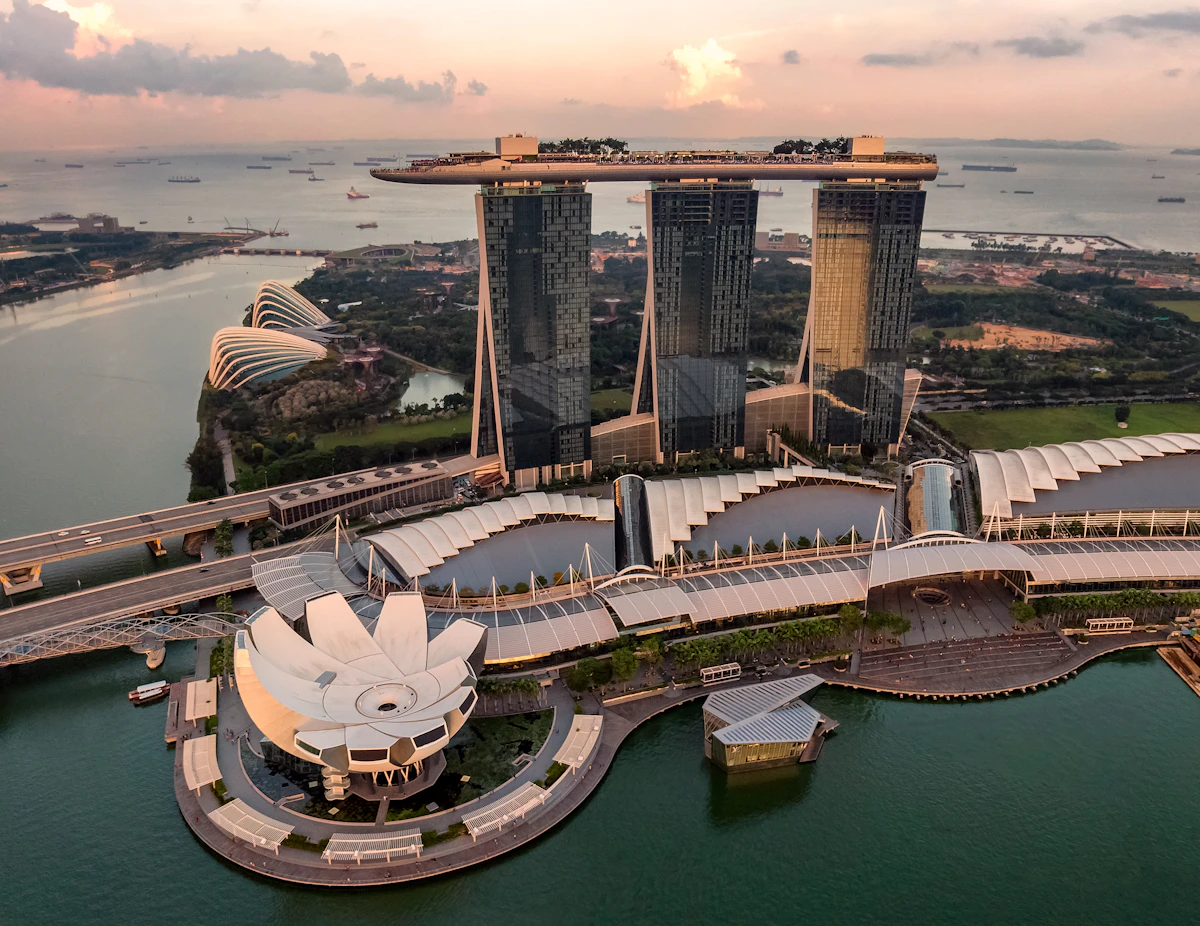
The Marina Bay waterfront is a strong choice for free sightseeing, city photography and an evening walk. You can enjoy the skyline, public promenades and views of landmark buildings without paying for an observation deck.
Start later in the afternoon if you want to avoid some of the midday heat. Check access arrangements and event notices before travelling, particularly during major public celebrations.
Singapore Botanic Gardens
The Singapore Botanic Gardens offers free general admission and extensive green spaces for a relaxed outdoor visit. The National Orchid Garden is a separate paid attraction, so you can explore the wider gardens without automatically adding its ticket to your budget.
Check the official Singapore Botanic Gardens website for opening information and visitor guidance. The gardens are a UNESCO World Heritage Site and provide a different experience from the modern waterfront district.
Chinatown and Little India
Chinatown and Little India are useful neighbourhoods for low-cost cultural exploration, street photography and browsing local shops. Walking through public streets and many outdoor areas costs nothing, although museums, guided tours and certain religious or cultural experiences may have their own conditions.
In Chinatown, explore traditional streets and public spaces before choosing whether to pay for a museum or guided activity. In Little India, take time to notice the architecture, markets and local businesses while respecting worshippers and community customs.
Merlion Park and nearby public spaces
Merlion Park is a popular free stop for photographs and views across Marina Bay. Combine it with nearby waterfront walks to avoid spending extra on transport between attractions that are already close together.
Keep a short list of paid experiences you genuinely want. For example, you could choose one conservatory visit and spend the rest of the day exploring public gardens and waterfront areas.
6. A Practical Three-Day Singapore Budget Travel Itinerary
The most efficient three-day plan groups nearby attractions, includes free experiences and reserves paid activities for the places you value most. This reduces unnecessary transport and helps you manage daily spending.
Day 1: Marina Bay and Gardens by the Bay
- Morning: Start with Merlion Park and explore the Marina Bay waterfront.
- Lunch: Choose a reasonably priced meal at a nearby food court or hawker centre.
- Afternoon: Visit the outdoor gardens at Gardens by the Bay.
- Evening: Check the Garden Rhapsody schedule and enjoy the public areas if the show fits your plans.
Keep the first day flexible. If the weather becomes uncomfortable, take a break indoors before continuing your walk. Add a conservatory ticket only if it fits your budget.
Day 2: Chinatown and the Singapore River
- Morning: Explore Chinatown’s streets and public cultural spaces.
- Lunch: Try a local rice or noodle dish and compare prices at several stalls.
- Afternoon: Walk towards the Singapore River and explore the surrounding public areas.
- Evening: Enjoy a relaxed waterfront walk or return to your accommodation for a lower-cost evening.
This day is particularly easy to adjust to your interests. If you prefer museums, select one and check its admission price and opening hours in advance.
Day 3: Singapore Botanic Gardens and Little India
- Morning: Visit the Singapore Botanic Gardens before the hottest part of the day.
- Lunch: Choose a local meal near your next stop.
- Afternoon: Explore Little India and its neighbourhood streets.
- Evening: Leave enough time to collect luggage and travel to the airport.
Do not schedule a distant attraction immediately before an international flight. Travel time, check-in requirements and unexpected delays matter more than squeezing in one last stop.
How much should you set aside for the itinerary?
Estimate the cost by category rather than assigning a guaranteed price to the entire itinerary. Add three days of food and transport, your accommodation for the actual number of nights, selected attraction tickets, airport transfers and a contingency amount.
For additional planning ideas, browse tours and activities and compare the total price of guided experiences with the cost of exploring independently.
7. Where to Stay in Singapore on a Budget
The best budget accommodation is a clean, well-reviewed property with convenient transport links and a total price that fits your trip. The cheapest room is not necessarily the cheapest option if reaching attractions requires repeated long journeys.

Compare accommodation types
| Accommodation type | Best for | Check before booking |
|---|---|---|
| Hostel dormitory | Solo travellers and very tight budgets | Privacy, luggage storage, reviews and room conditions |
| Budget hotel | Travellers who prefer a private room | Taxes, room size, cancellation terms and transit access |
| Guest accommodation | Travellers comparing smaller properties | Legal operating status, facilities and location |
| Family room | Families or small groups | Total occupancy cost and actual bed configuration |
Compare several neighbourhoods instead of restricting your search to the most famous landmarks. A room farther from Marina Bay may provide better value if it is close to an MRT station and saves enough money to offset the extra travel.
Before paying, confirm the complete price for all nights, taxes, service charges, deposit conditions, check-in time and cancellation rules. Review recent guest feedback and avoid assuming that photographs show the exact room you will receive.
Start with The Offers Guy’s hotel and accommodation resources to compare your lodging options.
8. Hidden Costs That Can Break a Singapore Travel Budget
The easiest way to avoid overspending is to identify costs that are not included in an advertised flight, room or attraction price. Small charges become significant when they repeat over several days.
- Accommodation taxes and service charges: Compare the final payable amount, not just the displayed nightly rate.
- Airport transport: Check public transport options, arrival time and the cost of any late-night alternative.
- Foreign transaction fees: Review your bank’s exchange rate and overseas payment charges.
- Paid attractions: Some areas are free while indoor exhibits, elevated walkways and special experiences require tickets.
- Mobile data: Compare roaming charges with a local SIM or travel eSIM.
- Travel insurance: Include an appropriate policy in your overall trip budget.
- Weather-related changes: Keep a small reserve for transport or indoor activities if rain disrupts outdoor plans.
A useful budgeting formula is:
Total trip cost = airfare + accommodation + food + local transport + activities + insurance + entry-related costs + contingency.
For example, a S$50 saving on a hotel may not be a genuine saving if the property adds S$60 in transport expenses. Compare complete options over the same number of nights and days.
Travellers who need connectivity can compare options on our SIM cards and travel connectivity page. Check device compatibility, data limits, coverage and activation requirements before purchasing.
9. Singapore Entry Requirements and Practical Travel Tips
Before travelling, confirm your visa requirements, passport validity and Singapore Arrival Card obligations using Singapore’s official immigration website. Entry rules depend on your travel document and circumstances, and a visa does not automatically guarantee admission.
According to Singapore’s Immigration & Checkpoints Authority, travellers generally need a passport with at least six months of validity and must submit the SG Arrival Card within three days, including the day of arrival, before entering Singapore. Exceptions apply to specified categories of travellers and transit situations.
The SG Arrival Card is not a visa, and submission through the official ICA channels is free. Avoid unofficial websites that charge a service fee for this free declaration. Review the latest official Singapore entry requirements before departure.
Travellers who need a visa should check the official Singapore visa guidance and follow the process applicable to their nationality. If you are travelling on a Pakistani passport, verify the current visa requirements specifically for Pakistani citizens rather than relying on advice written for visa-exempt nationalities.
Final pre-departure checklist
- Confirm passport validity and visa requirements.
- Submit the SG Arrival Card through official channels within the permitted period.
- Keep confirmed accommodation and onward or return travel details accessible.
- Check flight baggage allowances and airport arrival instructions.
- Save offline copies of reservations and important travel documents.
- Check current transport fares, attraction hours and ticket conditions.
- Pack lightweight clothing, comfortable walking shoes and a compact umbrella.
Entry conditions can change, so official government sources should take priority over older blog posts. Plan early enough to resolve document or visa questions before buying non-refundable services.
Final Takeaway: Plan a Better-Value Singapore Trip
A successful Singapore budget travel guide should help you decide where to spend money and where you can enjoy the city for free. Focus on public transport, hawker-centre meals, outdoor gardens, cultural neighbourhoods and a small number of paid attractions that genuinely interest you.
For a three-day visit, group attractions by location, compare accommodation using the final price, and build a separate allowance for flights, insurance and unexpected costs. Check official immigration and transport information before departure, since entry rules and fares may change.
The aim is not to make every experience as cheap as possible. It is to spend carefully on the experiences you value most while keeping your overall travel budget under control.
Frequently Asked Questions
1. How much money do I need for three days in Singapore?
A budget-conscious traveller can use S$210–S$390 as an initial three-day allowance at S$70–S$130 per day, excluding international flights if the daily estimate does not include them. Add accommodation separately only when it is not already included in your daily figure.
2. Can I explore Singapore without paying for attractions?
Yes. You can visit public areas around Marina Bay, explore Chinatown and Little India, walk through the outdoor areas of Gardens by the Bay, and visit the Singapore Botanic Gardens without buying tickets for every activity. Some special attractions and exhibitions charge admission.
3. What is the cheapest way to travel around Singapore?
MRT trains and public buses are usually practical low-cost choices. Compare current distance-based fares with any tourist pass you are considering, and group nearby attractions to avoid unnecessary journeys.
4. Is Singapore suitable for a low-budget first international trip?
Singapore can suit a budget-conscious first-time visitor who plans transport and food carefully. However, accommodation and international airfare can be expensive, so compare the complete trip cost with alternative destinations before booking.
5. Which areas are useful for budget accommodation in Singapore?
Compare hostels and budget hotels in several neighbourhoods with good MRT access rather than looking only around Marina Bay. Choose based on total price, recent reviews, room conditions, transport links and the places you plan to visit.
6. Is the Singapore Arrival Card free?
Yes. Singapore’s ICA provides free SG Arrival Card submission through its official e-Service and MyICA Mobile app. The arrival card is not a visa, and travellers who require a visa must meet that separate requirement.
7. How can Pakistani travellers check Singapore visa requirements?
Travellers using Pakistani passports should consult Singapore’s official Ministry of Foreign Affairs visa guidance and the Immigration & Checkpoints Authority. Confirm the applicable visa process before booking non-refundable travel arrangements.
8. Is the Singapore Tourist Pass worth buying?
The pass may offer value if you expect to take many covered journeys during its validity period. Travellers making only a few short trips should compare the pass price against individual fares before deciding.
9. What is the best way to reduce Singapore hotel costs?
Compare dates, accommodation types and neighbourhoods, then check the final price including taxes and fees. A reasonably priced room near an MRT station may offer better overall value than a cheaper property with expensive or inconvenient transport.
Editorial note: Cost ranges in this guide are illustrative planning estimates, not live quotations. Confirm current prices, opening hours, transport fares and entry requirements with official providers before travelling.