Planning a Hong Kong and Macau budget travel itinerary can be expensive if you book accommodation in the wrong area, pay for unnecessary transfers, or underestimate the cost of crossing between the two destinations. The smarter approach is to compare the complete trip cost, use public transport, choose free attractions strategically, and decide whether Macau deserves a day trip or an overnight stay.
This guide explains how to plan six days across Hong Kong and Macau, compare ferry and bus connections, choose affordable accommodation, estimate expenses, and avoid common budgeting mistakes. It is designed for independent travelers who want a practical itinerary without paying for a tour package they do not need.
Before choosing your dates, compare your expected airfare with our flight planning resources and review the official Hong Kong visitor information for transport, payments, and entry guidance.
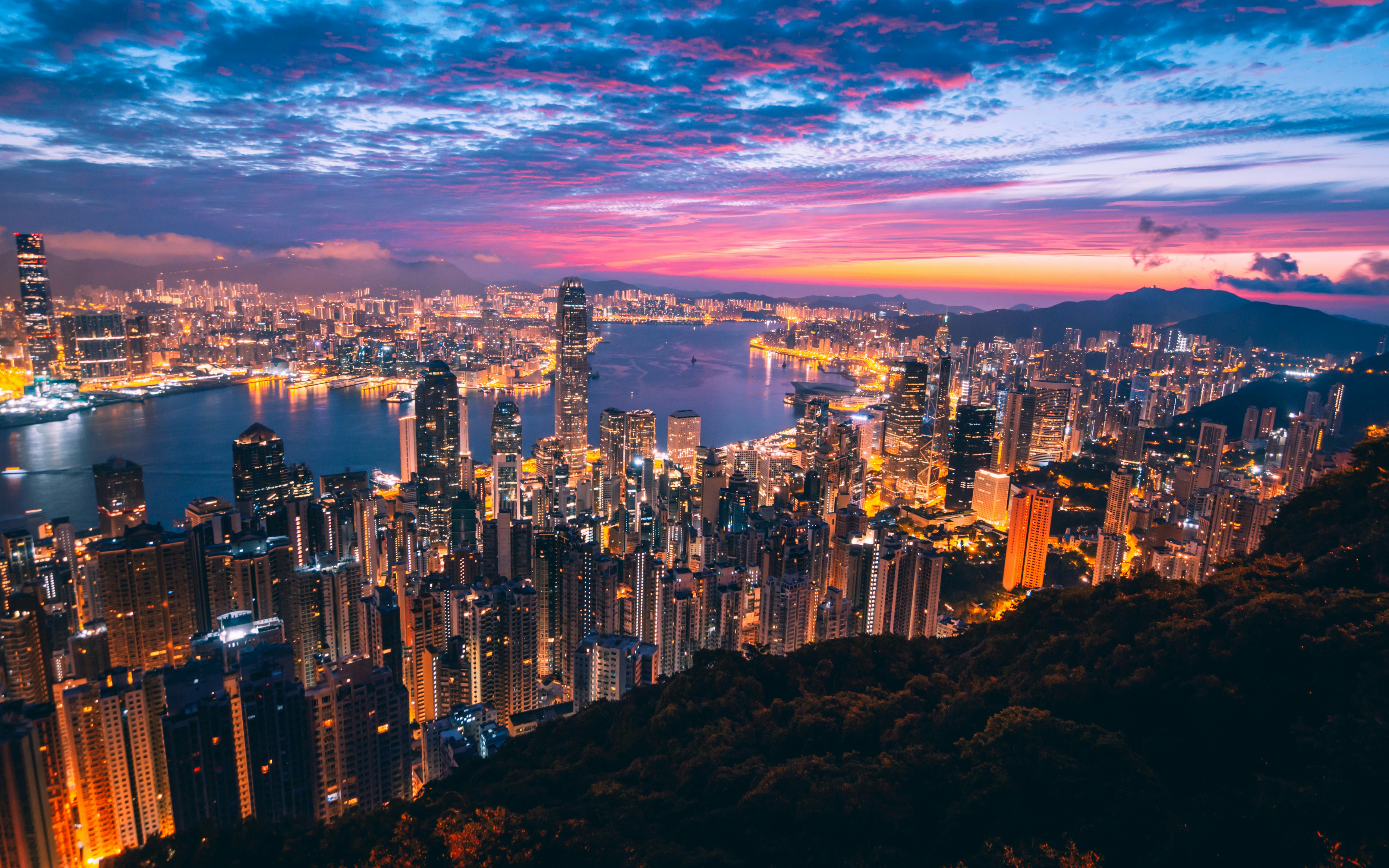
1. Hong Kong and Macau Budget Travel: What Should You Know?
The most practical approach is to spend four days in Hong Kong and two days exploring Macau, adjusting the split to match your interests and accommodation budget. Hong Kong offers dense urban neighborhoods, waterfront walks, markets, hiking routes, and an extensive public transport network. Macau adds historic streets, Portuguese-influenced architecture, heritage sites, and distinctive local food.
Although the two destinations are geographically close, they have separate immigration controls and different currencies. Hong Kong uses the Hong Kong dollar (HKD), while Macau uses the Macanese pataca (MOP). Hong Kong dollars are also widely accepted in Macau, but change may be given in patacas. Check the current exchange rate and payment terms before paying.
For travelers comparing several destinations, our guide to the cheapest travel destinations provides a broader framework for evaluating accommodation, transport, and daily spending.
Is six days enough for both destinations?
Six days is enough for a useful introduction to Hong Kong and Macau without changing hotels every night. Four days in Hong Kong provide time for major districts and outdoor attractions, while two days in Macau allow a more relaxed heritage-focused visit.
- Choose Hong Kong as your main base if you prefer frequent transport connections and a wider selection of accommodation.
- Consider one overnight stay in Macau if you want to explore its historic center at a slower pace.
- Choose a day trip if your schedule is short and the ferry or bus timetable fits your plans.
2. How Much Does a Hong Kong and Macau Budget Trip Cost?
Calculate your total trip cost by adding accommodation, meals, local transport, intercity transfers, activities, insurance, and entry-related expenses. There is no single price that applies to every traveler because airfare, season, room type, exchange rates, and passport requirements can substantially change the final total.
Use the following planning formula before making reservations:
Total trip cost = international flights + accommodation + food + local transport + Hong Kong–Macau transfers + activities + insurance + miscellaneous expenses.
The example below is a budgeting worksheet, not a live quotation. Replace every amount with current prices for your travel dates.
| Expense | Example planning allowance per person | How to control it |
|---|---|---|
| Accommodation | HK$250–600 per night | Compare guesthouses, hostels, and budget rooms. |
| Food | HK$100–200 per day | Mix local eateries, bakeries, and inexpensive meals. |
| Local transportation | HK$40–100 per day | Group nearby attractions and use public transport. |
| Hong Kong–Macau transfer | Check current return fares | Compare ferry and cross-boundary bus prices. |
| Activities | HK$0–200 per day | Balance free attractions with selected paid experiences. |
These figures are illustrative allowances, not verified October 2026 market prices or guaranteed minimums. Accommodation can exceed the example range during major events, holidays, or periods of high demand. Confirm the final price, taxes, cancellation terms, and room occupancy before booking.
How to compare the cost of two itineraries
The cheaper itinerary is the one with the lower complete cost, not necessarily the lowest hotel rate. A more convenient hotel may reduce transport expenses, while a slightly cheaper hotel far from an MTR station can add daily fares and travel time.
For example, assume a room costs HK$100 more per night but saves HK$40 in daily transport for two people over four days. The additional room expense is HK$400, while the transport savings total HK$160. The more expensive room still costs HK$240 extra, so you should decide whether its convenience is worth that difference.
This simple comparison helps prevent a low advertised room rate from disguising a more expensive trip. You can also compare affordable vacation destinations before deciding whether to extend your stay or choose another destination.
3. A Practical Six-Day Hong Kong and Macau Itinerary
A six-day route works best when each day focuses on one area instead of repeatedly crossing the city. The itinerary below combines recognizable attractions with free or low-cost activities and leaves room for weather, queues, and transport changes.
Day 1: Explore Tsim Sha Tsui and Victoria Harbour
Start in Tsim Sha Tsui, a convenient district for waterfront sightseeing, shopping streets, and harbor views. Walk along the promenade, explore nearby public spaces, and watch the skyline change as evening approaches.
Keep your first day flexible because arrival times, immigration queues, and luggage collection can make a tightly scheduled itinerary difficult. Choose accommodation with practical airport or railway connections rather than paying for a private transfer automatically.
Day 2: Visit Central, Sheung Wan, and the Peak area
Explore Central and Sheung Wan on foot, where older streets, commercial buildings, small shops, and historic areas provide a contrast to the waterfront. Plan your walking route in advance to avoid doubling back across steep streets.
If you want to visit Victoria Peak, compare the available transport options and current admission charges for any paid attraction. Walking routes can be rewarding, but steep gradients and humid weather may make them unsuitable for some visitors.
Day 3: Choose an outdoor or island experience
Dedicate this day to a suitable Hong Kong hiking trail, a waterfront area, or a public beach. The best option depends on the weather, your fitness, and the amount of time you want to spend away from the urban center.
Check trail conditions and the forecast before leaving. Carry water, suitable footwear, sun protection, and enough time to return using public transport.

Day 4: Visit a local market and prepare for Macau
Use the fourth day for a neighborhood market, a local food stop, and any Hong Kong attraction you missed earlier. Check your onward transfer, accommodation arrangements, and entry documents before departure.
Decide whether you will return to Hong Kong the same day or stay overnight in Macau. A day trip can reduce hotel changes, but an overnight stay may be worthwhile if you want to explore historic areas after the busiest visiting hours.
Day 5: Explore Macau’s historic center
Start in the historic center and visit Senado Square, the Ruins of St. Paul’s, and nearby streets. These locations allow travelers to explore Macau’s architectural heritage without making every stop a paid attraction.
Follow local signs and respect pedestrian restrictions. Some sites have limited access or temporary closures, so check current information before setting out.

Day 6: Discover Taipa and return
Spend the final day exploring Taipa’s historic streets, local shops, and food options before returning to Hong Kong or departing from Macau, depending on your flight arrangements.
Allow a generous buffer for border formalities and transport delays. Do not schedule a tight connection between a cross-boundary transfer and an international flight, especially when the bookings are separate.
4. How to Travel Between Hong Kong and Macau for Less
Compare the ferry and cross-boundary bus by total price, departure location, arrival location, journey time, and luggage arrangements. The best option depends on where you are staying and whether you need to reach Hong Kong Island, Kowloon, or Macau’s Taipa area.
Option 1: Take a ferry
Ferries connect Hong Kong and Macau through several terminals. The Hong Kong Tourism Board lists services from the Hong Kong–Macau Ferry Terminal in Sheung Wan and the Hong Kong–China Ferry Terminal in Tsim Sha Tsui, with journey times commonly around 55–60 minutes depending on the service.
Check current routes, operating times, fares, luggage rules, and terminal arrangements directly with the Hong Kong Tourism Board’s transport guide and the relevant ferry operator. Timetables and services can change.
Option 2: Use the Hong Kong–Zhuhai–Macau Bridge bus
The cross-boundary shuttle bus is another option for traveling between Hong Kong and Macau. However, the journey involves reaching the relevant bridge ports and completing the required border formalities.
Consult the Macao Government Tourism Office’s land-travel guidance for current transport options. Add the cost of getting to and from each port before comparing the bus with a ferry.
Ferry or bus: Which should you choose?
| Factor | Ferry | Cross-boundary bus |
|---|---|---|
| Best suited to | Travelers near a ferry terminal | Travelers whose route suits the bridge ports |
| Journey planning | Check terminal and sailing times | Check bus departures and border procedures |
| Additional costs | Transport to and from terminals | Transport to and from bridge ports |
| Important check | Current sailing and luggage rules | Current operating schedule and border arrangements |
For local travel in Hong Kong, compare the MTR, buses, trams, and ferries. An Octopus card or another accepted payment method can simplify many journeys, but check current card terms, fares, and any deposit or refund conditions before purchasing.
5. Where Should Budget Travelers Stay?
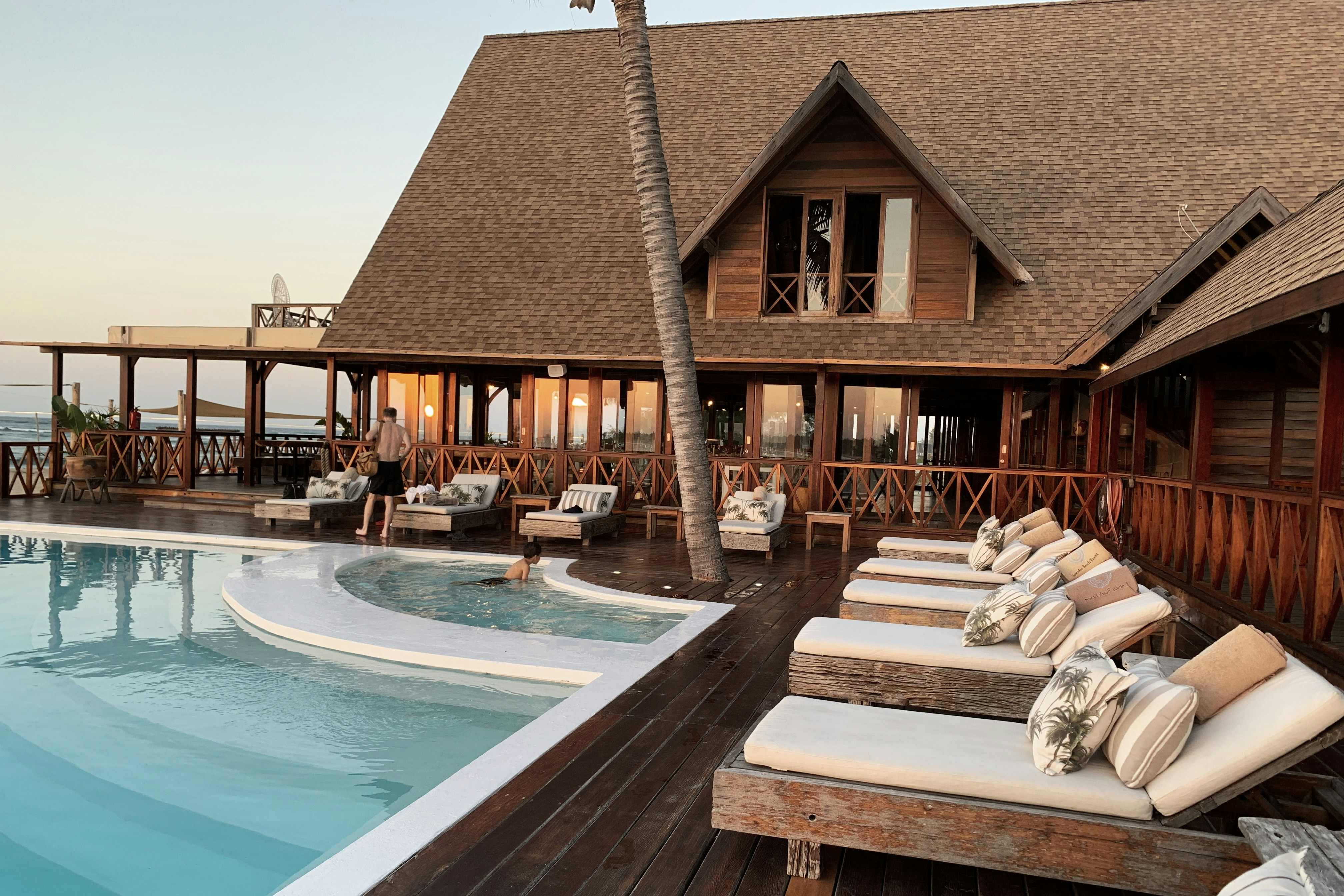
Choose accommodation based on the complete nightly cost, room conditions, transport access, and cancellation policy. In Hong Kong, Tsim Sha Tsui, Jordan, Yau Ma Tei, and Mong Kok are useful areas to compare because they offer different combinations of transport connections, shops, and dining options.
Do not assume that every property in a popular district is inexpensive. Room rates can rise during holidays, major events, and busy travel periods. Compare multiple properties for the same dates and occupancy.
How to select a lower-cost room
- Compare the total price after taxes and mandatory charges.
- Check the room’s actual size, facilities, and occupancy limits.
- Read recent guest feedback about cleanliness, noise, and location.
- Calculate walking distance to public transport.
- Review luggage storage, check-in times, and cancellation conditions.
Macau can work as either a day trip or an overnight stay. Compare the extra hotel night with the cost of returning to Hong Kong and the time needed for transport. If you decide to stay overnight, check the location carefully rather than choosing solely by the advertised price.
Compare options through our hotels and accommodation resources before committing to a booking.
6. Free and Affordable Things to Do in Hong Kong and Macau
Build your itinerary around public spaces, heritage streets, waterfront walks, and selected paid attractions. You do not need to buy a ticket for every memorable experience.
Affordable Hong Kong activities
- Walk along the Tsim Sha Tsui waterfront and enjoy harbor views.
- Explore Central and Sheung Wan’s streets and historic areas.
- Visit public parks and suitable hiking routes.
- Explore local markets while keeping shopping spending under control.
- Compare free public viewpoints with paid observation decks.
Affordable Macau activities
- Explore Senado Square and nearby historic streets.
- Visit the exterior areas around the Ruins of St. Paul’s.
- Walk through Taipa’s historic district.
- Explore public squares and heritage areas at a comfortable pace.
- Choose one paid attraction only if it fits your interests and budget.
Opening times, access restrictions, and admission rules vary by attraction. Check official destination information before visiting, particularly around public holidays or during adverse weather.
Travelers comparing several destinations can also use our budget travel destinations guide to learn how to balance sightseeing costs against accommodation and transportation.
7. How to Keep Food and Daily Expenses Under Control
Set a daily food allowance and combine local eateries, bakeries, casual restaurants, and occasional special meals. This gives you room to experience local cuisine without letting every meal become a major expense.
Before ordering, check menu prices and whether a service charge applies. In Hong Kong, the Tourism Board notes that many restaurants add a 10% service charge, although practices differ by establishment.
A simple daily spending method
- Choose a realistic daily food budget.
- Keep breakfast simple when that suits your accommodation and schedule.
- Choose local eateries for some meals rather than relying entirely on tourist-area restaurants.
- Carry water where practical and permitted.
- Record larger purchases so you can adjust spending during the trip.
For connectivity, compare roaming, eSIM, and local SIM options before departure. Review our SIM card and connectivity resources and check device compatibility, coverage, data allowances, and activation requirements.

8. Entry Requirements, Payments, and Travel Preparation
Check entry requirements separately for Hong Kong and Macau using your passport nationality and travel circumstances before booking non-refundable travel. The destinations have separate immigration systems, so permission to enter one does not automatically establish permission to enter the other.
For Hong Kong, use the Hong Kong Immigration Department’s official visit visa guidance. For Macau, check the Macao Government Tourism Office’s entry requirements page and follow its official immigration links.
Travelers holding Pakistani passports should pay particular attention to visa requirements and processing times. Confirm whether a visa is needed for each destination and allow sufficient time for approval before purchasing non-refundable tickets.
What should you prepare before departure?
- Check passport validity and the entry conditions for both destinations.
- Confirm whether visas or entry permits are required.
- Check ferry or bus timetables and the terminal location.
- Keep accommodation confirmations and onward travel details accessible.
- Review travel insurance coverage and exclusions.
- Carry a suitable payment method and understand exchange rates.
- Check weather forecasts and possible transport disruptions.
For broader planning, our travel insurance resources can help you understand the types of cover to compare. Review policy terms directly with the insurer rather than assuming every policy covers the same risks.
9. Common Hong Kong and Macau Budget Travel Mistakes
The biggest budgeting mistakes are underestimating transfer costs, choosing accommodation without checking its location, and assuming that entry requirements or transport schedules will remain unchanged. A few checks before departure can prevent expensive changes during the trip.
Booking a transfer without checking the terminal
Hong Kong has multiple ferry terminals, and Macau also has different arrival points. Check the exact terminal on your ticket and calculate the cost and time of reaching your next stop.
Trying to visit too many attractions in one day
Long cross-city journeys can consume time and add transport costs. Group nearby attractions and leave space for meals, queues, and unexpected delays.
Ignoring visa processing time
Do not assume that a short trip automatically qualifies for visa-free entry. Confirm the official rules for your passport before finalizing travel arrangements.
Relying on old prices or timetables
Fares, operating schedules, accommodation prices, and admission charges can change. Use current official operator information and final booking prices rather than treating older online examples as guaranteed rates.
Forgetting the return journey
Calculate the full cost of returning to Hong Kong or reaching your departure airport. Leave enough time for border procedures and avoid risky connections between separately booked services.
10. Frequently Asked Questions
Use the expandable questions below to find practical answers before planning your trip.
How many days do you need for Hong Kong and Macau?
Six days is a useful starting point, with four days in Hong Kong and two days for Macau. Shorter trips can include a Macau day trip, while travelers interested in hiking, museums, or slower sightseeing may prefer additional time.
Is Macau affordable for a day trip from Hong Kong?
A Macau day trip can be economical when the transfer cost and schedule suit your plans. Compare return transportation, meals, local transport, and paid attractions against the cost of staying overnight before deciding.
Is a ferry or bus cheaper between Hong Kong and Macau?
The cheaper option depends on current fares, your starting location, the arrival terminal, and local transport costs. Compare the complete door-to-door price rather than the ticket alone.
Can you explore Hong Kong without expensive tours?
Yes. Travelers can explore public waterfronts, historic neighborhoods, markets, parks, and suitable hiking routes independently. Check transport connections and attraction requirements before visiting.
Which Hong Kong neighborhoods should budget travelers compare?
Tsim Sha Tsui, Jordan, Yau Ma Tei, and Mong Kok are useful starting points for accommodation searches. Compare actual room prices, cleanliness, transport access, room size, and cancellation terms for your dates.
Do Hong Kong and Macau use the same currency?
No. Hong Kong uses the Hong Kong dollar, while Macau uses the Macanese pataca. Hong Kong dollars are commonly accepted in Macau, but exchange and change practices can differ, so check the terms before paying.
Do Pakistani passport holders need visas for Hong Kong and Macau?
Pakistani passport holders should verify the current requirements for both destinations separately. Consult the Hong Kong Immigration Department and the Macao Government Tourism Office before booking non-refundable travel, and allow time for any required visa application.
What is the best way to save money on accommodation?
Compare the total price after taxes and fees, then consider transport access, room conditions, and cancellation terms. A convenient room may save enough time and transportation expense to justify a slightly higher rate.
Are there free things to do in Macau?
Yes. Walking around Senado Square, exploring public streets in the historic center, and visiting the exterior areas around the Ruins of St. Paul’s can be part of a low-cost itinerary. Confirm current access and opening conditions before visiting.
When should I book transportation between Hong Kong and Macau?
Check current schedules as soon as your dates are confirmed, particularly during busy travel periods. Book according to the operator’s current conditions and allow enough time for terminal access and immigration procedures.
Final Takeaway: Plan the Complete Trip, Not Just the Cheapest Ticket
A successful Hong Kong and Macau budget travel itinerary combines convenient accommodation, public transport, free sightseeing, carefully chosen paid activities, and verified entry requirements. Start by estimating the complete trip cost, then build a route that minimizes unnecessary journeys.
For a six-day trip, four days in Hong Kong and two days in Macau provide a practical balance for many first-time visitors. Adjust the schedule according to your interests, travel dates, and available budget.
Before booking, compare flights, accommodation, ferry or bus transfers, food, activities, insurance, and visa requirements. Use official sources for current transport and entry information, and treat example budgets as planning tools rather than guaranteed prices.
For more trip-planning ideas, explore our guides to cheap international destinations, budget travel destinations, and affordable accommodation planning.