Killarney National Park with kids is an excellent choice for families who want easy woodland walks, lake views, wildlife spotting and historic attractions without committing to a demanding mountain hike. The best approach is to choose one or two nearby attractions, allow time for breaks, and check trail conditions before setting out.
Located in County Kerry in southwest Ireland, the park includes lakes, ancient woodlands, mountains, historic buildings and family facilities. This guide explains which walks to consider, how to plan a manageable day, what to budget for, and how to make the visit work for different ages.
1. Why Is Killarney National Park Good for Families?
Killarney National Park suits families because visitors can combine gentle walks, playground time, wildlife observation and historic attractions without paying an entrance fee for the park itself. The key is choosing activities that match your children’s energy and mobility rather than trying to cover the entire landscape.
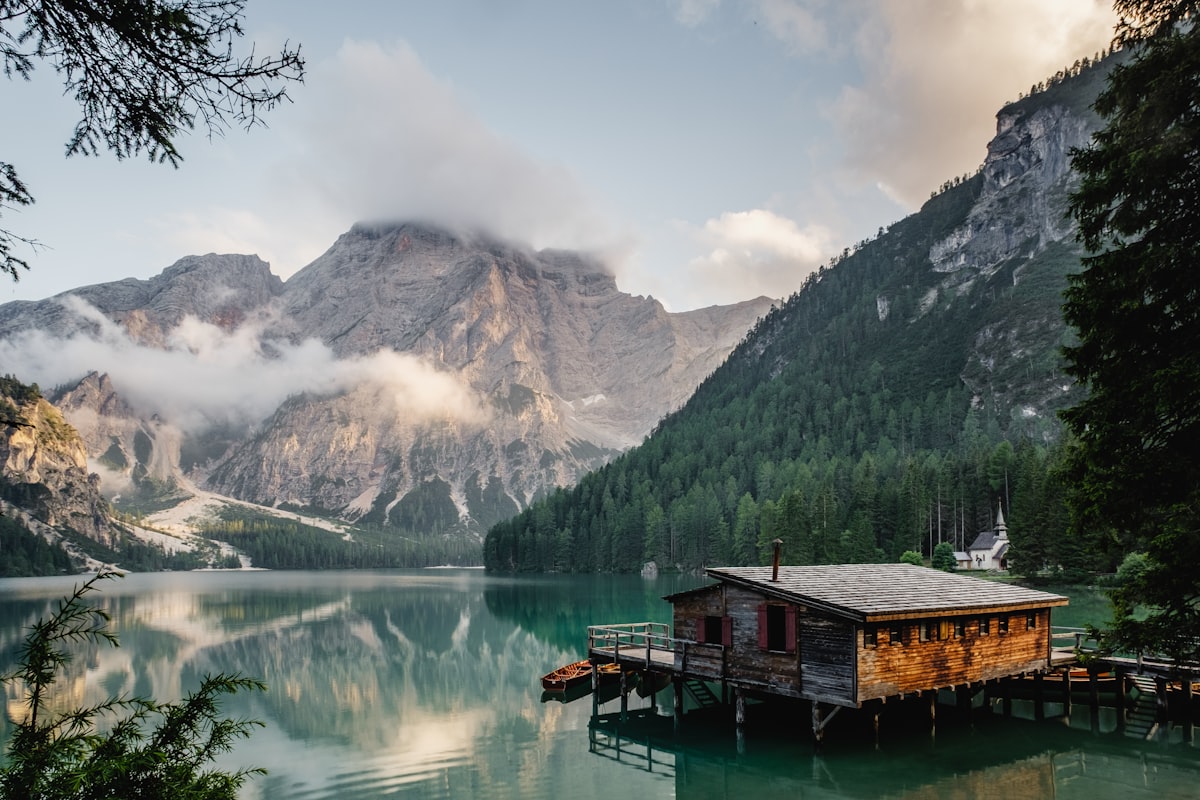
The park covers approximately 26,000 acres and includes Lough Leane, Muckross Lake, woodland paths and well-known landmarks. Its size means you should plan around a particular starting point instead of assuming every attraction is within a short walk of the next.
- For toddlers: Prioritize short outings, playground time and frequent snack breaks.
- For primary-school children: Add a waterfall visit, a wildlife-spotting game or a short woodland trail.
- For teenagers: Consider a longer walk, cycling on permitted routes or a heritage visit.
Families planning a broader trip can use this Ireland itinerary with kids to coordinate Killarney with other stops without creating an exhausting travel schedule.
Pro tip: Give each child a small mission, such as spotting different leaf shapes, listening for birds or finding a safe viewpoint. It turns a simple walk into an activity without requiring extra equipment.
2. Which Killarney National Park Walks Are Best for Kids?
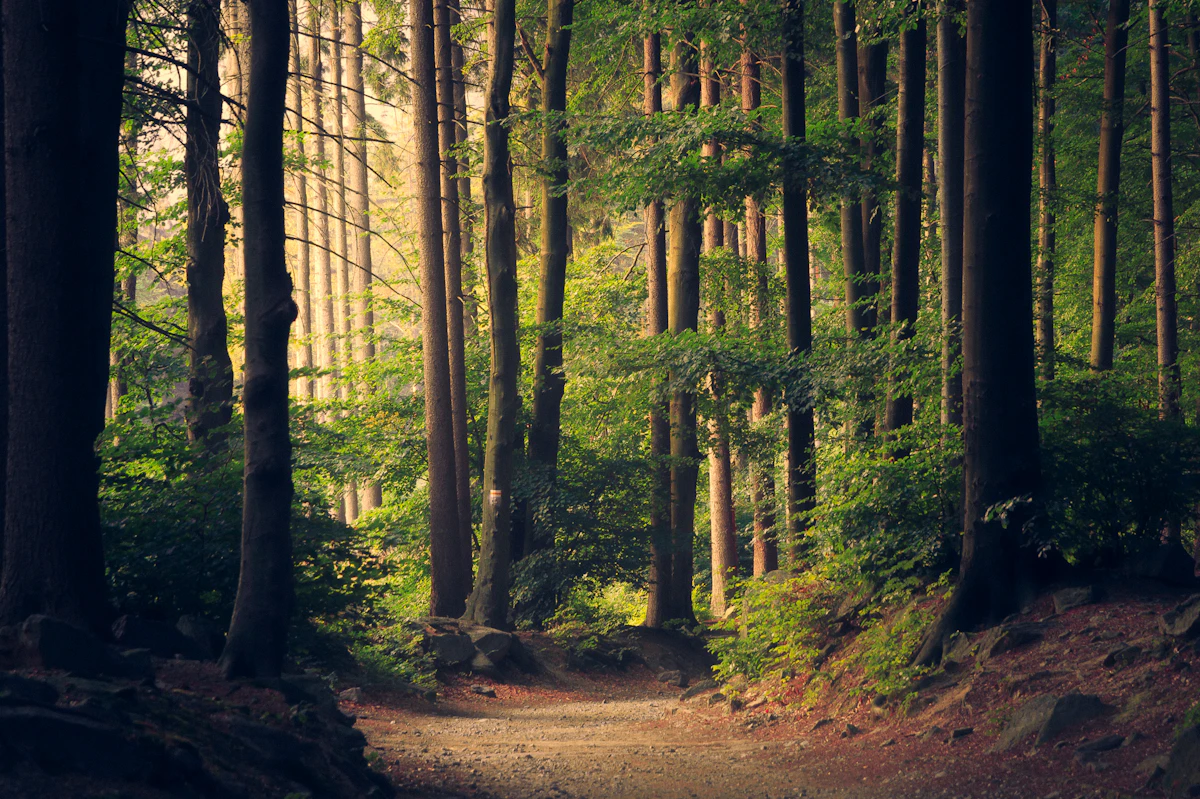
The Knockreer Circular Walk, Old Boathouse Trail and Dundag to Torc Path are useful starting points for families seeking relatively gentle routes. Trail length, surface conditions and the needs of your youngest walker should determine which option you choose.
| Walk | Published distance | Best suited to | Planning note |
|---|---|---|---|
| Old Boathouse Trail | About 1 km | Families wanting a short outing | Mostly flat, with lake views |
| Dundag to Torc Path | About 2.5 km return | Children comfortable with a longer walk | Mostly flat; alternative return sections can be rough or muddy |
| Knockreer Circular Walk | About 5 km | Older children and families with walking stamina | Allow plenty of time and plan breaks |
Distances and route descriptions are based on the official Killarney National Park walking-trail guide. Check current trail information before departure because weather, maintenance and local conditions can affect suitability.
Choose the walk that matches your family
For very young children, start with the shortest suitable route and treat the walk as an out-and-back activity if necessary. This avoids the pressure of completing a long circuit when little legs become tired.
- Check the route length and starting point.
- Look at the forecast and ask locally about muddy or uneven sections.
- Allow more time than the walking distance alone suggests.
- Turn back if the conditions or your child’s energy level change.
For more route-planning ideas, see these best hikes with kids. Remember that a trail described as easy is not necessarily suitable for every stroller or wheelchair.
3. How to Visit Torc Waterfall With Children
Torc Waterfall is a memorable family stop, especially when children enjoy the sound of rushing water and a short woodland approach. However, wet steps, uneven ground and slippery surfaces mean parents should assess the route rather than assume the waterfall is fully accessible.

Make the waterfall stop easier
The easiest visit is one planned around daylight, suitable footwear and enough time to walk at a child’s pace. Avoid squeezing the stop into the final minutes of a packed itinerary.
- Wear shoes with good grip, particularly after rain.
- Keep children close around water, steps and slippery rocks.
- Bring a light waterproof layer and a spare pair of socks.
- Check current parking information and do not assume spaces will be available at the smallest car park.
Some visitors combine the waterfall with the Dundag to Torc Path. Check the official route description and choose the shortest suitable approach for your group.
Note: A waterfall visit does not need to become a long hike. For younger children, a short walk followed by a snack and a quiet break may be a better experience than adding another trail.
4. Family Attractions Beyond the Walking Trails
Muckross House and Gardens, Ross Castle, Killarney House and Gardens, and the park’s playgrounds provide alternatives when children need variety. Pick attractions in the same general area to limit repeated driving and unnecessary walking.

Muckross House and Gardens
Muckross is a practical choice for families who want gardens, historic surroundings and nearby facilities. The house and gardens are within the national park, but admission to the house and some other heritage attractions is separate from free park access.
Check the official Muckross visitor information for current opening times, admission prices and seasonal access before leaving your accommodation. Families with young children may prefer the grounds to a longer indoor visit.
Ross Castle and the lakes
Ross Castle combines a historic setting with access to lakeside scenery and nearby walking routes. Children interested in castles can enjoy the exterior and grounds even if a guided interior tour does not fit the family’s schedule.
Interior access is guided and can be affected by visitor demand. Check Heritage Ireland’s Ross Castle visitor page for current tour arrangements and accessibility information.
Playgrounds and wildlife spotting
A playground break can make a family day more manageable than adding another sightseeing stop. The park’s official visitor information identifies an inclusive playground accessible from Port Road and a woodland playground at Muckross Traditional Farms.
The traditional farms have separate admission requirements, so check opening dates and prices. Keep wildlife observation at a respectful distance, and never feed or approach wild deer.
5. A Practical One-Day Killarney National Park Itinerary With Kids
A realistic family itinerary includes one main walk, one major attraction and enough unscheduled time for lunch, toilets and rest. The times below are a planning example, not a promise about current opening hours or journey durations.

| Suggested time | Activity | Why it works |
|---|---|---|
| 9:30 am | Start at Killarney House and Gardens | Get oriented and check visitor information |
| 10:00 am | Take a suitable short walk | Children have energy for outdoor exploration |
| 11:30 am | Snack and toilet break | Reduces fatigue before the next stop |
| 12:00 pm | Lunch or picnic | Keeps the day flexible and budget-conscious |
| 1:00 pm | Choose Torc Waterfall or Muckross | Focus on one major afternoon activity |
| 3:00 pm | Playground, photos or a gentle stroll | Lets children finish the day at a comfortable pace |
Families with toddlers can shorten the morning walk and skip the second major attraction. Older children may enjoy a longer trail, but add it only if the weather and energy levels cooperate.
For a multi-stop holiday, use this guide to the best things to do in Ireland with kids to choose activities for other days instead of cramming everything into Killarney.
6. How Much Does a Family Visit Cost?
Walking in Killarney National Park and visiting its gardens generally costs nothing, but heritage attractions, transport, food and equipment can add to the day’s budget. The most reliable way to estimate the total is to separate free activities from optional paid experiences.

| Expense | Budget approach |
|---|---|
| National park access | Free |
| Walking and outdoor sightseeing | Usually free |
| Picnic lunch | Set a grocery budget before departure |
| Heritage attractions | Check current family and child ticket rates |
| Transport or bike hire | Compare the cost for your group and route |
| Extra snacks and rainy-day activities | Keep a small contingency |
For a simple planning calculation, add transport, food and any admission fees for each person. For example, if a family budgets €20 for transport, €25 for food and €30 for a paid attraction, the planned total is €75. These figures are an illustration, not current quoted prices.
Families staying overnight can compare options through hotel and accommodation planning. If you are building a longer trip, compare car and bike rental options with public transport before deciding how to reach each attraction.
7. Getting Around Killarney National Park With Children
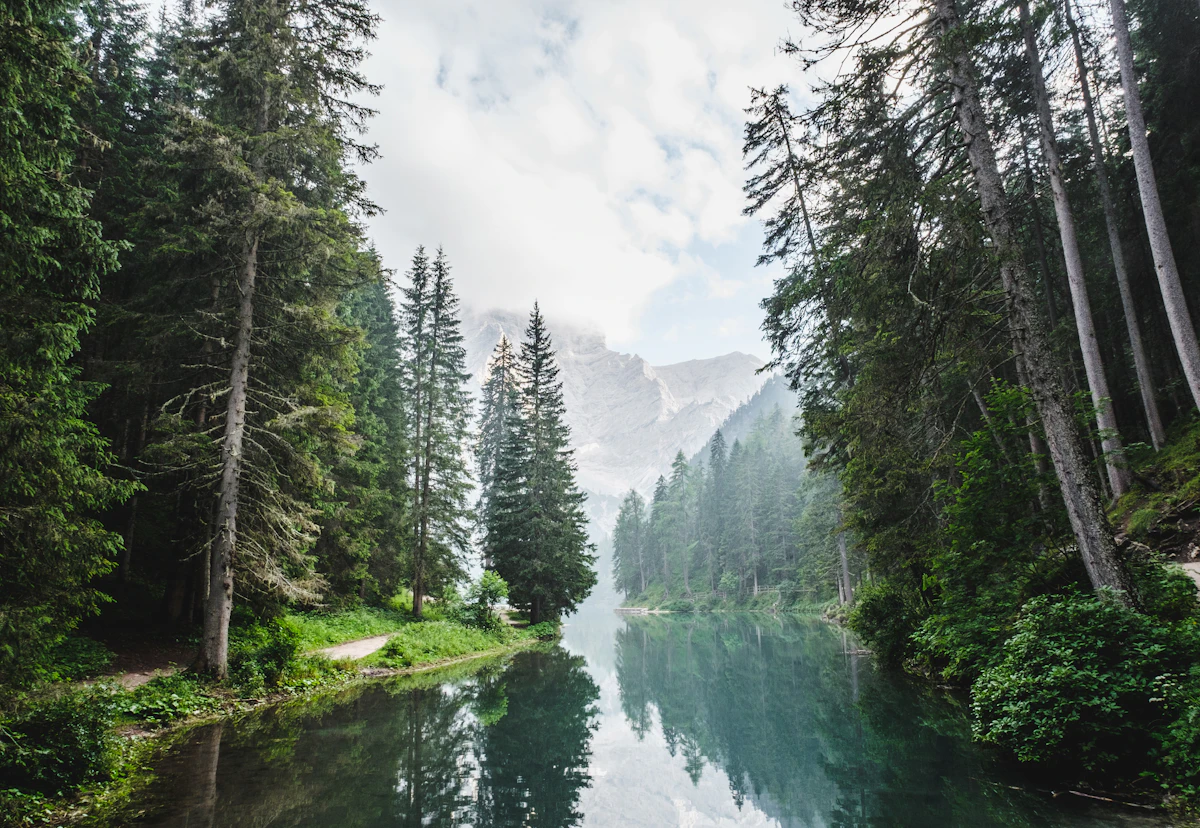
The best transport option depends on where you stay, the ages of your children and how many attractions you plan to visit. Walking works well around some areas, while a car, local bus service or bicycle may make a multi-stop day easier.
- On foot: Best for short routes and areas close to your accommodation.
- By car: Useful for combining distant visitor sites, but smaller car parks may fill quickly.
- By bicycle: A possible option for families with confident cyclists; follow posted routes and give pedestrians priority.
- By local transport: Check current routes and seasonal services before relying on them for a timed visit.
The national park’s official visitor information page explains access, facilities and current visitor guidance. Do not assume that every site has identical transport links or accessibility arrangements.
For families organizing several activities around Ireland, tours and activities planning can help compare guided experiences with independent visits.
8. What Should Families Pack for Killarney?
Pack waterproof layers, comfortable walking shoes, water, snacks and a small change of clothes for children. County Kerry’s weather can change, and a dry morning does not guarantee dry paths throughout the day.

- Waterproof jackets and spare layers.
- Comfortable shoes with good grip.
- Refillable water bottles and easy-to-carry snacks.
- Sun protection for brighter weather.
- A small first-aid kit and any essential personal supplies.
- Spare socks and a bag for wet clothing.
- A charged phone with offline maps or saved directions.
- Binoculars or a simple wildlife-spotting checklist, if useful.
Keep the load light. Young children often need more breaks than adults expect, and carrying too much can turn a short walk into a tiring outing. For more preparation advice, see these practical family travel tips.
9. Safety, Accessibility and Common Family Mistakes
A safe family visit means staying on suitable paths, supervising children closely near lakes and waterfalls, and adapting plans to weather and mobility needs. The park is a natural environment rather than a controlled playground, so conditions can vary between locations.
Keep children safe around water
Lakes can be deep with sudden changes in depth, and there is no lifeguard on duty at the park’s lakeshores. Never allow children to swim or paddle without close supervision, and do not treat a shallow-looking edge as automatically safe.
Check accessibility before choosing a route
Some paths are smooth and relatively level; others include rough ground, steps, mud or slopes. Families using strollers or mobility aids should check the specific route and facility before travelling. An attraction being family-friendly does not guarantee that every path is step-free.
Avoid these planning mistakes
- Trying to visit every major attraction in one day.
- Assuming all trails remain dry after rain.
- Arriving late and expecting parking at a small car park.
- Forgetting that some houses, farms and tours charge separate admission.
- Approaching or feeding deer and other wildlife.
- Leaving rubbish behind or picking plants.
For official information on routes, visitor facilities and park rules, consult National Parks of Ireland before travelling. For a broader holiday, compare the park with other options in these family trip planning resources.
Frequently Asked Questions
These answers cover the practical questions families commonly need to settle before visiting Killarney National Park. Select a question to reveal its answer.
Is Killarney National Park free to visit with children?
Yes. Access to the national park and its gardens is generally free. Some heritage attractions, including Muckross House, the traditional farms and guided experiences, charge separate admission fees. Check official sites for current prices.
What is the easiest walk for families with young children?
The Old Boathouse Trail is a useful short option, listed at approximately 1 km and mostly flat. Check current conditions and choose a route appropriate for your child’s mobility and stamina.
Can we visit Torc Waterfall with a stroller?
Do not assume the entire approach is stroller-friendly. Steps, uneven ground and wet surfaces can make access difficult. Check current access details and consider a carrier for a young child if suitable for your family.
How long should we spend in Killarney National Park?
Allow at least half a day for a short walk and one main attraction. A full day gives families more flexibility for lunch, playground time and a second stop, but young children may enjoy a shorter visit more.
Can children see deer in Killarney National Park?
Wild deer live in the park, but sightings are never guaranteed. Observe them quietly from a safe distance and never feed, chase or attempt to touch them.
Are there toilets and baby-changing facilities?
Facilities are available at several visitor locations, including the visitor centre and Muckross House and Gardens area. Opening hours can vary, so check the official visitor information and plan toilet breaks before longer walks.
What should we do on a rainy day?
Choose a shorter walk if conditions are safe, wear waterproof layers, or consider a heritage visit with indoor areas. Check attraction opening times before travelling, and avoid exposed or slippery routes when the weather deteriorates.
Is one day enough for Killarney National Park with kids?
Yes, one day is enough to enjoy a short walk and one or two nearby attractions. It is not enough to explore the entire park thoroughly, so prioritize what suits your family’s interests and energy levels.
Final Takeaway
Killarney National Park with kids works best when families keep the itinerary flexible, choose age-appropriate walks and focus on a few rewarding stops. Start with a manageable trail, make time for food and rest, and add Torc Waterfall, Muckross or Ross Castle if conditions and energy allow.
Before leaving, check official park updates, attraction opening times, trail conditions and transport arrangements. A thoughtful plan will help your family enjoy the lakes, woodlands, wildlife and heritage of County Kerry without turning a relaxing outdoor day into a race.