Snaefellsnes Peninsula Iceland with Kids is an excellent choice for families who want dramatic coastlines, volcanic landscapes, fishing villages, black-sand beaches, and scenic road trips without driving around the entire country. The best family experience comes from spending two days exploring the peninsula, choosing short walks, and allowing plenty of time for weather changes and breaks.
Located in western Iceland, the Snæfellsnes Peninsula is often called “Iceland in Miniature” because it brings together mountains, lava fields, beaches, coastal cliffs, and glacier scenery in one region. Families can photograph Kirkjufell, explore the Arnarstapi coastline, look for seals at Ytri Tunga, and visit traditional villages along the route.
This guide explains which attractions work best for children, how to plan a realistic two-day itinerary, where to stay, how to manage costs, and which safety precautions matter most when driving around western Iceland.
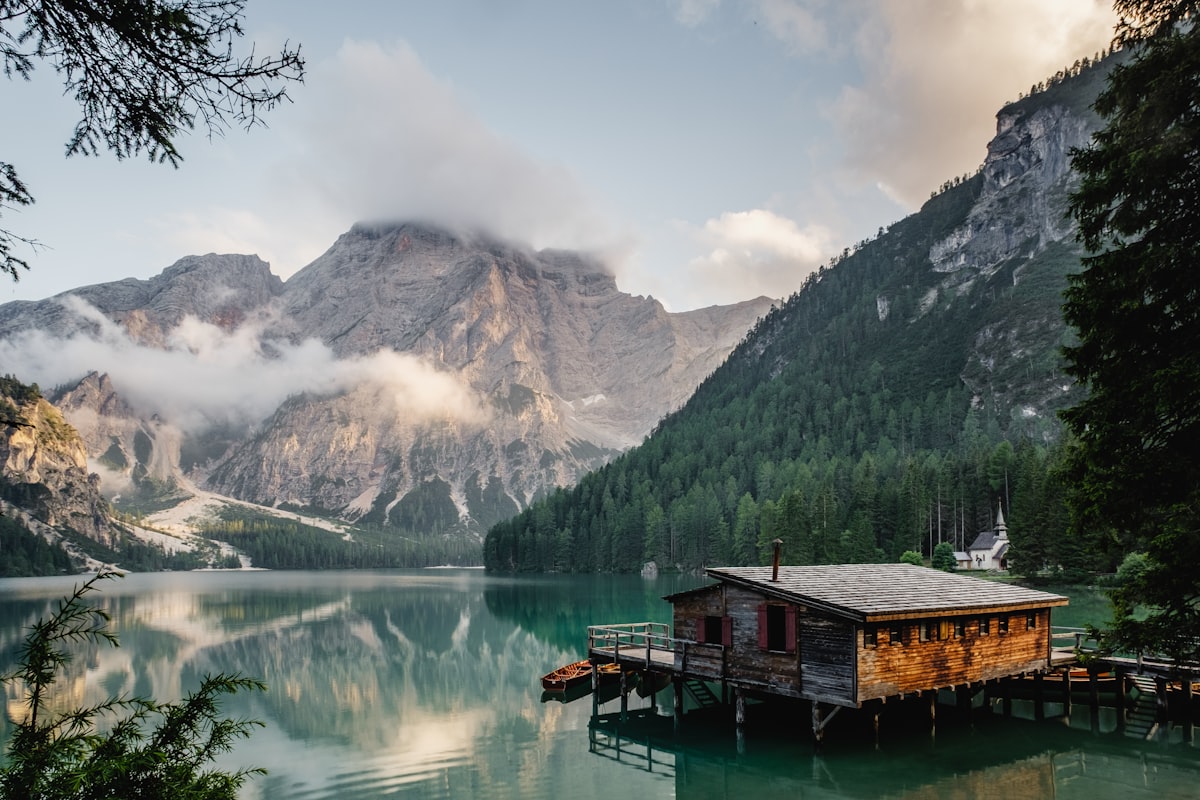
Why Visit the Snaefellsnes Peninsula Iceland with Kids?
The peninsula is ideal for families who want several types of Icelandic scenery in one manageable road-trip region. Instead of committing to long journeys across the country, parents can combine mountain viewpoints, beaches, coastal walks, and village stops within a flexible itinerary.
The region is particularly useful for families who enjoy outdoor exploration but do not want every activity to involve a demanding hike. Many highlights can be appreciated from designated parking areas or through relatively short walks, although access, terrain, and weather vary by location.
- Varied scenery: Visit volcanic landscapes, beaches, mountains, and coastal viewpoints.
- Flexible activities: Choose short walks for younger children and longer coastal trails for older kids.
- Wildlife opportunities: Look for seals at suitable viewing locations while keeping a respectful distance.
- Road-trip convenience: Use a single accommodation base or divide the peninsula into two manageable days.
- Educational experiences: Introduce children to volcanoes, glaciers, fishing villages, and Icelandic geology.
Families comparing other child-friendly destinations can also explore our guides to family travel planning and family vacation destinations.
9 Best Things to Do on the Snaefellsnes Peninsula with Kids
The best family stops combine interesting scenery with manageable walking distances and straightforward access. The following places offer different experiences, so choose the stops that suit your children’s ages, interests, and the weather on your travel dates.
1. Photograph Kirkjufell and Kirkjufellsfoss

Kirkjufell is one of Iceland’s most recognizable mountains and a memorable photography stop for families. Near Grundarfjörður, the mountain rises above the surrounding landscape, while nearby Kirkjufellsfoss adds waterfalls to the scenery.
Children can enjoy identifying the mountain’s distinctive shape and watching the waterfall from designated viewing areas. The walk around the waterfall area is not a playground, however, and wet surfaces, uneven ground, and exposed water require close supervision.
Family tip: Visit when visibility is good and allow extra time for parking and photographs. Do not climb barriers or approach slippery edges to get a better picture.
For a family with young children, this stop is usually best treated as a short scenic visit rather than a long hike.
2. Explore the Arnarstapi Coastal Walk
Arnarstapi offers dramatic sea cliffs, unusual rock formations, and coastal scenery that children can explore on a short outing. The village is a practical place to stop, stretch your legs, and enjoy the Atlantic coastline.
The walking route toward Hellnar is popular with visitors, but the distance covered depends on where you start and finish. Families do not need to complete the entire route to enjoy the scenery.
Keep children well away from cliff edges, follow marked paths, and avoid exposed viewpoints when strong winds make standing difficult. Waves can reach unexpectedly dangerous areas along the shore.
Family tip: Choose a short out-and-back walk instead of committing to the full coastal route if you have toddlers or children who tire quickly.
3. Visit Djúpalónssandur Black Pebble Beach
Djúpalónssandur is a striking beach known for its dark pebbles, rugged coastline, and historic remnants from Iceland’s fishing past. It offers an opportunity to discuss how coastal communities lived and worked in challenging conditions.
This beach is not a safe swimming destination. Powerful waves, unpredictable surf, slippery stones, and changing sea conditions make close supervision essential.
Walk only on appropriate access routes and follow all signs and closures. Do not turn your back on the ocean or allow children to run toward the water.
Family tip: Keep the visit short in windy or wet conditions. If the surf is rough, admire the scenery from a safe designated viewpoint rather than approaching the shoreline.
4. Look for Seals at Ytri Tunga Beach

Ytri Tunga is known as a place where visitors may see seals resting along the coast. For children, watching wildlife can be one of the most memorable parts of exploring the peninsula.
Seal sightings are never guaranteed. The animals may be far away, difficult to spot, or absent during your visit, so treat the stop as a wildlife opportunity rather than a promised encounter.
Bring binoculars if you have them, keep children at a respectful distance, and never attempt to touch or feed the animals. Follow local signs and protect the wildlife habitat.
Family tip: Give children a simple wildlife-watching challenge: observe quietly, look for movement, and describe what they notice without disturbing the animals.
5. Discover Búðir and Its Black Church
Búðir provides a peaceful stop for photographs and a look at one of Iceland’s distinctive historic church settings. The black church, Búðakirkja, stands against a landscape of open fields, lava formations, and distant mountains.
The surrounding area is useful for a short break between longer driving sections. Children can appreciate the contrast between the dark building and the natural landscape, while parents can enjoy photography without planning a strenuous activity.
Respect the church property, follow access signs, and avoid entering private areas. Weather can change quickly in this exposed part of the peninsula.
Family tip: Pair the stop with another nearby attraction rather than scheduling a long visit. The value is the scenery and atmosphere, not a large collection of activities.
6. Explore Snæfellsjökull National Park

Snæfellsjökull National Park introduces families to a landscape shaped by volcanic activity, coastal erosion, and glacial processes. The ice-capped Snæfellsjökull volcano is a prominent landmark, although cloud cover can hide its summit.
Choose accessible viewpoints and short walks that match your children’s abilities. Do not assume that every path near the glacier is suitable for a casual family walk. Glacier travel and more demanding volcanic terrain require appropriate expertise and equipment.
Use the official Visit Iceland guide to the Snæfellsnes Peninsula to research the region’s major attractions and plan your route.
Family tip: Explain the difference between a volcano and a glacier before the visit. The landscape becomes more interesting when children understand how ice and volcanic activity shape the environment.
7. Visit Hellnar Fishing Village
Hellnar is a useful stop for families who want a quieter village atmosphere and coastal views. Its historic fishing-community setting adds cultural context to the natural scenery around the peninsula.
Depending on the season, local businesses and food options may be limited. Check opening hours before relying on a particular café or restaurant, especially outside the busier summer months.
Families can use the village as a rest stop before or after exploring the nearby coastal paths. Keep the schedule flexible if the weather is windy or wet.
8. Walk Around Stykkishólmur Harbour
Stykkishólmur offers a convenient village stop with a harbour, local services, and opportunities to learn about life in western Iceland. It can be particularly useful for families who need a meal, groceries, or a break from driving.
Use the stop to replenish snacks, check the weather, and decide whether your family has enough energy for another attraction. A relaxed meal can be more valuable than squeezing one additional viewpoint into the itinerary.
Family tip: If your accommodation is nearby, use Stykkishólmur as a practical base for the northern part of the peninsula rather than driving back and forth unnecessarily.
9. Visit Saxhóll Crater
Saxhóll offers an accessible way to introduce children to Iceland’s volcanic landscape when the path and weather conditions are suitable. The crater provides a clear example of how volcanic activity has shaped the peninsula.
The climb includes stairs and may feel tiring for younger children. Strong winds, icy steps, or poor visibility can make the ascent unsuitable, so check conditions before starting.
Families should turn back if the stairs are slippery or the weather makes the exposed viewpoint uncomfortable. A volcanic landscape can still be appreciated from safer viewpoints nearby.
Family tip: Do not treat reaching the top as a requirement. Let the youngest child’s ability and the day’s conditions determine whether the climb makes sense.
A Practical Two-Day Snaefellsnes Peninsula Family Itinerary
Two days allow families to explore the main attractions at a more comfortable pace than a rushed day trip. The following plan is a suggested sequence, not a guarantee of exact driving times or access conditions. Allow extra time for meals, parking, photographs, and unexpected weather.
Day 1: Kirkjufell, Stykkishólmur, and the Northern Coast
- Morning: Start with Kirkjufell and the nearby waterfall area if conditions are suitable.
- Late morning: Continue toward Stykkishólmur for a harbour walk, lunch, and supplies.
- Afternoon: Choose another accessible northern-coast stop based on road conditions and family energy.
- Evening: Check into accommodation, eat dinner, and prepare the next day’s route.
This schedule avoids making the first day entirely about driving. It also leaves room to adjust if the mountain is obscured by cloud or the weather changes.
Day 2: Búðir, Arnarstapi, Djúpalónssandur, and Ytri Tunga
- Morning: Visit Búðir and enjoy a short photography stop.
- Late morning: Explore a suitable section of the Arnarstapi coastal walk.
- Lunch: Eat at an available local business or use packed food if options are limited.
- Afternoon: Visit Djúpalónssandur or Saxhóll if weather, access, and children’s energy permit.
- Optional stop: Add Ytri Tunga for wildlife viewing if the route and daylight allow.
Do not attempt every stop if the weather is poor or children are tired. It is better to enjoy two or three places safely than rush through the whole peninsula.
For additional planning support, see our guides to family trips and choosing hikes with kids.
What Is the Best Time to Visit the Snaefellsnes Peninsula with Kids?
Summer is generally the easiest season for families seeking longer daylight and a wider choice of outdoor activities, while other seasons require more flexibility. Conditions vary from year to year, so no season guarantees good weather or unrestricted access.
| Season | Potential Advantages | Family Considerations |
|---|---|---|
| Summer | Long daylight and generally easier sightseeing logistics | Popular attractions may be busy; wind and rain remain possible |
| Spring | Changing landscapes and fewer visitors at some stops | Cold weather, muddy paths, and variable conditions |
| Autumn | Seasonal colours and opportunities for quieter visits | Shorter daylight and rapidly changing weather |
| Winter | Snowy scenery and possible northern lights | Ice, storms, darkness, and road closures can disrupt plans |
Families visiting in winter should prioritize safe road conditions and available daylight over a long list of attractions. Northern lights are never guaranteed, and children may find late-night outings tiring.
Before each day’s drive, consult SafeTravel Iceland, the Icelandic Meteorological Office, and the official Iceland road-condition map.
Driving the Snaefellsnes Peninsula with Children
A standard car is generally sufficient for the main paved peninsula route, but vehicle choice must match the roads you actually plan to use and the conditions on the day. You do not need to choose a remote or difficult route to enjoy the region’s major sights.
Build the itinerary around a small number of stops rather than calculating the day solely from map distances. Children need breaks, and weather can slow driving considerably.
Important family driving precautions
- Use an appropriate child restraint. Iceland requires children under 135 cm to use a suitable car seat.
- Make sure every passenger wears a seat belt.
- Check the forecast and road conditions before leaving and again during the day.
- Slow down on gravel and unfamiliar roads.
- Never stop in the traffic lane or at an unsafe roadside location to take photographs.
- Respect road closures and never drive off marked roads.
- Carry food, water, warm layers, and a charged phone.
Read the official Icelandic government guidance on children travelling in cars and SafeTravel’s Iceland driving safety advice before departure.
How Much Does a Family Trip to Snaefellsnes Cost?
The total cost depends on the season, accommodation, rental vehicle, food choices, and any paid activities your family selects. There is no single reliable price for every family, so build your budget using actual quotes for your travel dates.
| Budget Category | What to Include |
|---|---|
| Rental car | Rental price, insurance, fuel, and parking where applicable |
| Accommodation | Room size, family occupancy, breakfast, and cancellation terms |
| Food | Restaurant meals, groceries, drinks, and snacks |
| Activities | Guided tours, cave visits, or other optional paid experiences |
| Emergency reserve | Unexpected accommodation, transport, or weather-related costs |
Many outdoor viewpoints can be visited without buying an attraction ticket, although parking arrangements and individual activities can vary. Confirm fees and access rules before you travel.
Families can control spending by booking accommodation early when possible, packing snacks, preparing some meals, and avoiding unnecessary backtracking. Compare accommodation options through our hotel and accommodation guide.
Where Should Families Stay on the Peninsula?
The best base is the place that minimizes backtracking while providing suitable family accommodation and access to food and essential services. Stykkishólmur can work for exploring the northern side, while accommodation around the southern villages can make western attractions easier to reach.
For a two-day trip, families may prefer one accommodation base if the driving distances suit their itinerary. Alternatively, splitting the stay can reduce driving, but changing accommodation adds packing and check-in time.
Before booking, confirm the room’s maximum occupancy, bed arrangements, heating, kitchen access, breakfast availability, parking, and cancellation conditions. Smaller communities may have limited dining options or seasonal opening hours.
What Should You Pack for Iceland with Kids?
Pack waterproof outer layers, warm clothing, sturdy footwear, snacks, and essential child-specific supplies. The weather can change quickly, and the coast can feel much colder and windier than sheltered areas.
- Waterproof jackets and trousers.
- Warm layers and spare socks.
- Sturdy walking shoes with good grip.
- Hats and gloves appropriate to the season.
- Reusable water bottles and snacks.
- Child car seats or confirmed rental arrangements.
- Basic first-aid supplies and personal medicines.
- Charged phones and offline navigation.
- Binoculars for distant wildlife viewing.
- Plastic bags for wet clothing and rubbish.
Keep spare clothing accessible in the car rather than buried in the main luggage. This is particularly useful after rain or a windy beach stop.
Common Mistakes to Avoid on a Family Peninsula Trip
The biggest mistake is trying to see every attraction without allowing enough time for children, weather, and safe driving. A flexible plan produces a better experience than a tightly packed schedule.
- Rushing the route: Choose a few priorities each day instead of attempting every stop.
- Underestimating weather: Carry waterproof layers even when the morning looks clear.
- Approaching ocean edges: Keep children away from hazardous surf and unstable cliffs.
- Assuming wildlife is guaranteed: Treat seal watching as a possibility, not a promise.
- Ignoring seasonal access: Check closures, opening hours, and road status before departure.
- Overlooking food and fuel: Plan supplies before travelling through quieter areas.
- Following GPS blindly: Never follow a route that conflicts with road signs or official closures.
How to Make the Trip More Educational for Children
Simple observation activities can turn the road trip into a practical lesson about Iceland’s geology, wildlife, and coastal communities. You do not need expensive tours or elaborate worksheets to make the experience meaningful.
- Ask children to identify differences between volcanic rock, sand, and pebbles.
- Let them compare the shapes of mountains and explain what they notice.
- Use a map to track each village and attraction visited.
- Discuss why glaciers, volcanoes, wind, and waves change landscapes.
- Encourage quiet wildlife observation without disturbing animals.
- Ask each child to choose a favourite stop and explain why.
This approach is especially useful for school-age children who enjoy learning through real-world experiences. Keep activities optional so that the trip still feels like a holiday rather than a lesson.
Frequently Asked Questions
Open a question to read its answer.
Is the Snaefellsnes Peninsula worth visiting with kids?
Yes. The peninsula offers mountains, beaches, villages, coastal scenery, and wildlife-viewing opportunities. Families can choose short walks and scenic stops rather than committing to demanding hikes.
How many days do families need on the peninsula?
Two days are a practical choice for families who want to explore several attractions without rushing. One day is possible, but it usually requires prioritizing a smaller number of stops.
Can you visit Kirkjufell with young children?
Yes. Families can enjoy views of Kirkjufell and the nearby waterfall area, provided they use suitable paths and supervise children around slippery ground and water. Check current access and weather conditions.
Is Djúpalónssandur safe for children?
The beach can be visited with children when access is open and conditions are suitable, but the ocean is hazardous. Keep children well back from the water and follow local warnings and barriers.
Can families see seals at Ytri Tunga?
Seals may be visible at Ytri Tunga, but sightings are not guaranteed. Bring binoculars if available, keep your distance, and never touch or feed wildlife.
Do families need a 4×4 rental car?
A standard car is generally adequate for the main paved peninsula route. A different vehicle may be necessary for particular routes or conditions, so check official road information and your rental agreement before travelling.
What is the best month to visit with children?
Summer is often convenient for longer daylight and outdoor sightseeing, but weather can change in every season. Choose dates that fit your family and check conditions rather than relying on the calendar alone.
Can the peninsula be visited as a day trip from Reykjavík?
Yes, but it makes for a long day with several hours of driving. Families with young children may find an overnight stay more comfortable because it allows shorter driving periods and additional breaks.
Are there free activities on the peninsula?
Many scenic stops and outdoor experiences do not require a paid tour, although parking, access, and individual attractions can have specific rules or charges. Check current information before visiting.
What should families do if the weather becomes unsafe?
Cancel exposed walks, avoid hazardous coastal areas, and choose a safe indoor activity or return to accommodation. Check SafeTravel and official road information before deciding whether to continue driving.
Final Takeaway: Plan a Flexible Family Adventure
Snaefellsnes Peninsula Iceland with Kids is best enjoyed as a flexible road trip built around a handful of memorable stops. Kirkjufell, Arnarstapi, Djúpalónssandur, Ytri Tunga, and Snæfellsjökull National Park offer different ways to experience Iceland’s landscapes without requiring every family member to complete a difficult hike.
Plan two days if possible, choose accommodation strategically, carry weather-appropriate clothing, and leave room for breaks. Most importantly, prioritize safe driving, respect coastal hazards, and adapt your plans to the conditions rather than rushing to complete a checklist.
For more family travel planning, explore our family travel advice, family trip ideas, and hiking tips for families.
Travel information note: Access, weather, road conditions, opening hours, and fees can change. Confirm current details with official Icelandic resources before departure.