Travel to Kyoto in 2026 by planning your arrival, hotel, daily routes, transportation, attraction timing, budget, and crowd strategy before you go.
Kyoto is easier to enjoy when you plan by neighborhood instead of trying to see every famous attraction in one trip. This guide shows how to build a practical Kyoto trip around your available days, budget, travel season, and priorities.
If this is your first Japan trip, you can also use our guide to build a travel itinerary step by step before creating your Kyoto schedule.
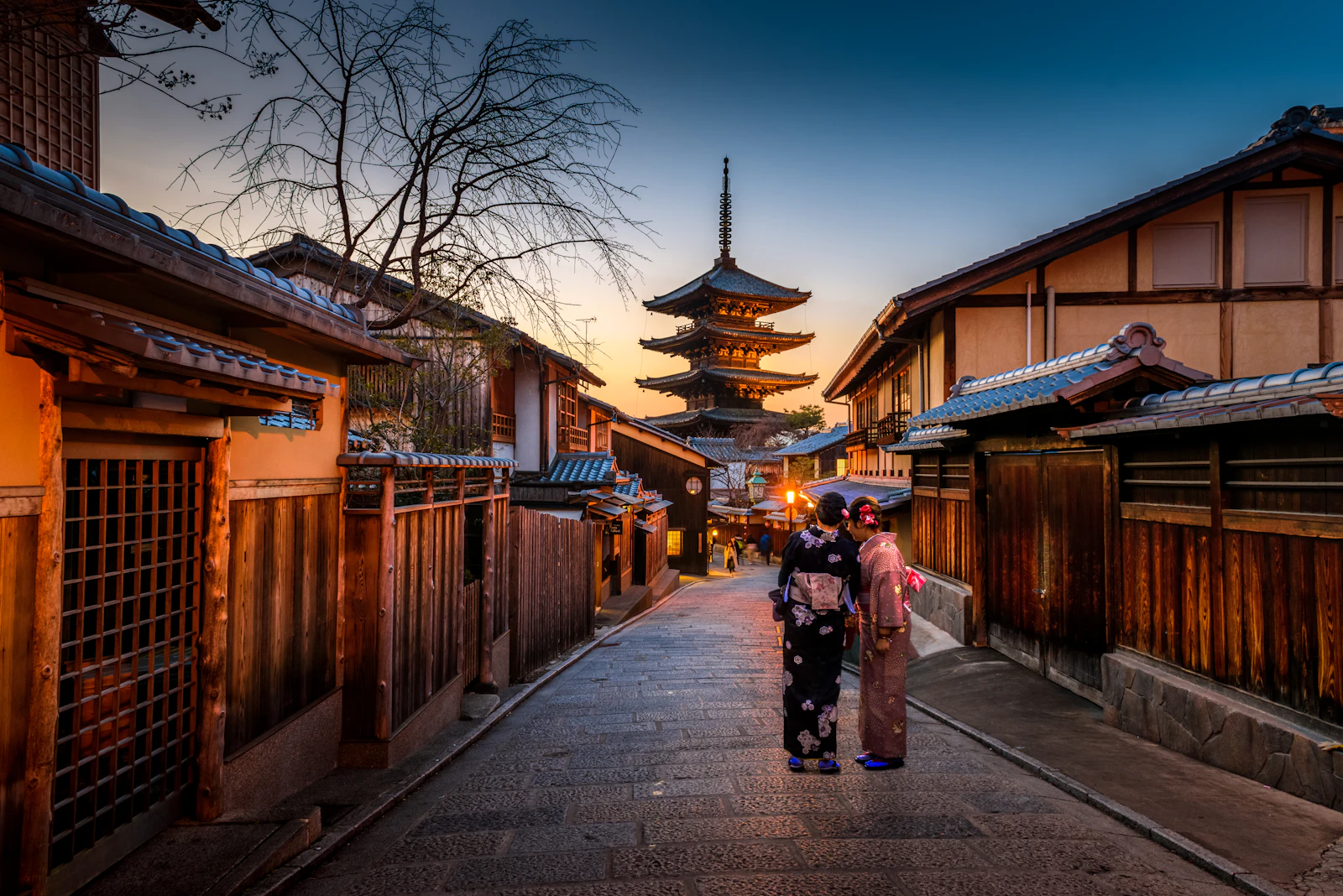
Is Kyoto Worth Visiting in 2026?
Kyoto is worth visiting in 2026 if you want historic temples, Japanese culture, traditional neighborhoods, gardens, food, and distinctive seasonal experiences.
Kyoto works especially well for first-time international visitors because you can combine major cultural attractions with walkable neighborhoods, rail connections, restaurants, markets, and day trips.
The important point is not to treat Kyoto as one sightseeing zone. Fushimi Inari Taisha, Kiyomizu-dera, Gion, Arashiyama, Kinkaku-ji, and other attractions are spread across different parts of the city.
Why Kyoto Is Different From Tokyo and Osaka
Kyoto offers a stronger concentration of historic temples, shrines, traditional streets, gardens, and cultural experiences than most major Japanese cities.
- Tokyo is better for large-city entertainment, shopping, and modern neighborhoods.
- Osaka is particularly strong for food, nightlife, and urban energy.
- Kyoto is especially valuable for traditional architecture, temples, gardens, and cultural experiences.
That makes Kyoto a useful part of a first Japan itinerary rather than a destination that needs to be compared only by the number of attractions.
How Many Days Should You Travel to Kyoto?
Three days is a practical starting point for traveling to Kyoto because it allows you to explore major eastern, western, and central areas without rushing every attraction.
Your ideal trip length depends on whether Kyoto is your only destination or one stop on a wider Japan itinerary.
One Day in Kyoto
A one-day Kyoto trip should concentrate on one geographic area rather than crossing the city repeatedly.
Focus on Fushimi Inari Taisha, Higashiyama, Kiyomizu-dera, and Gion if you want a first introduction to traditional Kyoto.
Two Days in Kyoto
Two days are enough to experience major Kyoto highlights if you organize each day around nearby attractions.
- Day 1: Fushimi Inari, Kiyomizu-dera, Higashiyama, and Gion.
- Day 2: Arashiyama, Kinkaku-ji, and nearby northern Kyoto attractions.
Three Days in Kyoto
A three-day Kyoto itinerary gives first-time visitors enough flexibility for major sights, slower meals, and one less crowded experience.
Use the third day for central Kyoto, a cultural activity, or a carefully selected day trip.
Five Days in Kyoto
Five days allow travelers to explore Kyoto more slowly while adding food experiences, quieter temples, shopping, and a nearby day trip.
Longer stays are particularly useful during spring and autumn because popular attractions can require more time when visitor numbers are high.
What Is the Best Time to Travel to Kyoto?
The best time to travel to Kyoto depends on whether you prioritize pleasant weather, seasonal scenery, lower crowds, or potentially better accommodation value.
Traveling to Kyoto in Spring
Spring is attractive for cherry blossoms but usually requires earlier accommodation planning because seasonal demand can be strong.
Cherry blossom timing varies by year, so avoid building a non-refundable trip around an exact flowering date months in advance.
Traveling to Kyoto in Summer
Summer can be hot and humid, so early sightseeing, hydration, lighter schedules, and indoor breaks become more important.
Start major outdoor attractions early and avoid creating an itinerary that requires several hours of walking during the hottest part of the day.
Traveling to Kyoto in Autumn
Autumn is popular for colorful foliage, but popular temples and scenic areas can become significantly busier during peak foliage periods.
Reserve accommodation early and use early-morning sightseeing when possible.
Traveling to Kyoto in Winter
Winter can provide a quieter Kyoto experience, although colder weather and shorter daylight hours require more careful scheduling.
Winter can be useful for travelers who prefer cultural sightseeing without building the entire trip around peak seasonal scenery.
Best Season for a Lower-Crowd Kyoto Trip
Lower-crowd travel is usually easier when you avoid the most popular seasonal peaks and visit major attractions early in the day.
There is no single guaranteed quiet month because crowd levels change by attraction, weekday, weather, events, and international travel demand.
How to Travel to Kyoto From Tokyo, Osaka, and KIX
The best way to travel to Kyoto depends on your starting point, with Shinkansen trains being especially practical from Tokyo and rail services connecting Kyoto with Osaka and Kansai International Airport.
How to Travel to Kyoto From Tokyo
The Tokaido Shinkansen is generally the most straightforward option for travelers going from Tokyo to Kyoto.
Services such as Nozomi and Hikari provide direct rail connections between Tokyo and Kyoto. Check current schedules and fares before booking because service patterns can change.
How to Travel to Kyoto From Osaka
Traveling from Osaka to Kyoto is straightforward by rail, making Osaka a practical base when Kyoto accommodation is expensive or unavailable.
JR trains and other rail options connect Osaka with Kyoto, with the best choice depending on your departure station and destination within Kyoto.
How to Travel to Kyoto From Kansai International Airport
The Haruka limited express is one of the convenient rail choices for traveling from Kansai International Airport to Kyoto Station.
Airport buses and other rail connections can also be useful depending on your hotel location, luggage, and arrival time.
Before leaving the airport, check whether your accommodation is closer to Kyoto Station, another railway station, or a subway stop.
Should You Fly From Tokyo to Kyoto?
Flying is usually less convenient when your destination is central Kyoto because the airport transfer adds time before and after the flight.
Compare total journey time rather than airfare alone. A cheap flight can become less attractive after airport transfers, baggage, and waiting time.
For travelers planning several Japanese cities, our Japan flights guide can help with the broader airfare-planning part of the trip.
Where to Stay When Traveling to Kyoto
The best place to stay in Kyoto depends on whether you prioritize transportation, traditional atmosphere, nightlife, sightseeing access, or lower accommodation costs.
Kyoto Station
Kyoto Station is one of the most practical areas for first-time visitors who value rail connections and easy arrival and departure.
The location is especially useful if Kyoto is one stop in a multi-city Japan itinerary.
Gion and Higashiyama
Gion and Higashiyama suit travelers who want traditional streets, cultural attractions, restaurants, and atmospheric evening walks nearby.
The trade-off is that popular areas can be busy and accommodation may be more expensive.
Kawaramachi
Kawaramachi is useful for travelers who want central access to restaurants, shopping, nightlife, and nearby attractions.
Arashiyama
Arashiyama suits travelers who prioritize scenery and a quieter neighborhood atmosphere over central transportation convenience.
Where to Stay Near Kyoto When Hotels Are Fully Booked
Osaka can be a practical alternative base when Kyoto hotels are fully booked, especially for travelers comfortable using regional trains.
This strategy can protect your trip when peak-season Kyoto accommodation becomes difficult to find.
Compare the extra daily transport time against the hotel savings before choosing Osaka as your base.
Ryokan or Hotel in Kyoto
A ryokan is worth considering for travelers who want a more traditional Japanese accommodation experience, while hotels usually provide simpler international-style stays.
For a first trip, one night in a ryokan can be enough if your budget does not support a full traditional stay.
How to Get Around Kyoto for First-Time Visitors
The best Kyoto transportation strategy combines trains, the subway, walking, and occasional taxis instead of relying on buses for every attraction.
Use Trains for Longer Connections
JR and private railway lines are useful when your route follows a railway corridor, particularly for areas such as Fushimi and Arashiyama.
Use the Kyoto City Subway Strategically
The subway is useful for central Kyoto routes but does not reach every major tourist attraction directly.
Walk Within One District
Walking becomes especially efficient when you group nearby temples, streets, restaurants, and cultural attractions together.
This is one reason geographic planning can save more time than simply buying another transportation pass.
When to Use Taxis
Taxis can make sense when several travelers are sharing the fare or when a short connection would otherwise require multiple transfers.
Do Not Overload Buses With Large Luggage
Large suitcases can make crowded Kyoto buses and trains uncomfortable, so use luggage delivery or storage when practical.
Kyoto’s official luggage guidance encourages hands-free sightseeing and provides information about luggage delivery and storage services.
Best Things to Do When You Travel to Kyoto
The best Kyoto attractions for first-time visitors are easier to enjoy when each attraction is planned around timing, location, and the time available that day.
1. Visit Fushimi Inari Taisha
Fushimi Inari Taisha is best known for its extensive path of vermilion torii gates and is particularly rewarding early in the day.
Allow extra time if you want to walk farther into the mountain rather than stopping near the entrance.
2. Explore Kiyomizu-dera
Kiyomizu-dera combines a famous wooden stage, temple architecture, hillside scenery, and access to historic Higashiyama streets.
3. Walk Through Gion
Gion is valuable for traditional streets and cultural atmosphere, but visitors should respect private spaces and local rules.
4. Explore Higashiyama
Higashiyama works well as a walking district because several historic attractions can be combined in one route.
5. Visit Arashiyama
Arashiyama combines the Bamboo Grove, Tenryu-ji, riverside scenery, and surrounding temples in western Kyoto.
6. See Kinkaku-ji
Kinkaku-ji is one of Kyoto’s most recognizable temples and fits best into a northern Kyoto route.
7. Visit Ryoan-ji
Ryoan-ji is known for its Zen rock garden and can be paired geographically with Kinkaku-ji.
8. Explore Nishiki Market
Nishiki Market is useful for travelers interested in Kyoto food, ingredients, snacks, and local culinary culture.
9. Visit Nijo Castle
Nijo Castle provides a different historical experience from Kyoto’s temples and shrines and fits naturally into a central Kyoto itinerary.
10. Walk the Philosopher’s Path
The Philosopher’s Path is best treated as part of a northern Higashiyama route rather than an isolated attraction.
11. Visit Ginkaku-ji
Ginkaku-ji provides another northern Higashiyama stop and can be combined with nearby walking routes.
12. Explore Pontocho
Pontocho is a compact atmospheric area for evening dining and traditional streets near central Kyoto.
13. Experience a Tea Ceremony
A tea ceremony can add cultural depth to a Kyoto trip without requiring an entire sightseeing day.
14. Explore Fushimi’s Sake District
Fushimi offers a different side of Kyoto through sake history, breweries, waterways, and traditional architecture.
15. Visit Kyoto Imperial Palace
Kyoto Imperial Palace provides historical context for Kyoto’s role as Japan’s imperial capital.
16. Explore a Quieter Temple
A quieter temple can provide a better experience than adding another famous attraction to an already crowded schedule.
17. Take a Kyoto Day Trip
A carefully selected day trip to Nara, Uji, Osaka, or another nearby destination can extend a longer Kyoto stay.
Kyoto Itineraries for 1, 2, 3, and 5 Days
The best Kyoto itinerary groups attractions geographically so you spend more time sightseeing and less time crossing the city.
One-Day Kyoto Itinerary
Use Fushimi Inari, Kiyomizu-dera, Higashiyama, and Gion for a compact first-day introduction.
- Start at Fushimi Inari early.
- Continue toward Kiyomizu-dera.
- Walk through Higashiyama.
- Finish around Gion.
Two-Day Kyoto Itinerary
Two days work well when the first day covers eastern Kyoto and the second day covers Arashiyama and northern Kyoto.
- Day 1: Fushimi Inari, Kiyomizu-dera, Higashiyama, Gion.
- Day 2: Arashiyama, Kinkaku-ji, Ryoan-ji, and a central Kyoto evening.
Three-Day Kyoto Itinerary
A three-day Kyoto itinerary gives you enough time to slow down and add central Kyoto or a cultural experience.
- Day 1: Eastern Kyoto.
- Day 2: Arashiyama and northern Kyoto.
- Day 3: Nishiki Market, Nijo Castle, Pontocho, tea ceremony, or a day trip.
Five-Day Kyoto Itinerary
Five days allow you to separate crowded attractions from slower cultural experiences and add one nearby destination.
Use the additional time for Fushimi sake culture, quieter temples, food experiences, gardens, shopping, and Nara or Uji.
For a wider Japan journey, connect this plan with our 7-day Japan trip under $2,000 guide.
You can also use our step-by-step travel itinerary guide to turn these ideas into a personalized schedule.
How Much Does It Cost to Travel to Kyoto?
The cost to travel to Kyoto depends mainly on accommodation, season, food choices, transportation, attraction fees, and how many paid experiences you book.
Instead of using one generic Kyoto budget, divide your spending into five categories.
| Expense | What to plan for |
|---|---|
| Accommodation | Hotel, hostel, ryokan, or alternative base |
| Food | Breakfast, lunch, dinner, snacks, drinks |
| Transportation | Rail, subway, bus, taxi, airport transfers |
| Attractions | Temple, museum, cultural experience, tour fees |
| Miscellaneous | Shopping, luggage, SIM/eSIM, unexpected expenses |
What Current Kyoto Hotel Data Shows
Kyoto accommodation prices vary considerably by season, and official 2026 tourism data demonstrates why travelers should not rely on one fixed hotel-price estimate.
The Kyoto City Tourism Association reported a 78.9% occupancy rate and ¥16,854 average daily hotel rate for its June 2026 sample of 118 major hotels, excluding consumption and accommodation taxes from the ADR calculation.
View the Kyoto City Tourism Association June 2026 hotel report.
Use current hotel searches for your exact dates rather than treating the citywide average as the price of the hotel you will actually book.
Kyoto Accommodation Tax in 2026
Kyoto’s accommodation tax changed on March 1, 2026, with higher rates applying to more expensive accommodation.
| Accommodation price per person per night | Tax from March 1, 2026 |
|---|---|
| Under ¥6,000 | ¥200 |
| ¥6,000 to under ¥20,000 | ¥400 |
| ¥20,000 to under ¥50,000 | ¥1,000 |
| ¥50,000 to under ¥100,000 | ¥4,000 |
| ¥100,000 or more | ¥10,000 |
Check Kyoto City’s official 2026 accommodation tax information.
Because the tax is based on the accommodation charge per person per night, include it when comparing the real cost of different hotels.
How to Travel to Kyoto on a Budget
The easiest way to reduce Kyoto trip costs is to control accommodation, transportation, paid experiences, and daily route efficiency rather than cutting every meal.
1. Compare Hotel Locations
A cheaper hotel can become less valuable if its location creates expensive or time-consuming daily transfers.
2. Group Attractions
Geographic grouping reduces unnecessary transportation and leaves more time for sightseeing.
3. Mix Paid and Free Experiences
Balance major paid attractions with walking neighborhoods, gardens, markets, and public spaces where appropriate.
4. Compare Total Transportation Cost
Do not buy a transportation pass automatically; compare its price with the individual fares required by your actual itinerary.
5. Build a Daily Food Budget
A simple daily food budget prevents expensive restaurant decisions from accumulating unnoticed throughout the trip.
For more detailed budgeting, use our travel budget planning guide and our guide to calculating vacation costs.
How to Avoid Crowds When Traveling to Kyoto
The most effective Kyoto crowd strategy is to visit major attractions early, avoid unnecessary midday transfers, and choose quieter alternatives when possible.
| Attraction | Practical crowd strategy |
|---|---|
| Fushimi Inari | Go early and walk beyond the busiest entrance area |
| Arashiyama | Arrive early before the main daytime rush |
| Kiyomizu-dera | Start early or consider later visiting hours where practical |
| Gion | Explore respectfully and avoid blocking narrow streets |
| Nishiki Market | Visit earlier and follow local shopping etiquette |
| Kinkaku-ji | Include it in a northern route rather than crossing the city repeatedly |
Why Geographic Clustering Matters
Grouping nearby attractions reduces transportation time and gives you more flexibility when one location becomes unexpectedly crowded.
For example, if one Higashiyama location is congested, you can continue walking through nearby streets instead of spending an hour traveling across Kyoto.
What to Book Before Traveling to Kyoto
Book accommodation first for peak dates, then confirm transportation and any experiences that have limited capacity before finalizing your daily itinerary.
- Choose your dates. Check seasonal demand and major events.
- Reserve accommodation. Compare location, taxes, cancellation terms, and transport access.
- Plan arrival transportation. Confirm the best route from Tokyo, Osaka, or KIX.
- Reserve limited-capacity experiences. Check tea ceremonies, guided experiences, and other reservations.
- Create geographic daily routes. Keep nearby attractions together.
- Check opening information. Verify current hours shortly before the visit.
Do not make every part of the trip non-refundable. Flexible reservations can be valuable when weather, fatigue, or crowd conditions change your preferred schedule.
For broader planning, see our guide on ways to plan a trip.
Kyoto Luggage and Transportation Tips
Traveling hands-free can make Kyoto easier because large suitcases can create problems on crowded public transportation.
Kyoto provides luggage delivery and storage options, including services connecting Kyoto Station and accommodation. The official Kyoto Travel guidance specifically recommends using luggage services when possible.
See official Kyoto luggage services.
Use Luggage Delivery When Moving Hotels
Luggage delivery can be especially useful when your itinerary includes several Japanese cities and you do not need your largest suitcase during sightseeing.
Use Coin Lockers for Short-Term Storage
Coin lockers can be useful when you arrive before hotel check-in or leave Kyoto after checkout.
Always check locker size and availability before relying on one for large luggage.
Kyoto Travel Mistakes First-Time Visitors Should Avoid
The biggest Kyoto planning mistakes are overloading each day, ignoring travel time, choosing hotels without checking transport, and visiting every famous attraction at midday.
Trying to See Everything
Trying to visit too many attractions can turn a cultural trip into a transportation schedule.
Ignoring Geography
Kyoto attractions are spread across different districts, so crossing the city repeatedly wastes valuable sightseeing time.
Choosing a Hotel Only by Price
The cheapest hotel is not necessarily the cheapest overall option if daily transportation adds significant cost and time.
Relying Only on Buses
Buses are useful but should not automatically be the first choice for every route.
Ignoring Local Etiquette
Visitors should respect residential streets, avoid obstructing roads, follow photography rules, and treat cultural sites respectfully.
Kyoto’s official responsible-tourism guidance emphasizes reducing visitor impact and making sightseeing comfortable for residents and travelers alike.
Best Kyoto Day Trips for First-Time Visitors
The best Kyoto day trip depends on whether you want temples, tea culture, urban food, or a second major Japanese destination.
Nara
Nara is a strong choice for travelers who want historic temples, parks, and a destination that feels different from central Kyoto.
Uji
Uji is a natural choice for travelers interested in tea culture, temples, and a slower nearby destination.
Osaka
Osaka works well for travelers who want a contrast between Kyoto’s historic atmosphere and a modern food-focused city.
When Should You Skip a Day Trip?
Skip a day trip when your Kyoto schedule is already rushed or when you have fewer than three days for the city.
A longer Kyoto stay should not automatically mean leaving the city every day.
What Has Changed for Kyoto Travelers in 2026?
Kyoto travelers in 2026 should pay particular attention to accommodation taxes, current hotel pricing, luggage guidance, transportation information, and responsible-tourism rules.
Kyoto Accommodation Tax Changed in March 2026
The revised accommodation tax took effect for stays from March 1, 2026, with the highest accommodation category now subject to a ¥10,000 per-person-per-night tax.
This makes it especially important to compare the complete accommodation cost rather than the advertised room rate alone.
Current Hotel Market Data Matters
Official June 2026 tourism data showed a 78.9% occupancy rate and ¥16,854 average daily rate among the sampled major hotels.
The figures demonstrate why hotel costs should be checked for your exact travel dates rather than copied from an old Kyoto guide.
Responsible Tourism Is Part of Planning
Responsible Kyoto travel means managing luggage, respecting residential areas, following site rules, and avoiding behavior that interferes with local life.
This is not only an etiquette issue. It can make your own trip smoother because crowded streets and transportation systems work better when visitors behave predictably.
Frequently Asked Questions About Traveling to Kyoto
These answers address common long-tail questions travelers ask before planning a first Kyoto trip.
How many days should I spend in Kyoto for the first time?
Three days is a practical starting point for first-time visitors because it allows major sights plus slower exploration.
One or two days can work if Kyoto is part of a larger Japan itinerary, while five days allow more cultural experiences and day trips.
What is the best way to travel to Kyoto from Tokyo?
The Tokaido Shinkansen is generally the most convenient option for traveling from Tokyo to Kyoto.
Compare current train schedules and fares before booking.
What is the cheapest way to travel to Kyoto from Osaka?
Regional rail services are generally the practical low-cost choice for traveling between Osaka and Kyoto.
The best service depends on your Osaka departure station and destination within Kyoto.
How can I travel to Kyoto from Kansai Airport?
The Haruka limited express is a convenient rail option connecting Kansai International Airport with Kyoto.
Airport buses and other rail options can also work depending on your hotel location.
What is the best area to stay in Kyoto for first-time visitors?
Kyoto Station is one of the most practical choices for first-time visitors who prioritize transportation and easy arrivals.
Gion, Higashiyama, Kawaramachi, and Arashiyama may be better depending on your sightseeing priorities.
Where should I stay near Kyoto when hotels are fully booked?
Osaka can be a practical alternative base when Kyoto accommodation is fully booked.
Check the extra rail time against the Kyoto hotel savings before making the decision.
How can I avoid crowds when traveling to Kyoto?
Visit famous attractions early, group nearby sights, and use quieter alternatives when major locations become crowded.
Fushimi Inari and Arashiyama are particularly suitable for early starts.
How much does it cost to travel to Kyoto?
Kyoto trip costs vary mainly with accommodation, season, food, transportation, and paid experiences.
Build your budget by category instead of relying on one citywide daily estimate.
What is the Kyoto accommodation tax in 2026?
From March 1, 2026, Kyoto’s accommodation tax ranges from ¥200 to ¥10,000 per person per night depending on accommodation price.
Check Kyoto City’s current tax information before booking expensive accommodation.
Is three days enough for a Kyoto itinerary?
Three days can cover major Kyoto highlights while leaving some room for slower exploration.
Organize each day geographically to avoid wasting time crossing the city.
What should I book before traveling to Kyoto?
Book accommodation first for peak dates, then transportation and limited-capacity experiences before finalizing your itinerary.
Keep some flexibility for weather, crowd conditions, and personal energy.
Should I stay in Kyoto or Osaka?
Stay in Kyoto for maximum sightseeing convenience and traditional atmosphere, while Osaka can be useful for accommodation value and city variety.
The best choice depends on hotel prices, trip length, and how much time you want to spend in Kyoto.
How do I plan a Kyoto trip from start to finish?
Choose dates, select your base, plan arrival transportation, group attractions by district, set a budget, and then reserve key experiences.
Do not finalize every hour before you know the actual travel time between neighborhoods.
Final Tips for Your Kyoto Trip
The smartest way to travel to Kyoto is to plan fewer attractions more carefully, group them geographically, control accommodation costs, and protect time for unexpected discoveries.
For a new traveler, three days is a strong starting point. Begin with eastern Kyoto, continue through Arashiyama and northern Kyoto, and use a third day for central Kyoto or a carefully selected cultural experience.
Before departure, verify current transportation, hotel prices, attraction information, and Kyoto’s 2026 accommodation tax. Then keep your daily schedule flexible enough to adapt to crowds and weather.
If you are building a larger Japan trip, combine this guide with our Japan budget itinerary, Japan flight deals guide, and trip planning guide.
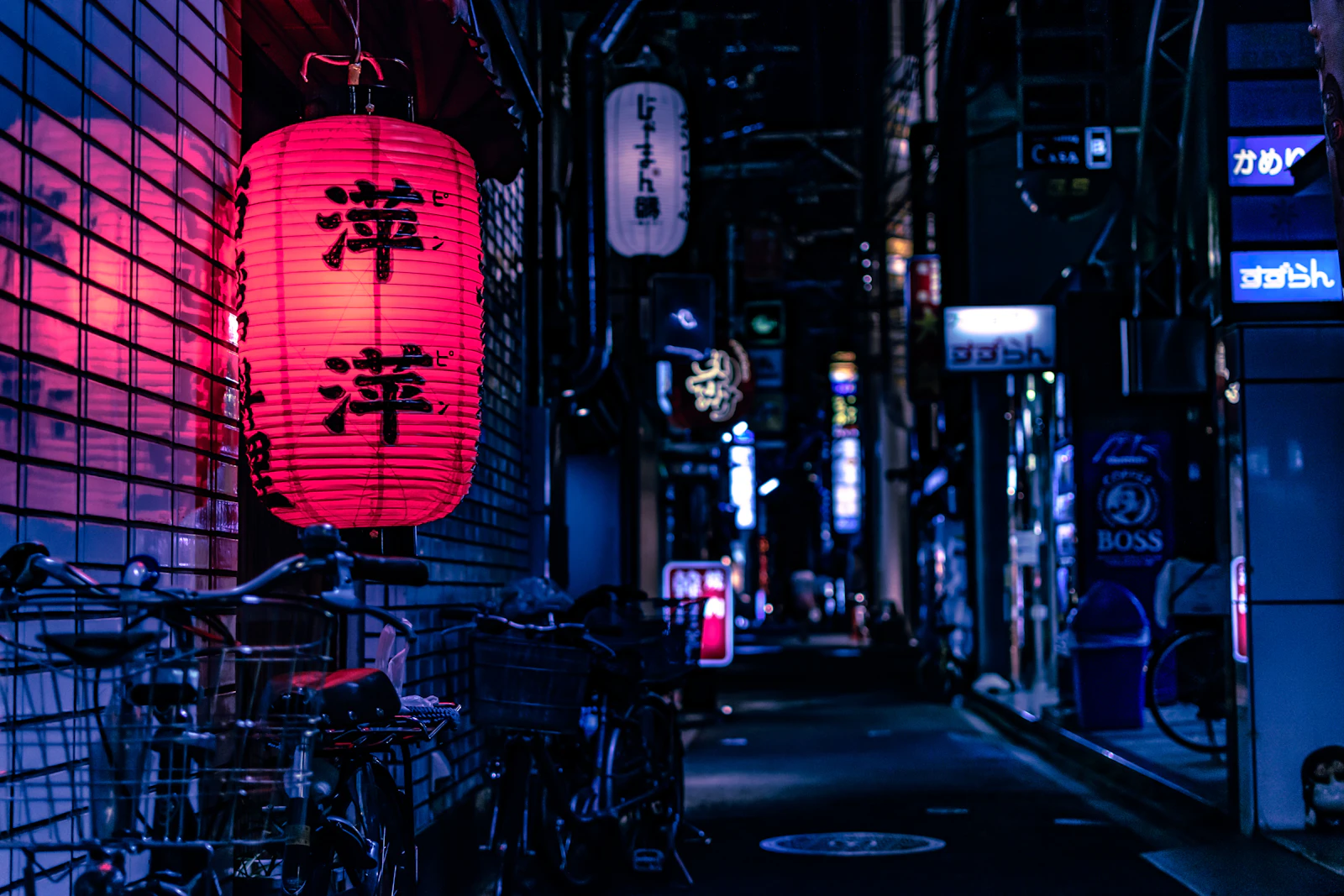
Kyoto Image Sources
Use clear, relevant photographs that accurately represent the attraction described in each section.
Official Kyoto Travel Resources
Use official sources to verify changing taxes, luggage information, responsible-tourism guidance, and current Kyoto tourism conditions.
2 Responses